A 19 — History & Analysis
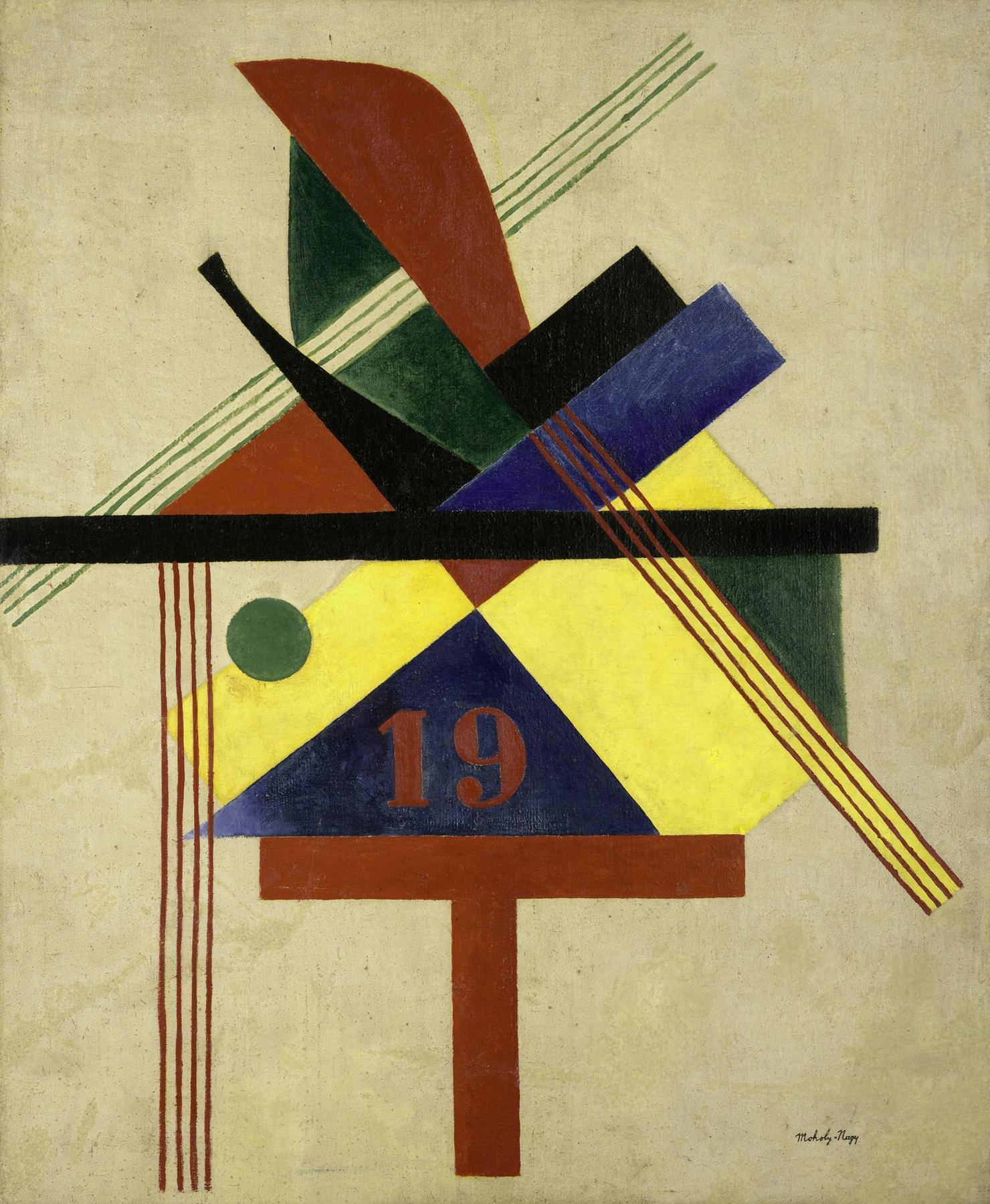
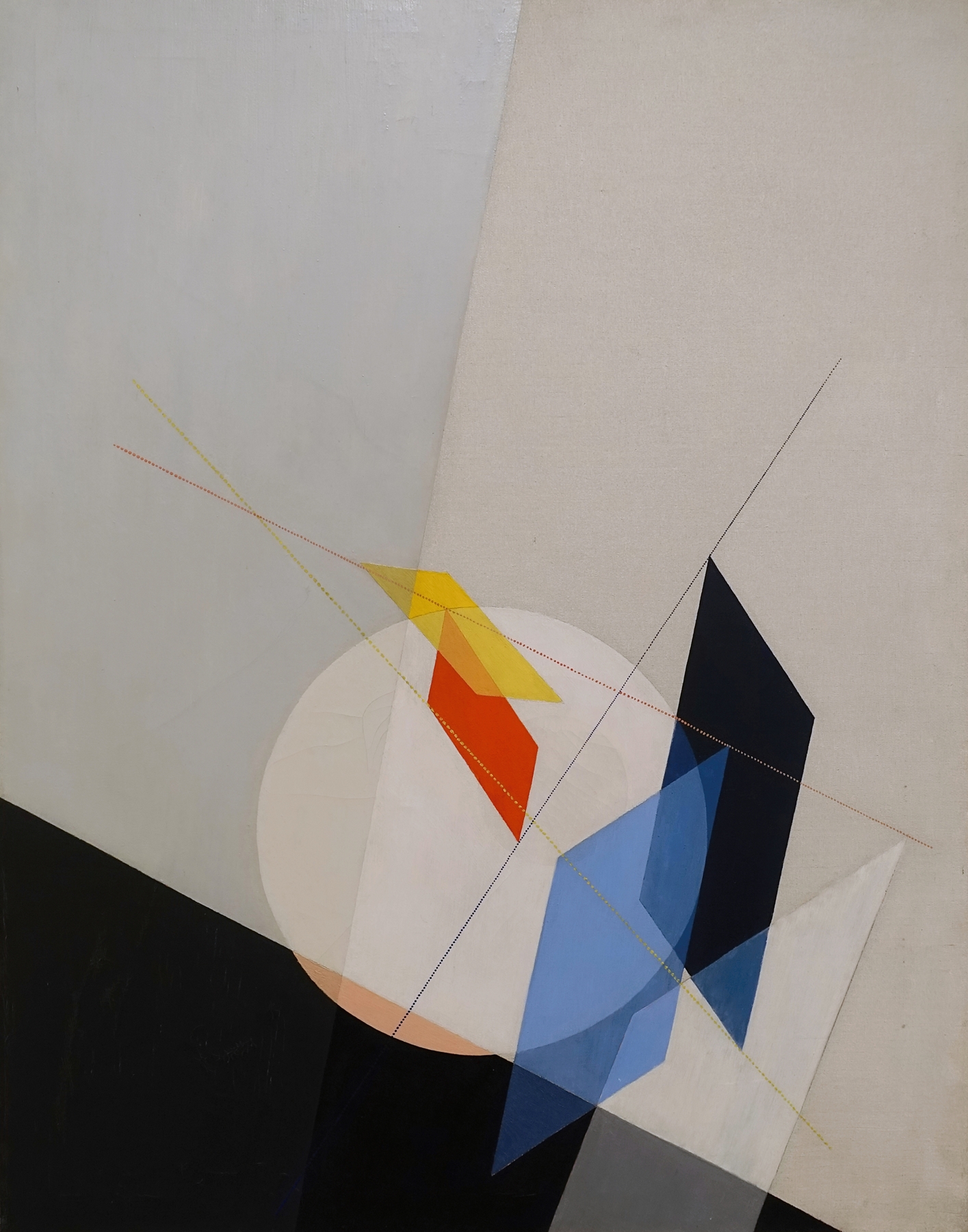
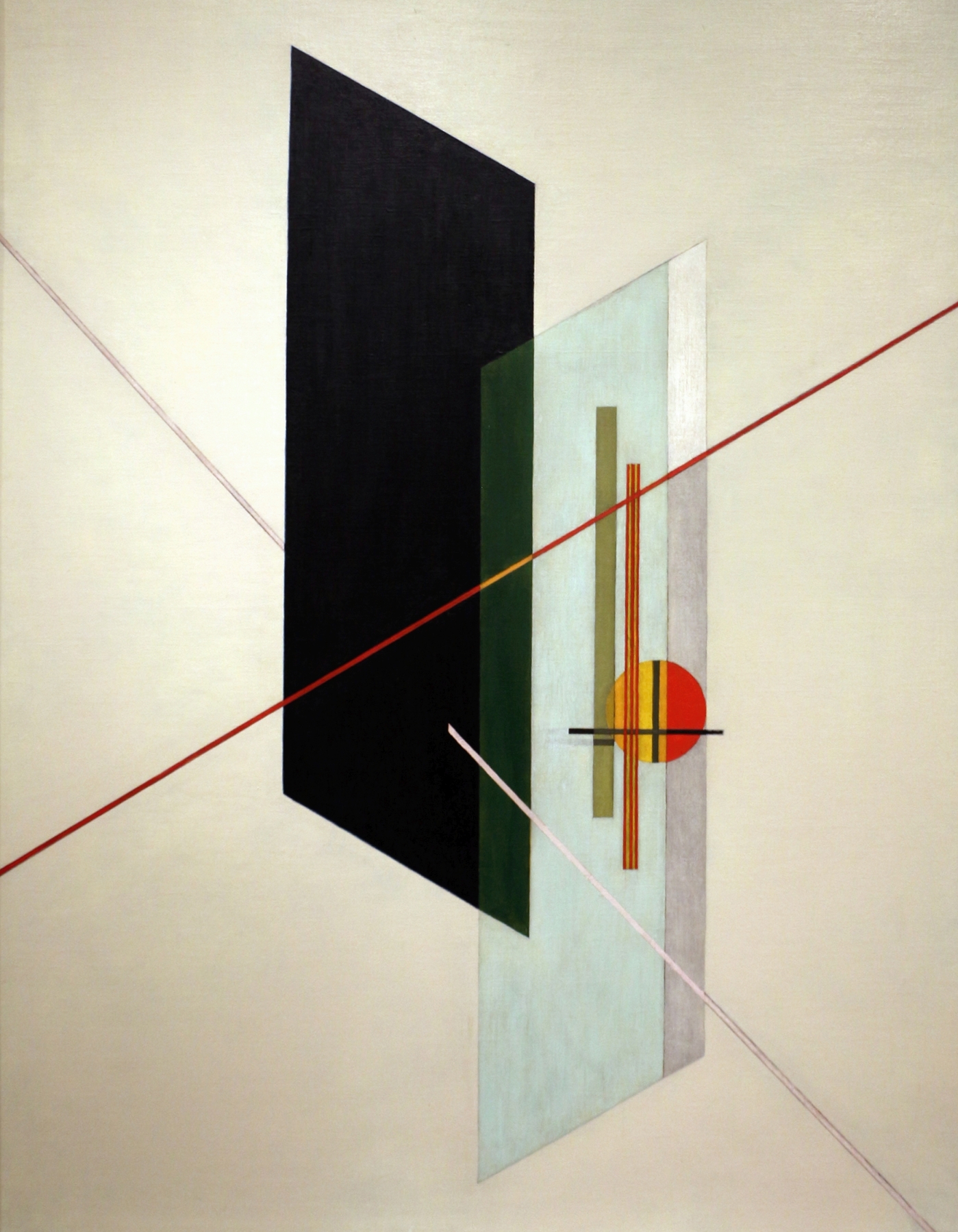
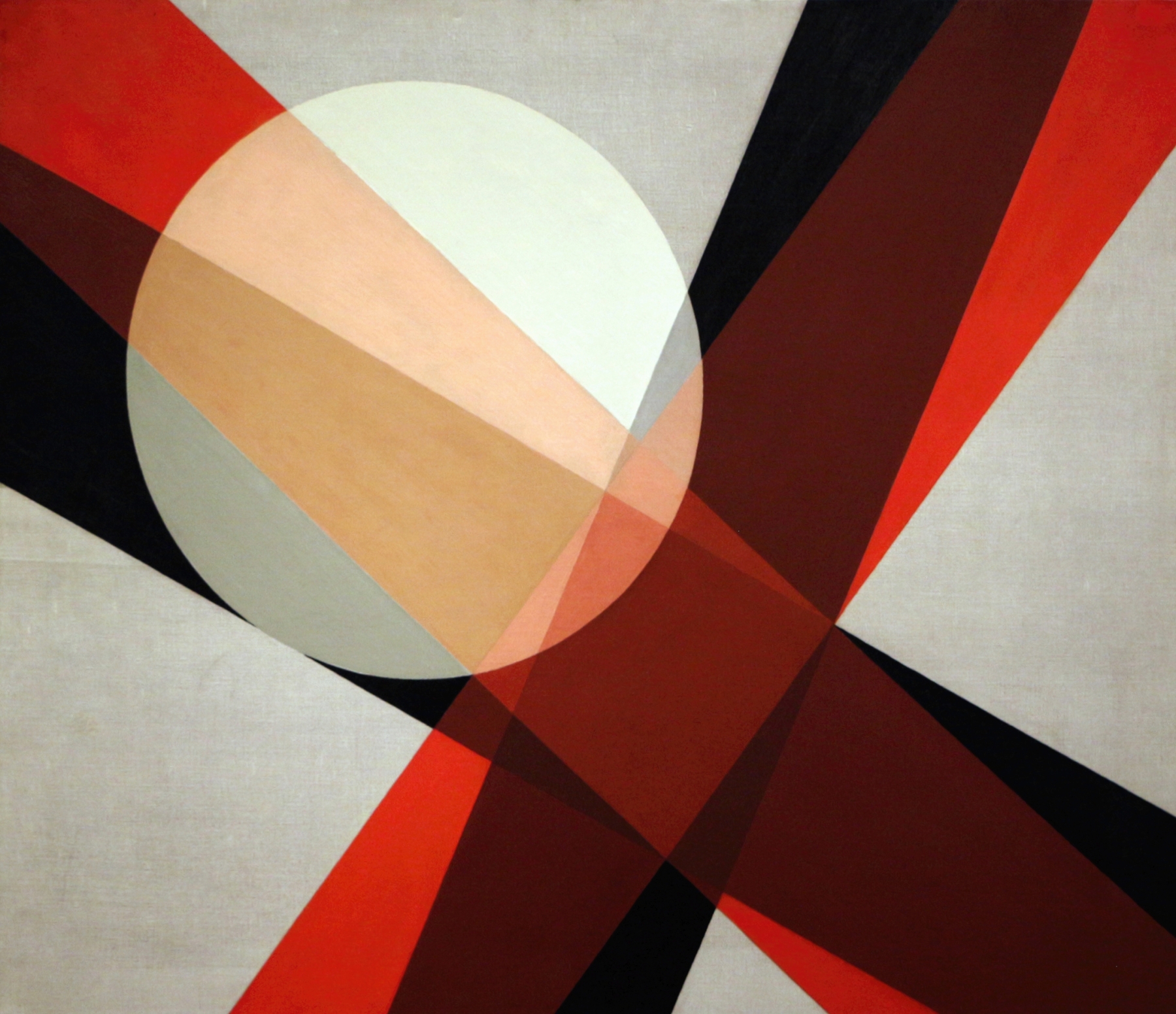
Could a single brushstroke hold eternity? In the hands of László Moholy-Nagy, this question comes alive, revealing the intricate dance between chance and destiny. Look to the center of the canvas, where a bold, sweeping line arcs gracefully across the surface, demanding your attention. The brushstroke, thick and dynamic, creates a sense of movement, while its stark contrast against the muted background immerses you in a world of exploration and innovation.
Notice how the varied textures and subtle layering of color play with light, inviting your gaze deeper into the interplay of form and space. As you delve further, consider the juxtaposition of chaos and order within this piece. The vivid energy of the brushstroke seems to propel you forward, yet the surrounding expanses of color offer a counterbalance, creating a sense of stillness amid movement. This duality invites contemplation on the relationship between the individual and the universe—how personal choices can weave into the larger tapestry of existence, as if each stroke carries the weight of countless destinies.
In 1927, while residing in Weimar, Moholy-Nagy painted this work during a time of significant transformation in the art world. The Bauhaus movement was in full swing, influencing both his practice and philosophy. Experimenting with new materials and techniques, the artist sought to break traditional boundaries and redefine the role of art in society, a pursuit that would resonate throughout his career and beyond.