A Peasant Woman Goes for Water — History & Analysis
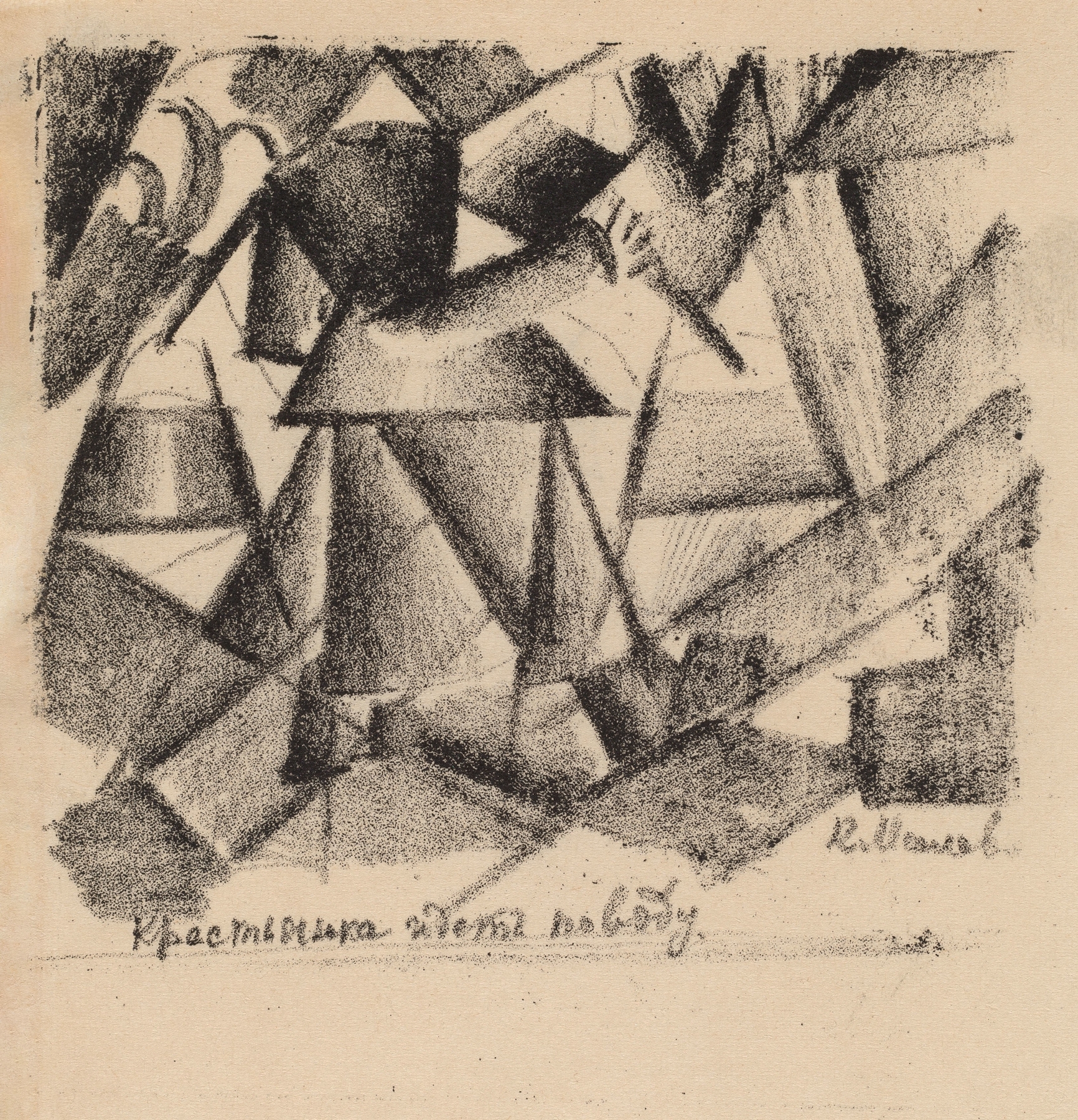
Did the painter know this moment would outlive them? In A Peasant Woman Goes for Water, fragility and resilience intertwine, capturing a fleeting glimpse of daily life amid the broader currents of history. Focus on the woman at the center, her figure slightly hunched under the weight of a heavy clay jug, which draws the eye immediately. Notice how the earthy browns and muted greens of the landscape contrast with her pale clothing, illuminating her presence against the backdrop.
The bold brushstrokes give a sense of movement, while the gentle light seems to caress her form, creating an intimacy that invites you to ponder her unspoken thoughts as she navigates the path to the well. Delving deeper, one can sense the emotional tension embedded in her posture—a blend of weariness and determination. The jug, both a burden and a necessity, symbolizes the cycle of labor that defines her existence. The sparse landscape enhances this dichotomy, suggesting both isolation and the community role she plays.
The simplicity of her task serves as a reminder of the fragility of daily life, yet her steadfastness evokes strength amid vulnerability. In 1913, amid the transformative atmosphere of pre-revolutionary Russia, Kazimir Malevich sought to capture the essence of the human condition. During this period of artistic exploration, he was influenced by the burgeoning avant-garde movement, striving to distill complex emotions into simple forms. The world was changing rapidly around him, and through this artwork, he created a lasting testament to the spirit of the ordinary in a time of uncertainty.