Abstract Composition — History & Analysis
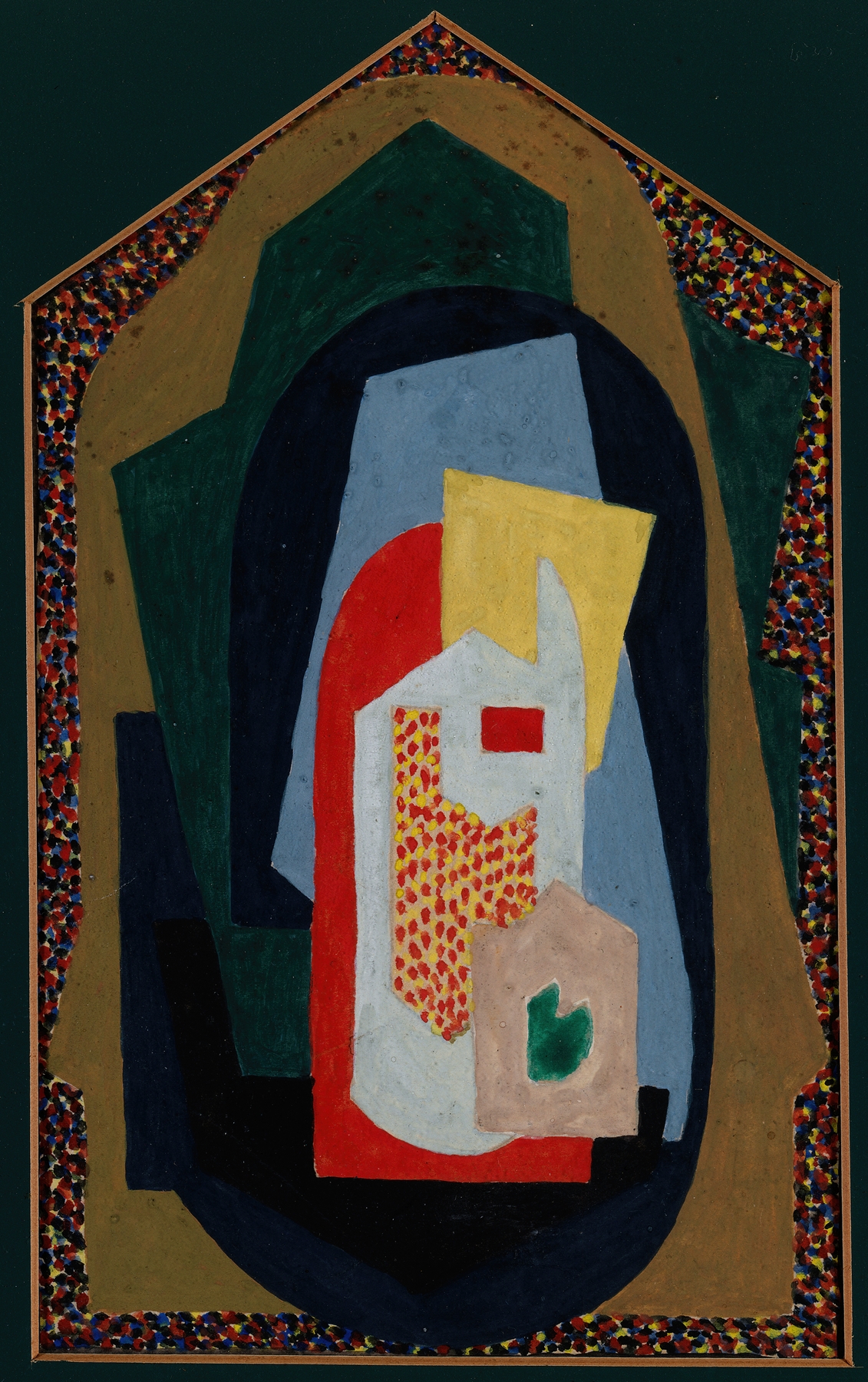
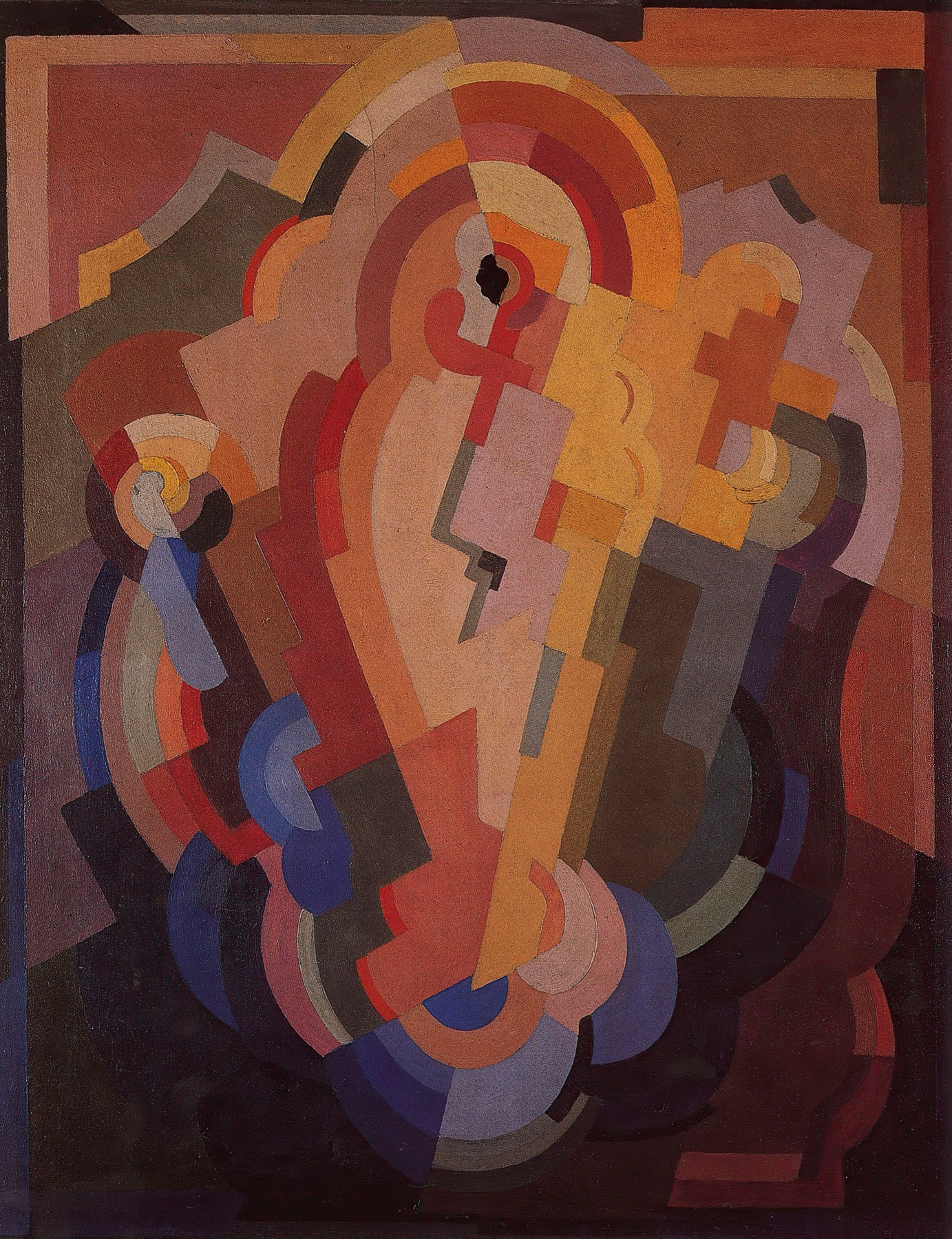
Is this a mirror — or a memory? In Abstract Composition, vibrant forms collide in a dance of color and shape, inviting the viewer into a space that teeters between reality and abstraction, pushing the boundaries of perception and understanding. Look to the right at the bold strokes of red and blue that seem to fuse as they approach the canvas's edge, a clash of emotions captured in a moment, while the softer hues of yellow and green swirl in the background, creating a gentle contrast. The use of geometric shapes, juxtaposed against organic curves, draws the eye, pulling you deeper into the piece.
Each element feels deliberate, yet spontaneous, reflecting a harmonious chaos that resonates with the viewer's inner turmoil. The tension lies in the balance of colors and forms, with sharp angles suggesting conflict while rounded shapes offer a soothing presence. This duality mirrors the artist's exploration of both personal and societal themes, capturing the struggle between rigid structure and fluid emotion. As one contemplates the interplay of these elements, a revelation emerges: the artwork is a reflection of the complexity of human experience, demanding both intellectual engagement and emotional response.
Mainie Jellett created Abstract Composition in 1935 during a pivotal time in her career, as she became a prominent figure in the Irish avant-garde movement. Living in Dublin, she was influenced by European modernism and the burgeoning abstraction that challenged traditional representation. This period marked her quest for a new visual language, intertwining her personal experiences with broader artistic currents, contributing to the evolution of modern art in Ireland.