Amaryllis lutea (Les Liliacées) — History & Facts
A yellow, crocus-like flower and a bud rise from a round bulb with a papery coat and a tuft of white roots, framed by long, arching, strap-shaped leaves. Two small outline drawings sit beside the plant: the opened flower at left and its slender pistil at right. Engraved lettering below reads Amaryllis Lutea and Amarillis Jaune. Pierre-Joseph Redouté painted the plant at natural size for Les Liliacées, published in Paris in eight volumes from 1802 to 1816, where it is plate 148.
The plate is signed P. J. Redouté as painter and de Gouy as engraver, and this impression is a stipple and line engraving finished with hand coloring.
Redouté's text notes that the plant resembles a colchicum or a saffron crocus in its habit and the shape of its flower. The text says it flowers at the start of autumn, which earned it the French name narcisse d'automne, autumn narcissus, and that it grows wild in somewhat damp meadows of Spain and Italy. Botanists now call it Sternbergia lutea. It is in the Cleveland Museum of Art in Cleveland.
More Artworks by Pierre-Joseph Redouté
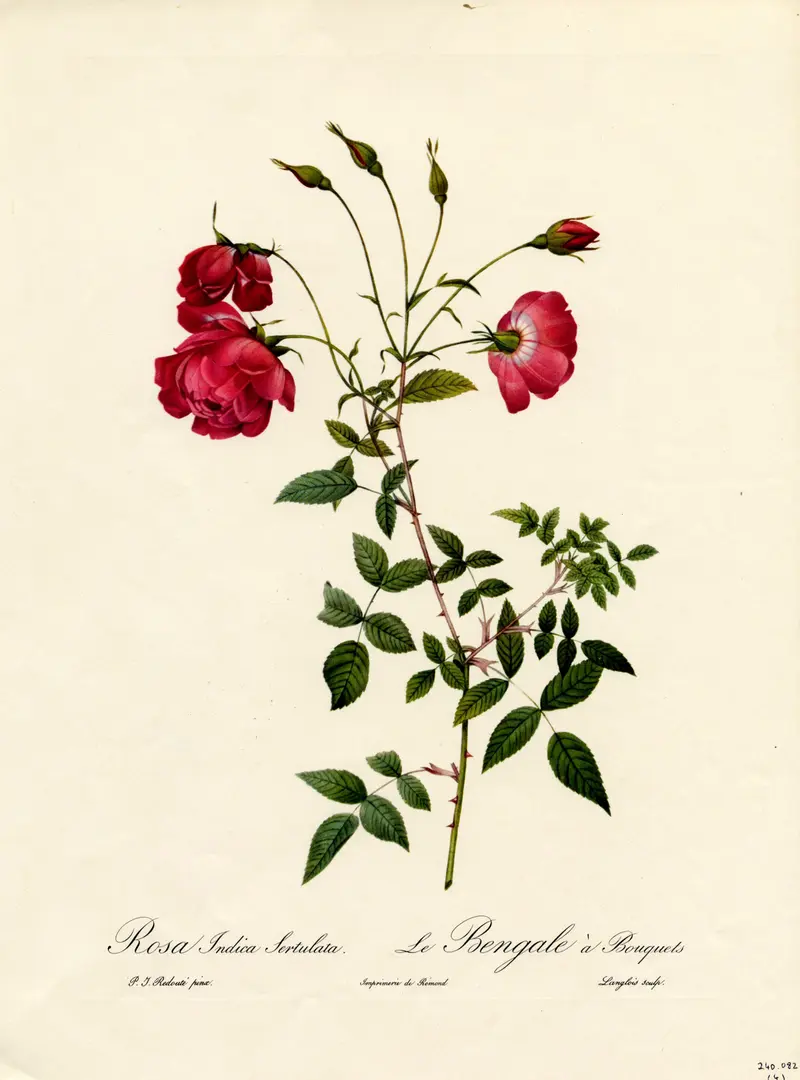
Rosa Indica Sertulata (Bengal Rose)
Pierre-Joseph Redouté

Rosa Centifolia Foliacea
Pierre-Joseph Redouté
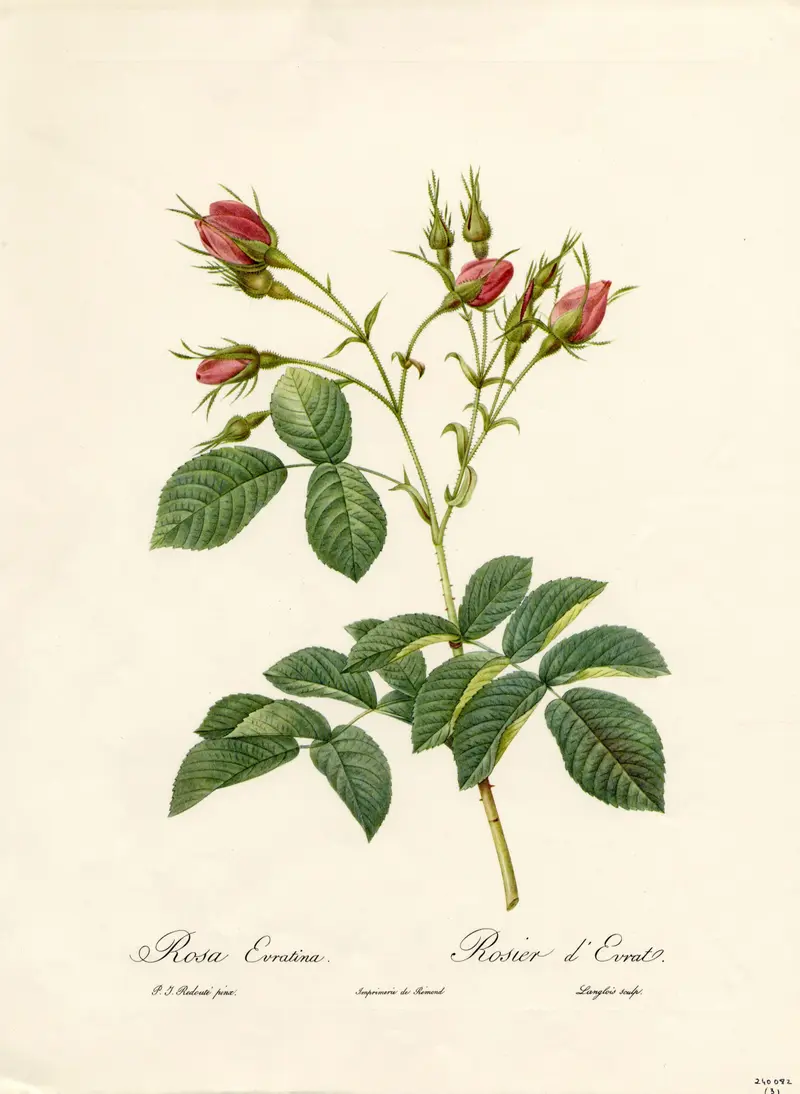
Rosa Evratina (Evrat's Rose)
Pierre-Joseph Redouté
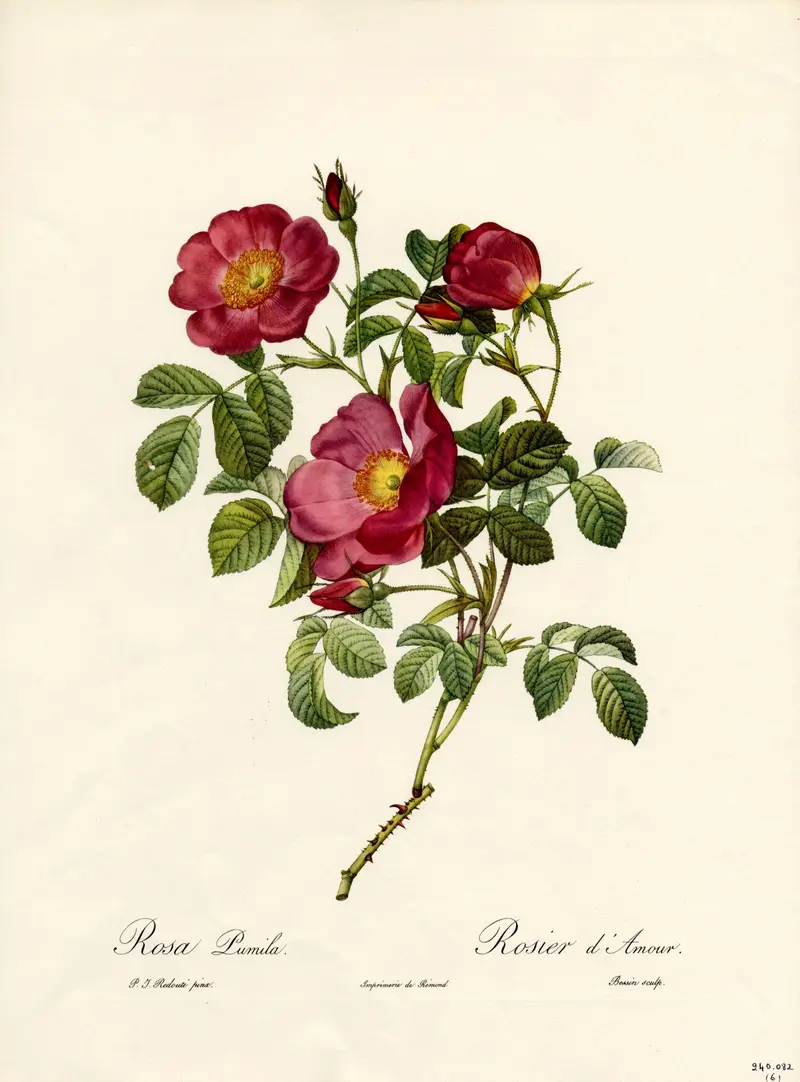
Rosa Pumila (Love Rose)
Pierre-Joseph Redouté
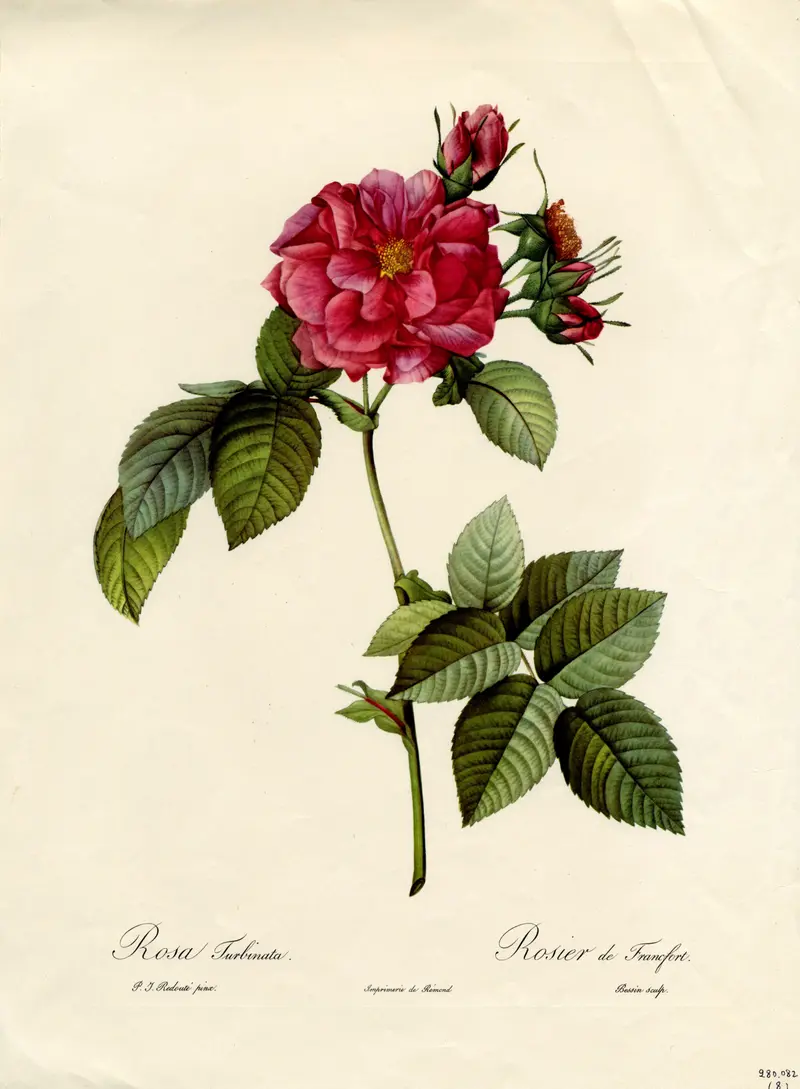
Rosa Turbinata (Frankfurt Rose)
Pierre-Joseph Redouté

Rosa Multiflora Carnea
Pierre-Joseph Redouté

Rosa Damascena Aurora
Pierre-Joseph Redouté
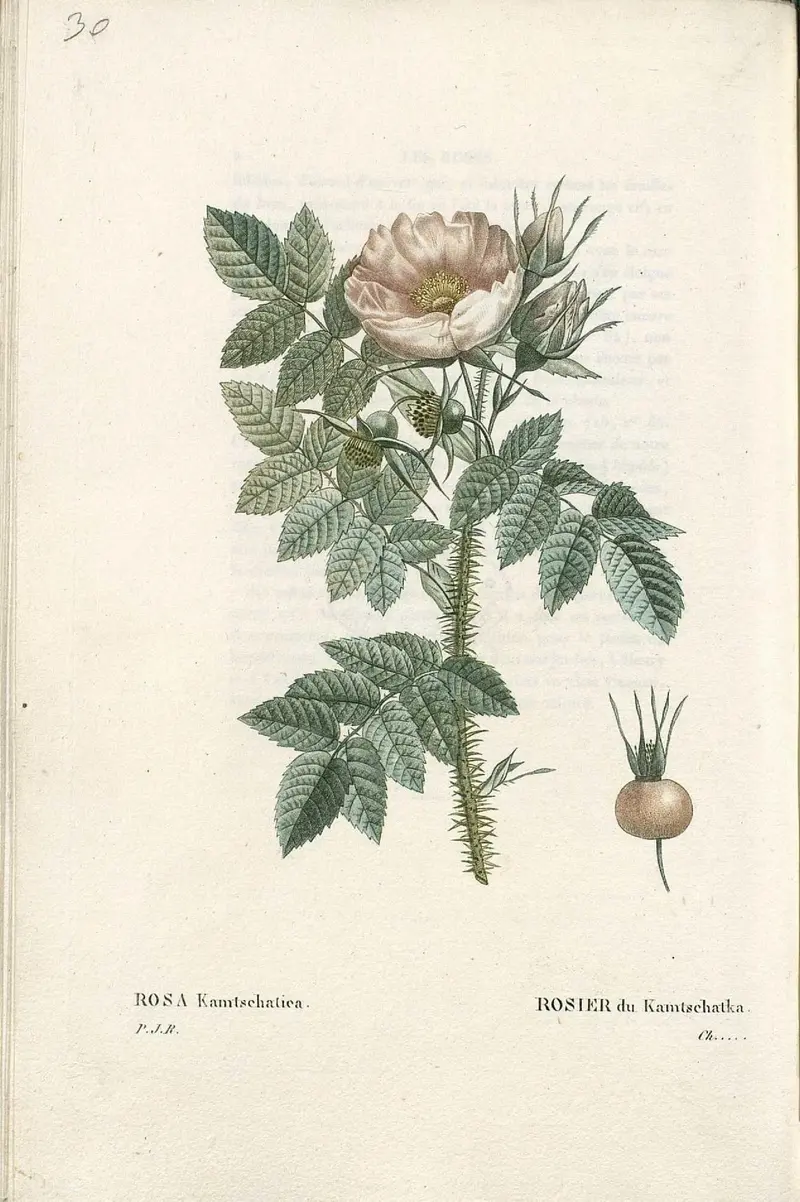
Rosa Kamtchatica (Kamchatka Rose)
Pierre-Joseph Redouté
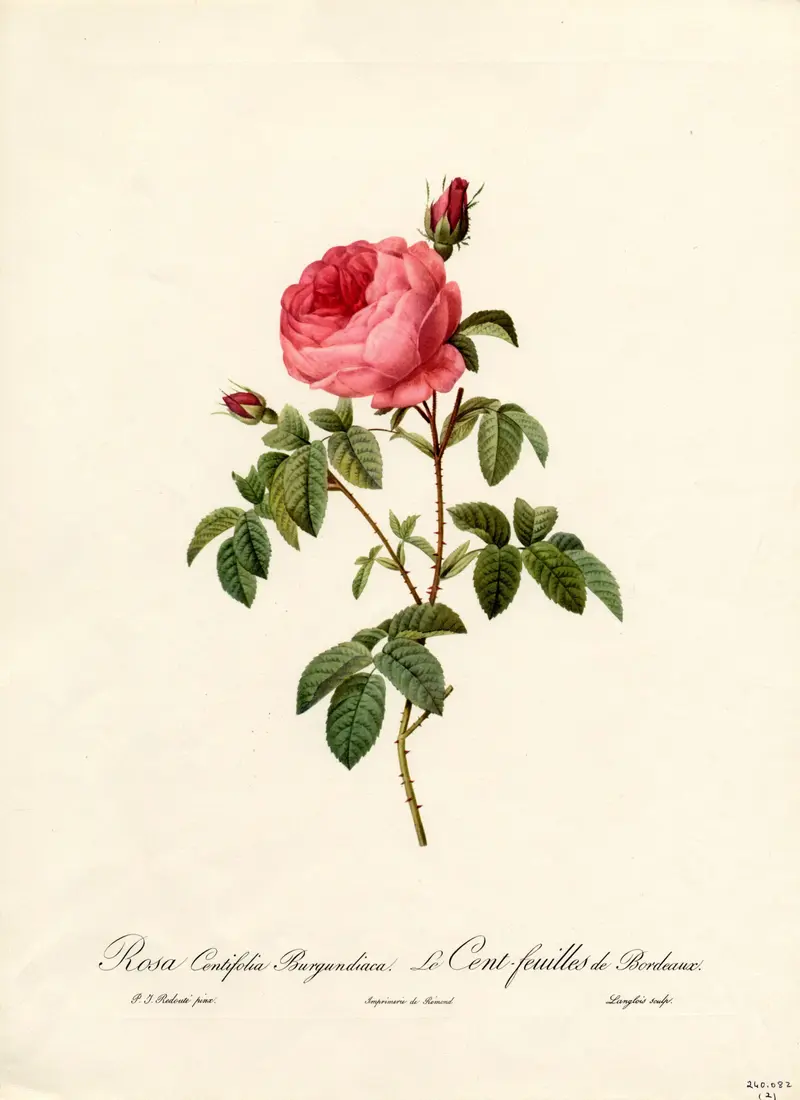
Rosa Centifolia Burgundiaca (Burgundy Rose)
Pierre-Joseph Redouté
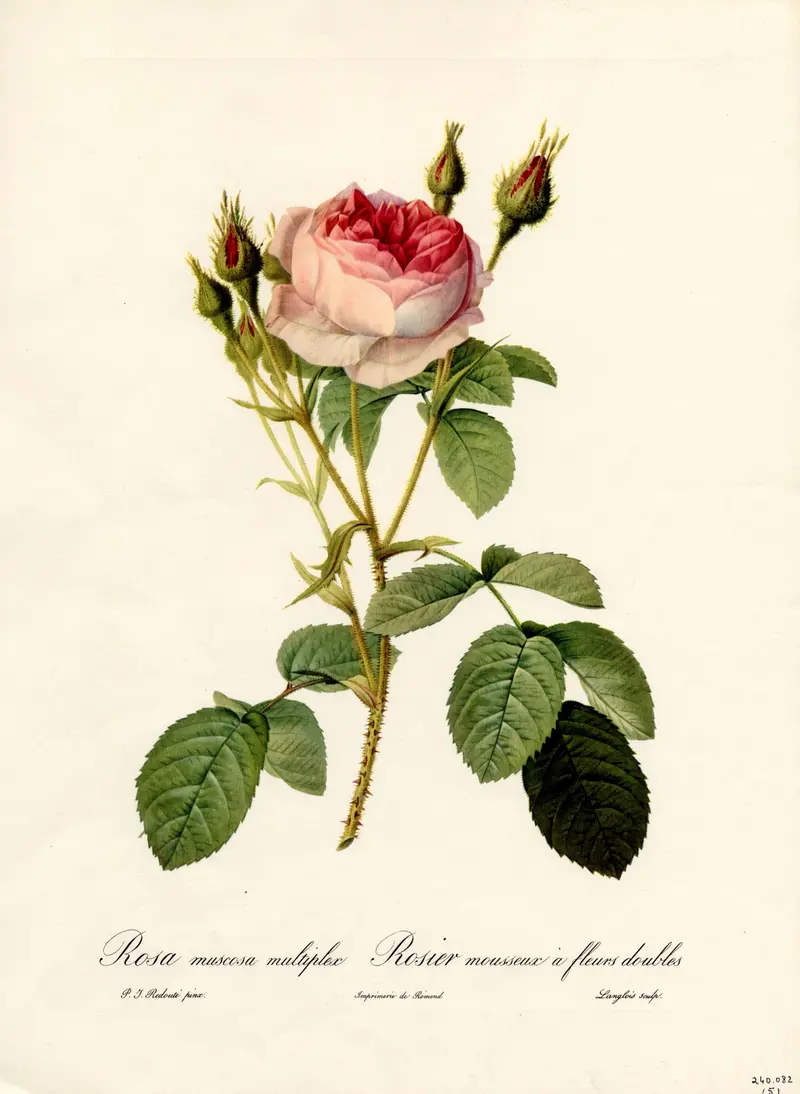
Rosa Muscosa Multiplex (Double Moss Rose)
Pierre-Joseph Redouté