Architectural Capriccio With Ancient Ruins, A Sphinx And Figures By A Fountain — History & Analysis
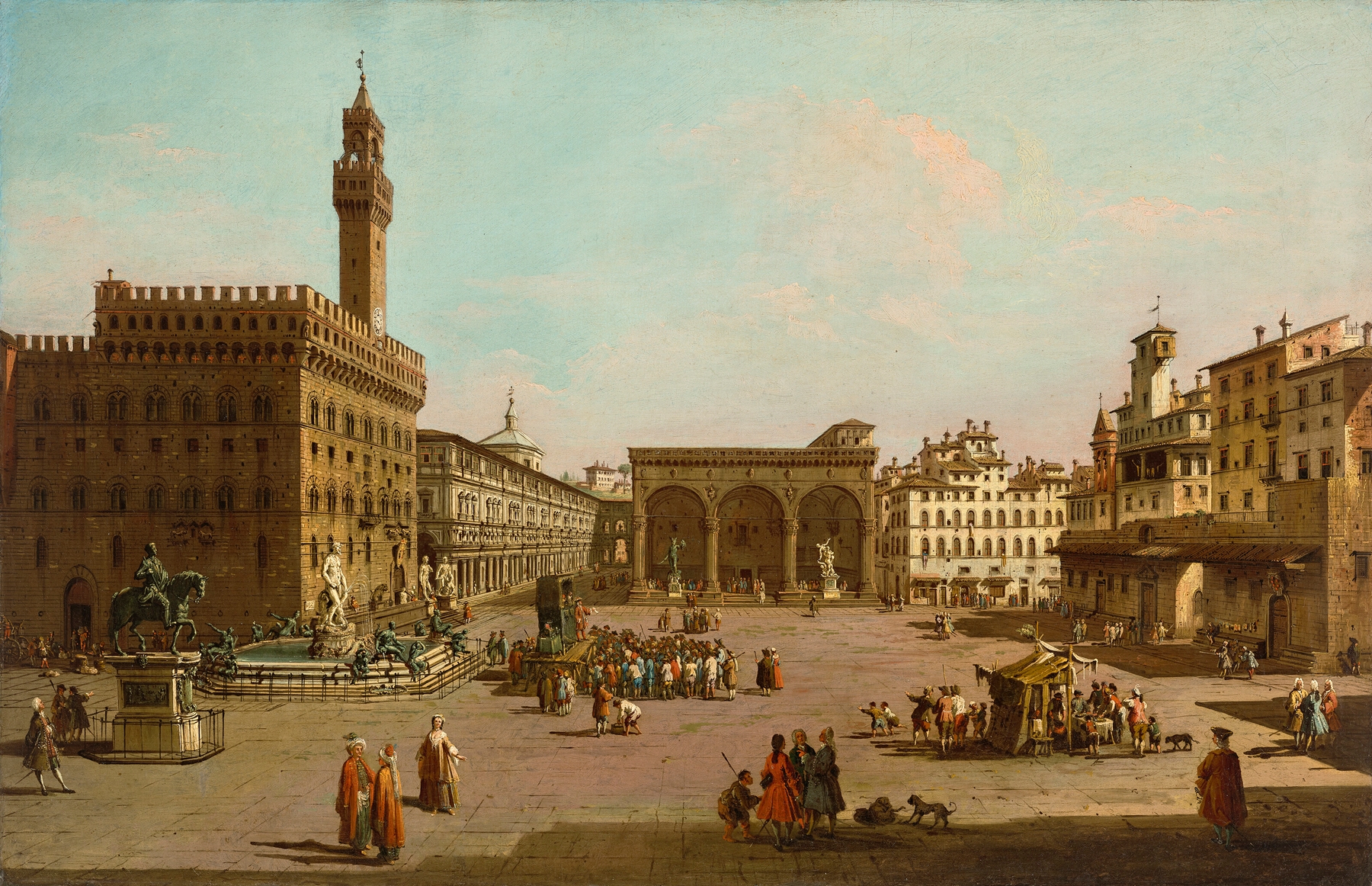
Who listens when art speaks of silence? In Giuseppe Zocchi's Architectural Capriccio With Ancient Ruins, A Sphinx And Figures By A Fountain, the weight of stillness invites contemplation and invites the viewer to uncover layers of illusion. Look closely at the intricate interplay of architecture and nature. The grandeur of the ancient ruins looms in the background, while a majestic sphinx watches over a serene fountain. Notice how Zocchi employs a warm palette, with soft golden hues illuminating the scene, creating an ethereal quality that blurs the line between reality and fantasy.
The careful placement of figures enhances the sense of scale, guiding the eye towards the delicate details of the fountain as water dances in the sunlight. Within this idyllic landscape, contrasting themes emerge. The juxtaposition of the crumbling ruins and the vibrant vitality of the flowing water suggests the passage of time. Figures in leisurely poses embody a moment of quiet reflection, yet their presence hints at the fragility of existence.
The illusion of permanence crumbles with the ancient stones, while the fountain’s perpetual flow symbolizes the relentless movement of life. Zocchi created this work during the mid-18th century, a time when the Italian artist found inspiration in the Romantic fascination with antiquity. Living in Florence amidst a thriving artistic community, he was influenced by both the Baroque and Rococo styles that dominated the era. This painting reflects his ability to merge history with imagination, offering viewers an escape into a dreamlike realm where past and present intertwine.