Blossoming Plum Tree — History & Analysis
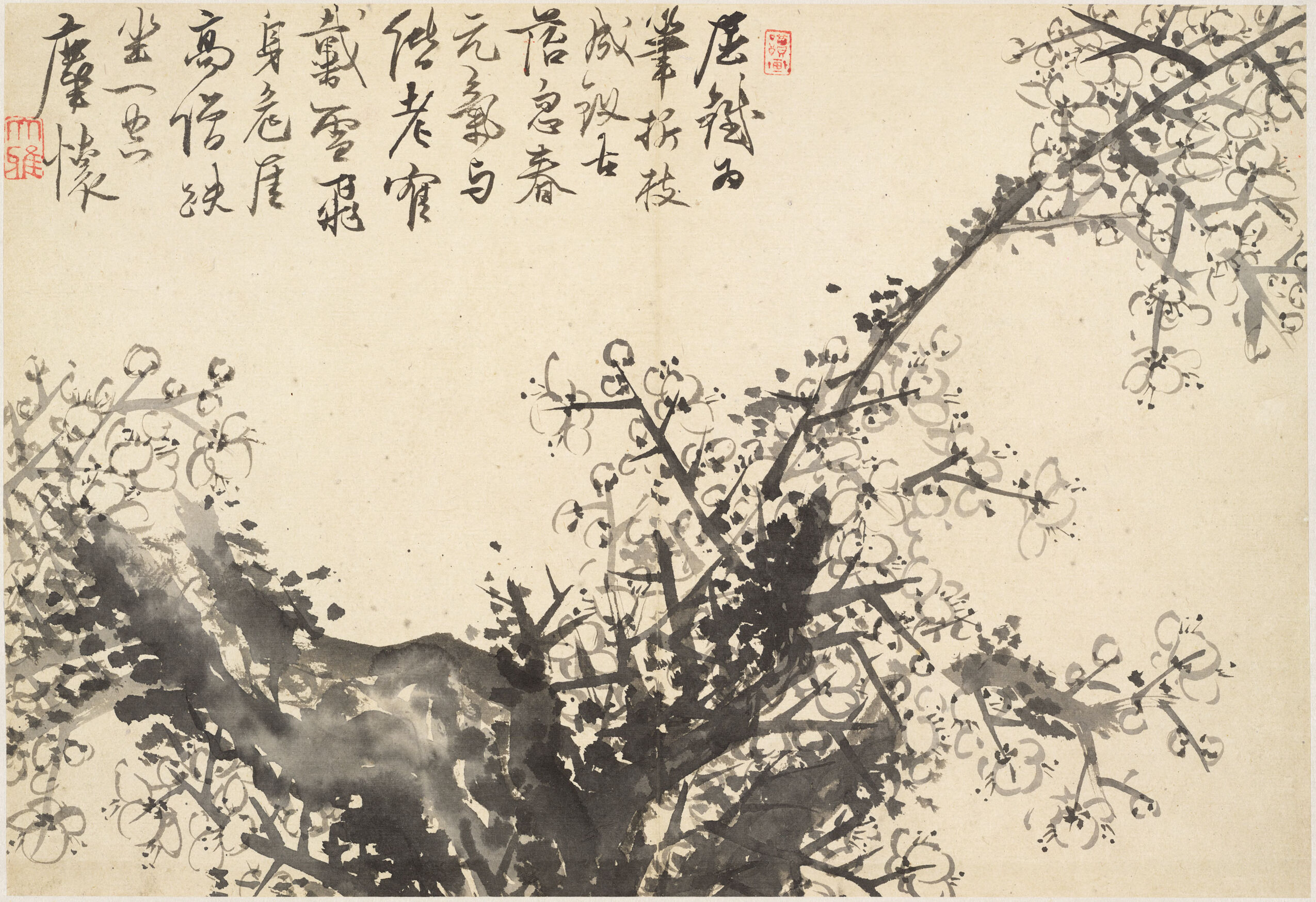
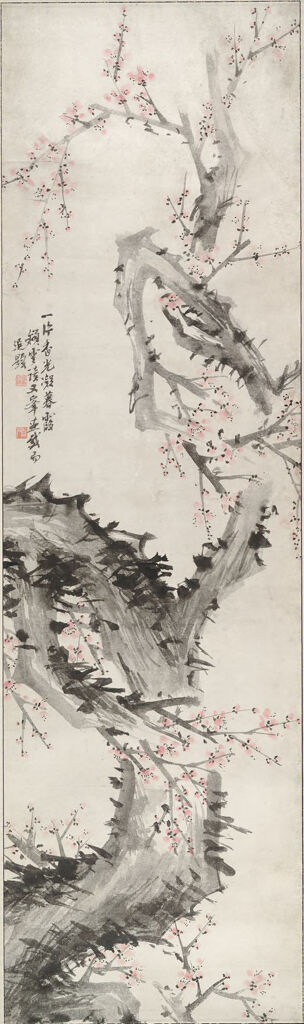
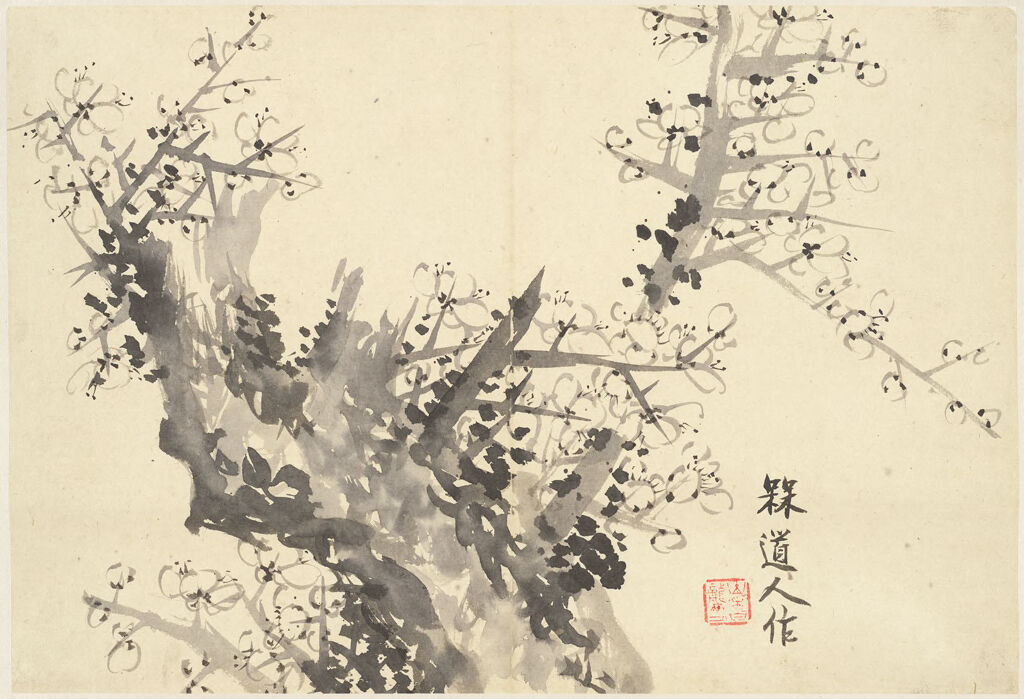
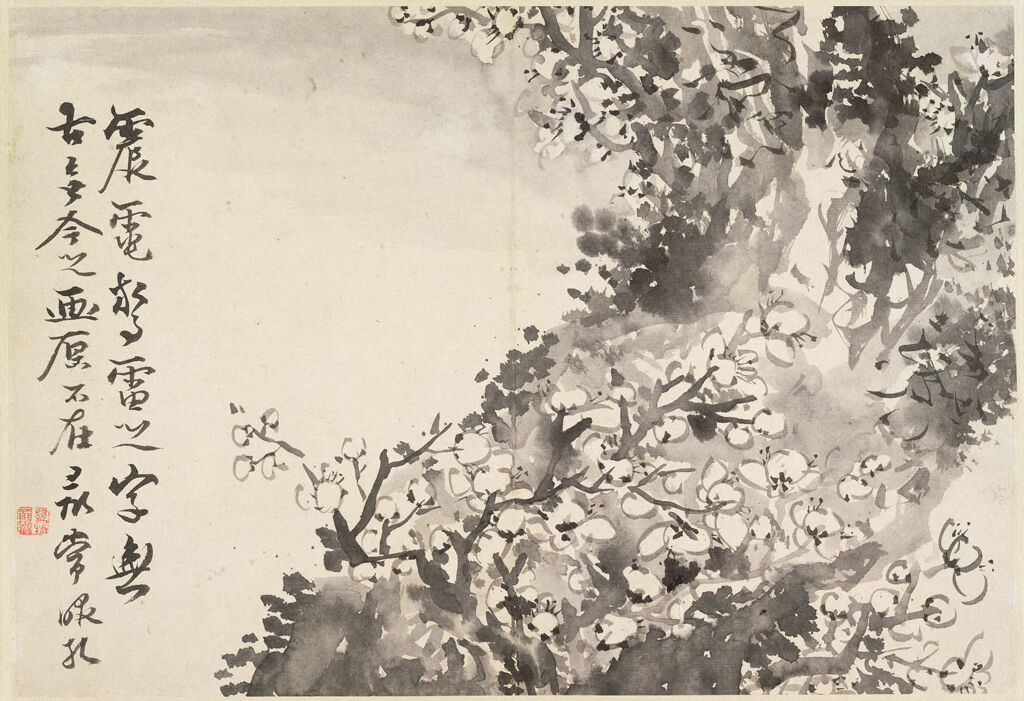
“Between color and silence, truth hides.” In the ephemeral beauty of a blooming plum tree, one finds an echo of life's fleeting nature, a reminder of mortality woven through each delicate petal. Look to the center of the canvas, where the blossoming branches stretch out in a graceful arc, vivid pinks and whites bursting against a soft, muted background. The artist employs bold brushstrokes that depict the flowers with both precision and spontaneity, capturing their vibrancy while allowing a sense of movement to flow through the composition. Notice how the light dances gently across the scene, illuminating the blossoms and casting gentle shadows, evoking a feeling of warmth and tranquility.
Yet, beneath the surface beauty lies a poignant contrast. The fleeting nature of the blooms speaks not just to the joy of spring, but to the inevitability of decay that follows. Each flower, radiant in its moment, also serves as a metaphor for life itself—a celebration shadowed by the awareness of its transience. The subtle interplay of vibrant and muted tones further amplifies this tension, suggesting that beauty and sorrow exist in an inseparable bond.
In the mid-19th century, Cho Hŭi-ryong painted this piece during a time of cultural transition in Korea, marked by the encroachment of Western influences and a search for identity. This period was rife with both instability and the resurgence of traditional values, impacting the artist's exploration of nature and its deeper meanings. Through Blossoming Plum Tree, he captured a moment of profound reflection on beauty, life, and its inevitable end, resonating deeply within the artistic dialogues of his time.