Bokkenkop — History & Analysis
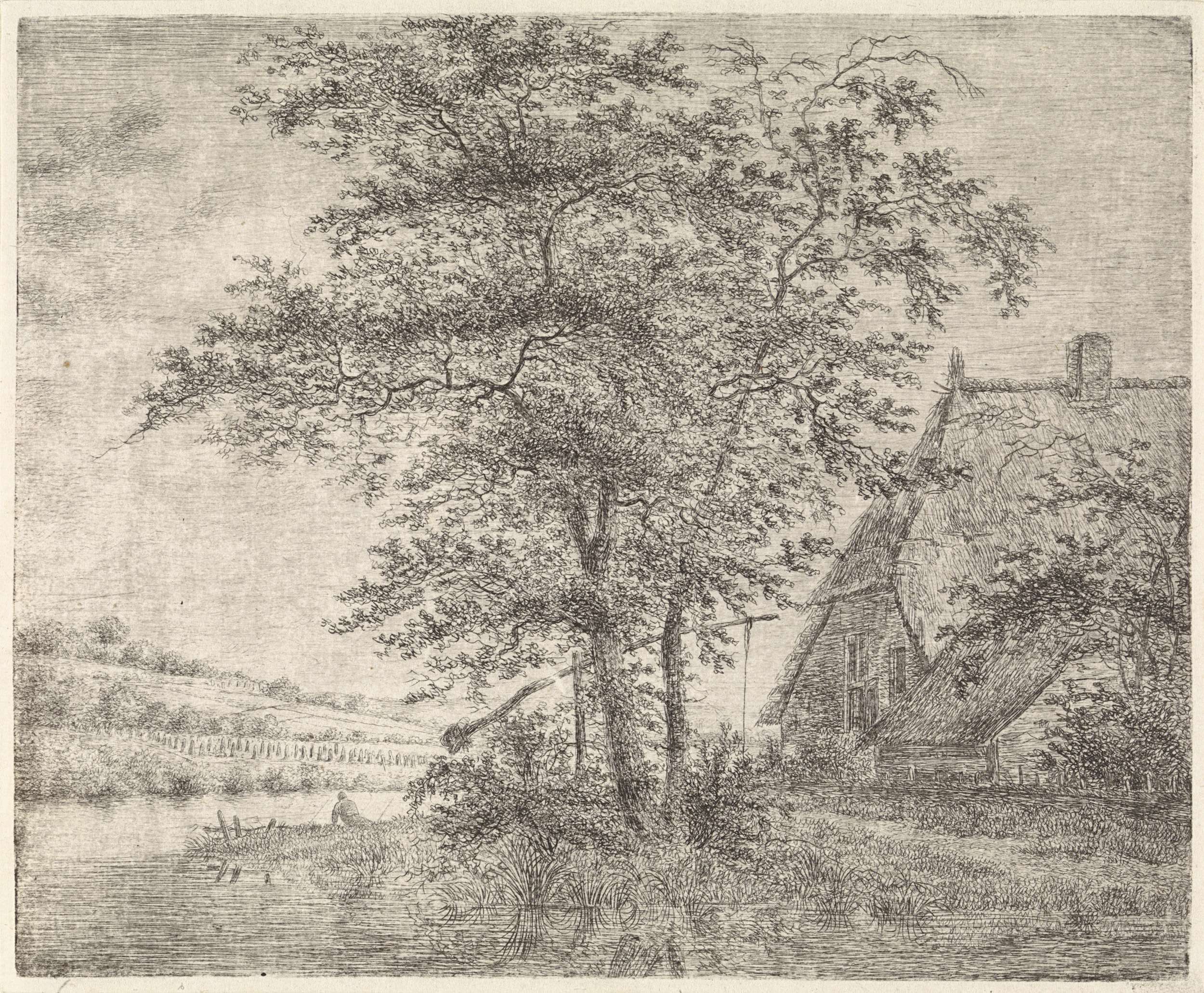
Could a single brushstroke hold eternity? In Bokkenkop, the viewer finds themselves at the crossroads of madness and serenity, where chaos lurks beneath a veil of calm beauty. Look to the center of the canvas, where the lush landscape unfolds, bathed in a golden hue. The rolling hills and vibrant foliage are meticulously crafted, each stroke revealing the artist’s meticulous attention to detail. Notice how the shadows elongate and dance across the ground, suggesting a fleeting moment caught between reality and imagination.
The delicate blending of colors evokes an almost palpable warmth, inviting the viewer to lose themselves in this enchanting world. Yet, as you study the serene scene, a sense of disquiet begins to emerge. The vibrant greens and blues, though visually stunning, teeter on the edge of overwhelming exuberance, hinting at an underlying instability. This striking contrast between beauty and the tumult of the natural world can be interpreted as a reflection of the complexities of the human psyche.
The swirling clouds above seem to whisper secrets of the artist’s inner turmoil, suggesting that madness is not merely an absence of sanity, but a vibrant chaos that can coexist with the extraordinary. Pieter Janson created Bokkenkop in the mid-19th century while living in a rapidly changing Europe. The age was marked by industrialization and social upheaval, fostering a tension between tradition and progress. Janson, immersed in this transformative period, was influenced by Romanticism, focusing on the emotional depth of landscapes, suggesting that nature could mirror the complexities of human experience amidst the chaos surrounding him.