Carter’s Tavern at the Head of Lake George — History & Analysis
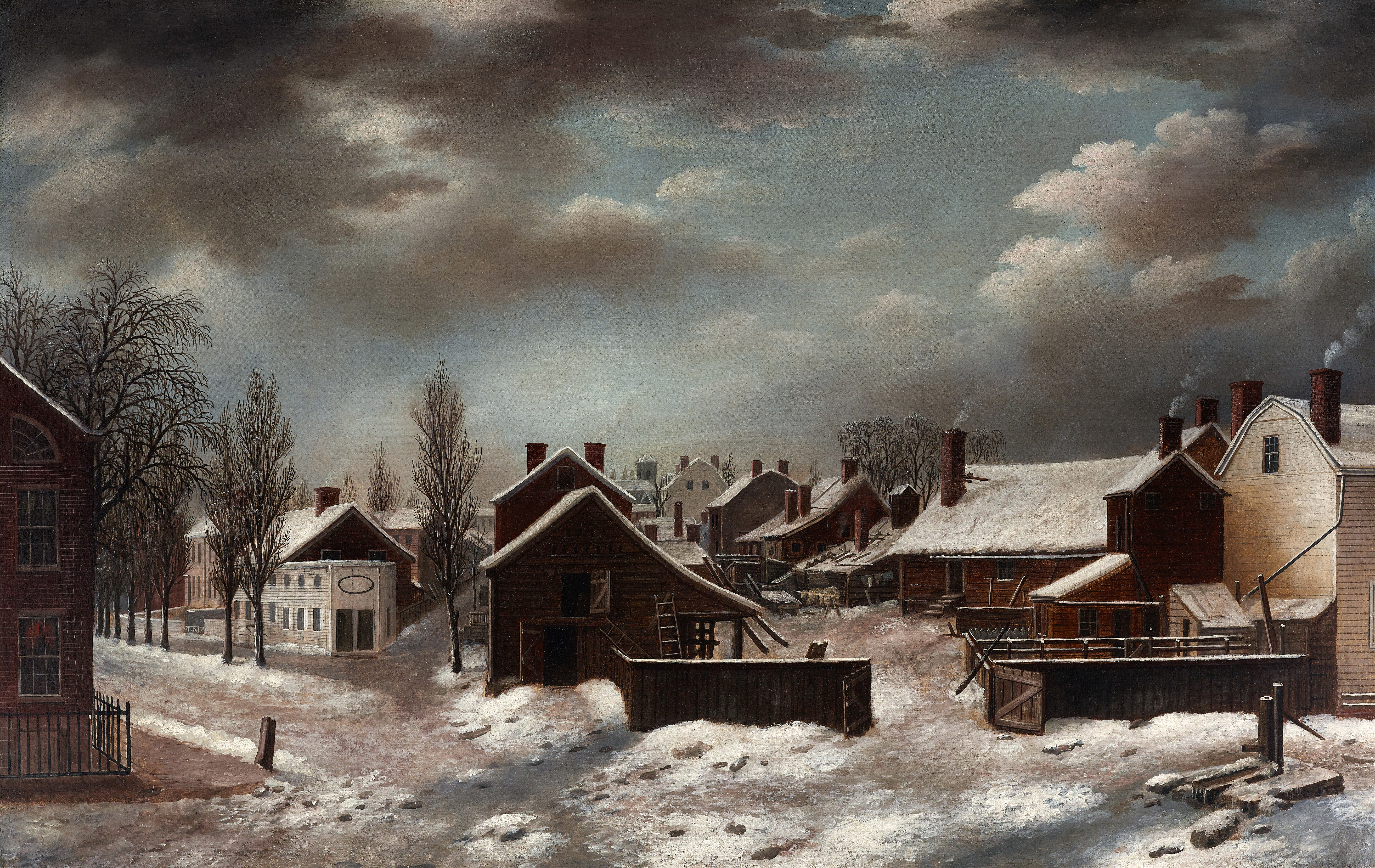
“Every brushstroke is a heartbeat remembered.” In the gentle embrace of nostalgia, we find ourselves drawn into a world where the past lingers, whispering tales of what once was. Look closely at the rustic architecture of the tavern, its weathered facade bathed in soft, golden light. The wooden beams, steeped in history, cradle the vibrant hues of green and blue that define the surrounding landscape. Notice how the artist captures the shimmering surface of Lake George, reflecting the serenity of the sky above.
Each stroke of the brush elevates the mundane into something almost sacred, inviting us to feel the warmth of life within this tranquil setting. Beneath the idyllic surface lies a profound sense of yearning. The tavern stands as a symbol of connection—between travelers and the promise of shelter, between nature and humanity. The way the clouds drift lazily above hints at time's passage, evoking a bittersweet longing for moments lost.
The juxtaposition of the lively colors against the stillness of the lake creates a tension that speaks to both comfort and solitude, reminding us of the intricate balance between presence and absence. Creating this piece between 1817 and 1818, the artist was deeply immersed in the early American landscape movement. At this time, he sought to capture the spirit of the burgeoning American identity, reflecting a nation grappling with its past while forging a new path forward. As the landscape transformed, so did the relationship between nature and man, a theme that would resonate through much of his work.