Composition VI — History & Facts
Colors collide and wash across a canvas three meters wide. Dark blue-black masses, laced with thin black lines that fan out in several directions, crowd the upper half, while soft ivory, pink and pale blue patches open up below. Curving shapes sweep from side to side, and nothing in the picture can be named as an object. According to the Hermitage, the starting point was a picture on glass called The Flood, which Wassily Kandinsky wanted to rethink.
Writing in May 1913, he said he had carried the idea for a year and a half and often feared he would not achieve it, until "in two or three days the picture as a whole was there." He warned against reading the painting as a picture of the Flood: the original theme, he wrote, is dissolved into something pure and independent, and the destruction in it is also a song of praise, like a hymn to new life. The Hermitage says the content of the canvas is an inner sense of catastrophe, expressed in abstract form. The painting entered the Hermitage in 1948 from the State Museum of New Western Art in Moscow. In 2016 the Tretyakov Gallery showed it beside Composition VII.
It is in the Hermitage Museum in St. Petersburg.
More Artworks by Wassily Kandinsky

Improvisation 35
Wassily Kandinsky
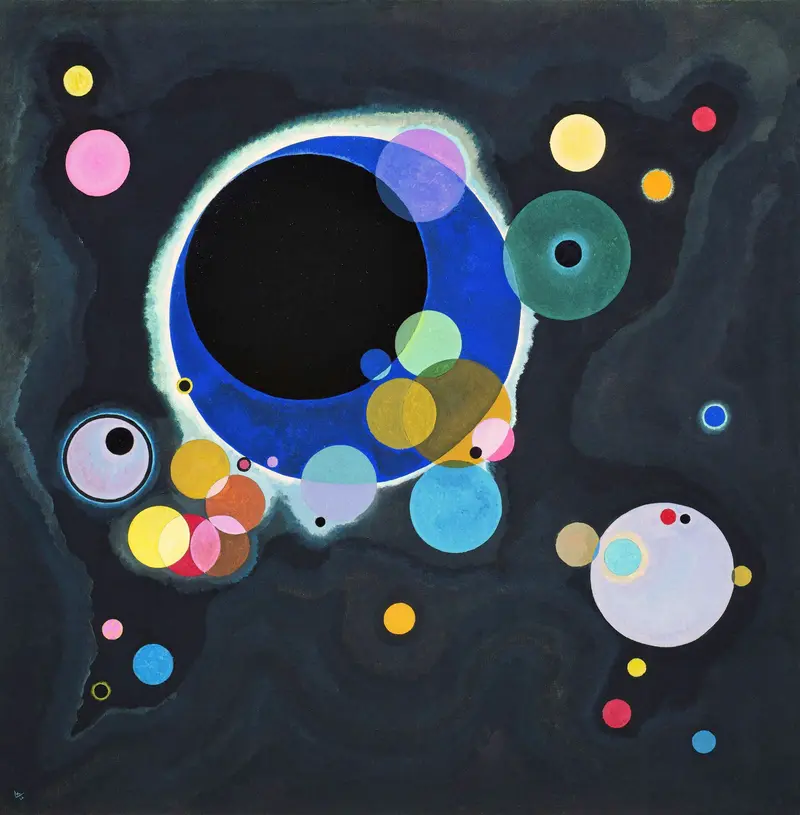
Several Circles
Wassily Kandinsky
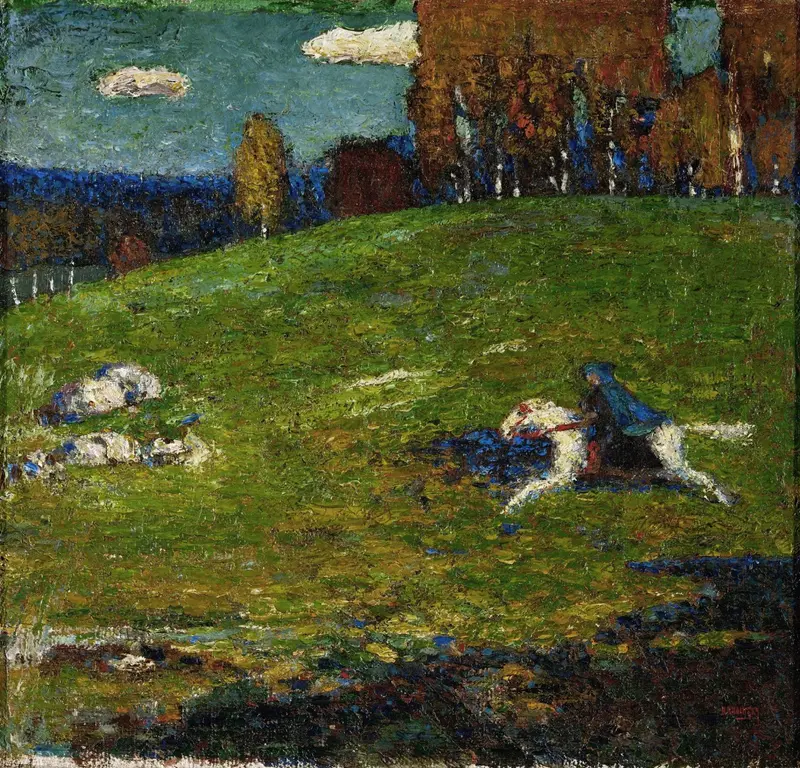
The Blue Rider
Wassily Kandinsky

Murnau
Wassily Kandinsky
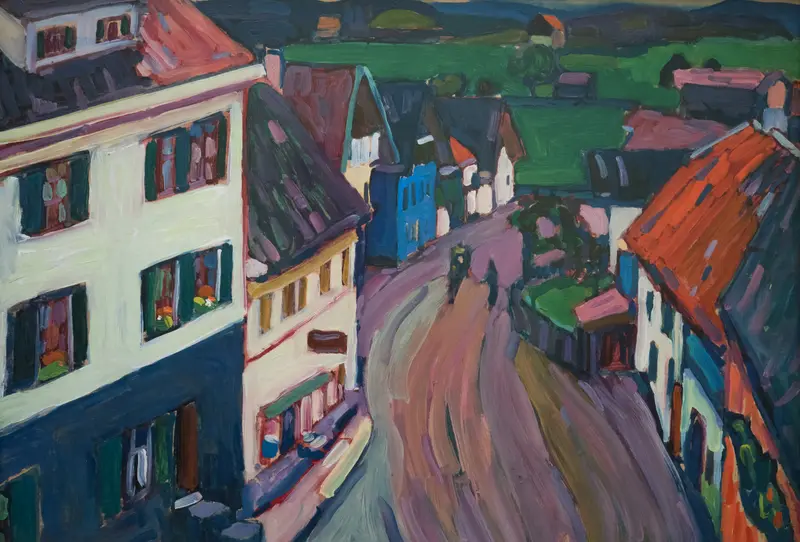
Murnau – View from the window of the Griesbräu
Wassily Kandinsky
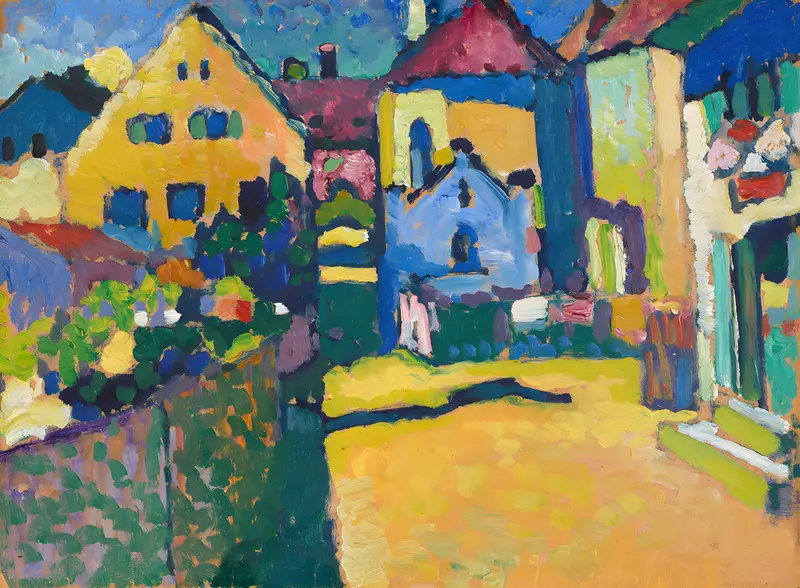
Green Lane in Murnau
Wassily Kandinsky
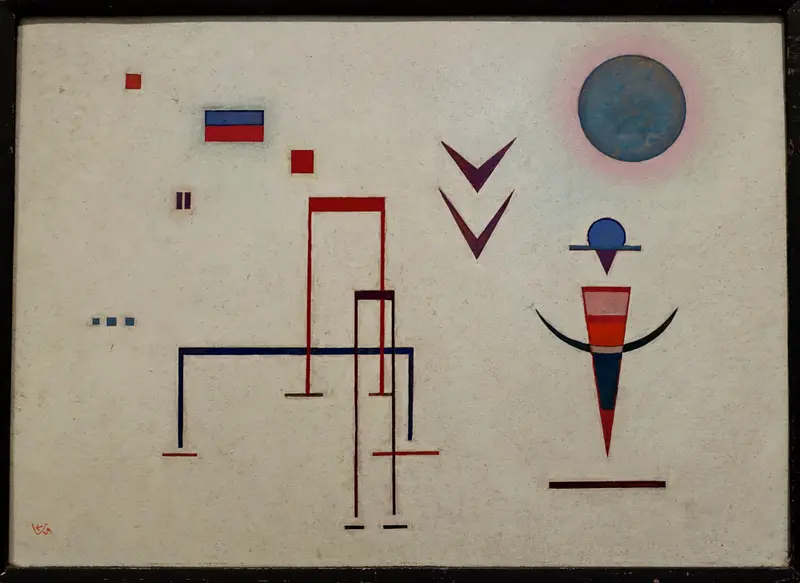
Jocular Sounds
Wassily Kandinsky

Zubovsky Platz
Wassily Kandinsky

Landscape with a yellow field
Wassily Kandinsky
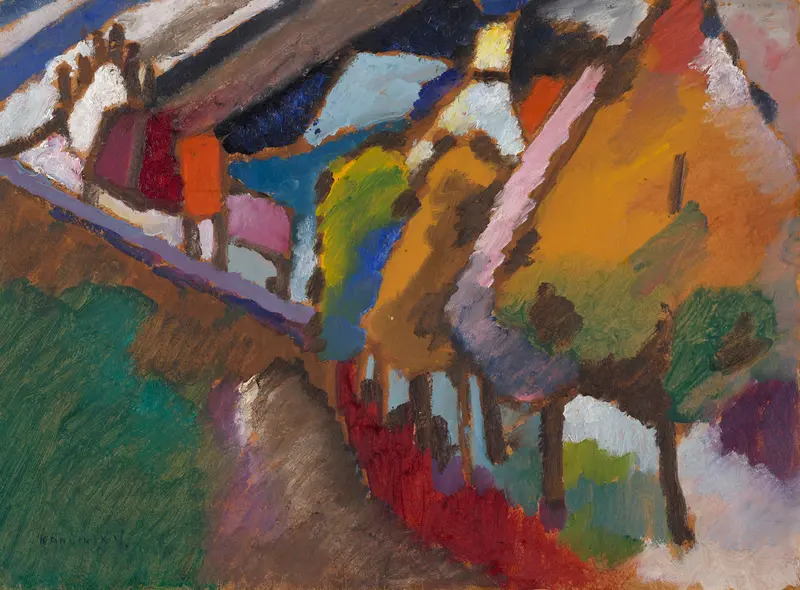
Murnau – Castle and Church
Wassily Kandinsky