Diana and Actaeon — History & Analysis
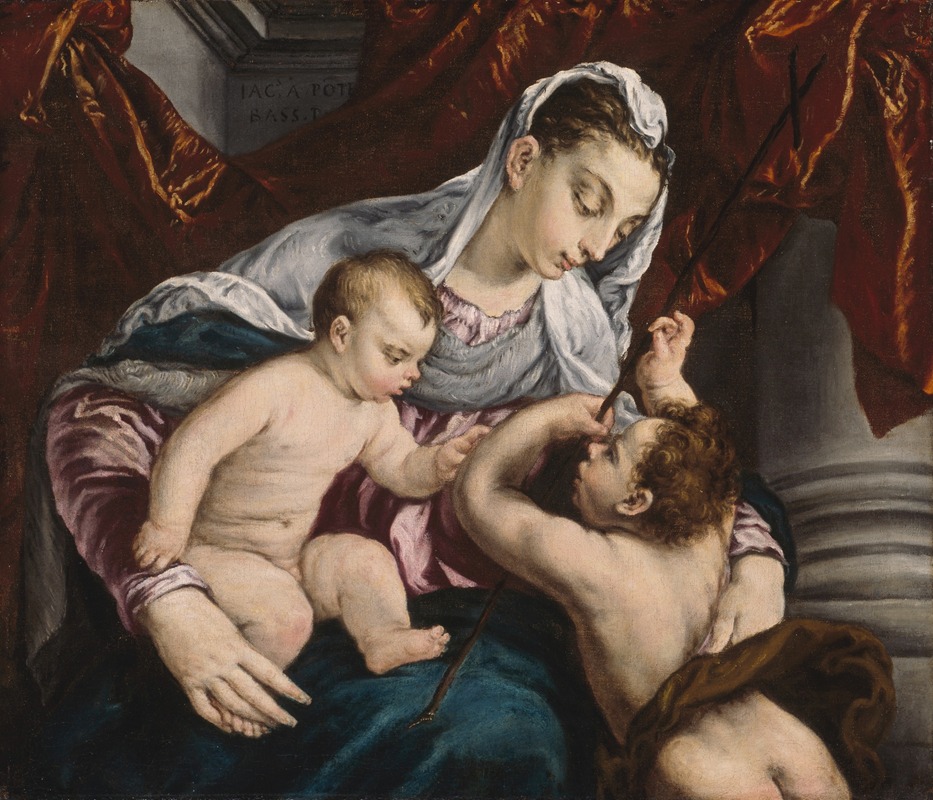
“Every silence here is a confession.” In the quiet of this moment, the air hangs thick with unspoken emotions, teetering on the precipice of awakening. The figures before you encapsulate vulnerability and desire, set against an ethereal backdrop that invites both reverence and trepidation. Focus on the central figure, Diana, her stance poised yet commanding, the soft play of light accentuating her ethereal beauty. Her gaze, fierce yet contemplative, draws you in; she is both the guardian and the hunted.
Notice how the hues of the forest blend seamlessly with her form, symbolizing the tension between nature and humanity, between instinct and restraint, as warm earth tones meet cool shadows at the canvas's edges. Hidden within this moment are complex emotional layers—the juxtaposition of innocence and transgression, the moment before discovery that speaks to the inevitability of fate. The delicate balance of light and dark not only delineates physical space but hints at deeper moral questions. The figures’ expressions reveal a spectrum of feelings, from longing to regret, inviting viewers to reflect on their own moments of awakening.
During the late 16th century, the artist created this work in Venice, a city grappling with the evolution of Renaissance ideals. It was a time marked by a blend of classical mythology and contemporary concerns. Bassano, influenced by the rich artistic traditions of his time, sought to convey complex narratives through his subjects, capturing the human experience in all its poignant intricacies.