Don Quixote in His Library — History & Facts
A gaunt man with a pointed beard sits upright in a high armchair, reading a book held in one hand and brandishing a sword in the other. Around him swarm the figures of his imagination: knights on horseback, a dragon, ladies, dwarfs and a giant's head at left, while books lie on the floor and mice scurry at his feet. The engraver's name, H.
Pisan, is at lower right. Gustave Doré drew it as the frontispiece of Cervantes's Don Quixote in Louis Viardot's French translation, published by Hachette in Paris in 1863, and Héliodore Pisan cut it as a wood engraving. It shows the novel's first chapter, in which the gentleman of La Mancha reads so much and sleeps so little that his brain dries up and he comes to believe the enchantments and battles in his books are true. To prepare, Doré toured Spain in 1862, then began the drawings that September at Baden-Baden with Pisan; the Cleveland Museum of Art praises how Pisan turned his pen-and-wash grays into black-and-white wood. The plates were reused for Cassell's English edition, which the Morgan Library says helped popularize the tale among British and American readers; our scan is from a 1906 printing.
The book was first published by Hachette in Paris in 1863.
More Artworks by Gustave Doré
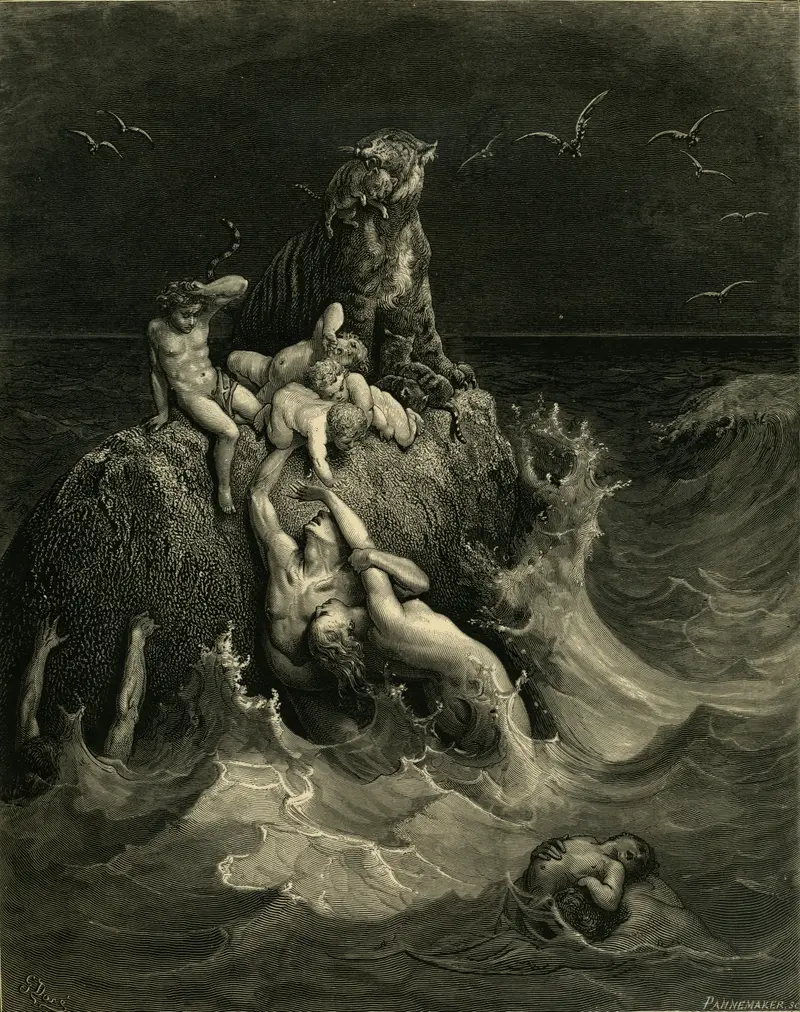
The Deluge
Gustave Doré
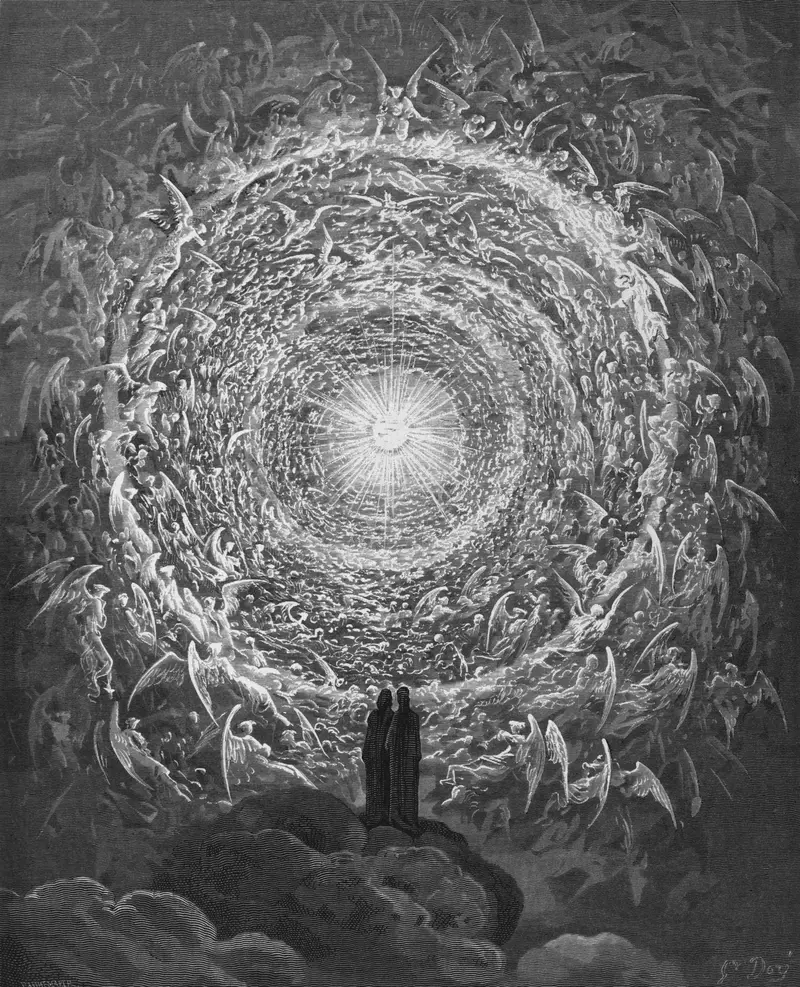
The Empyrean (Paradiso, Canto 31)
Gustave Doré
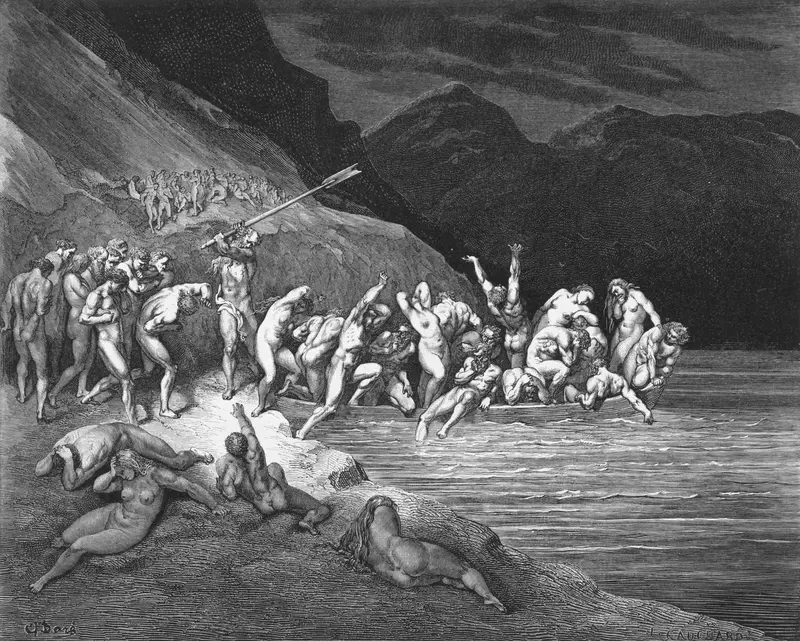
Charon (Inferno, Canto 3)
Gustave Doré
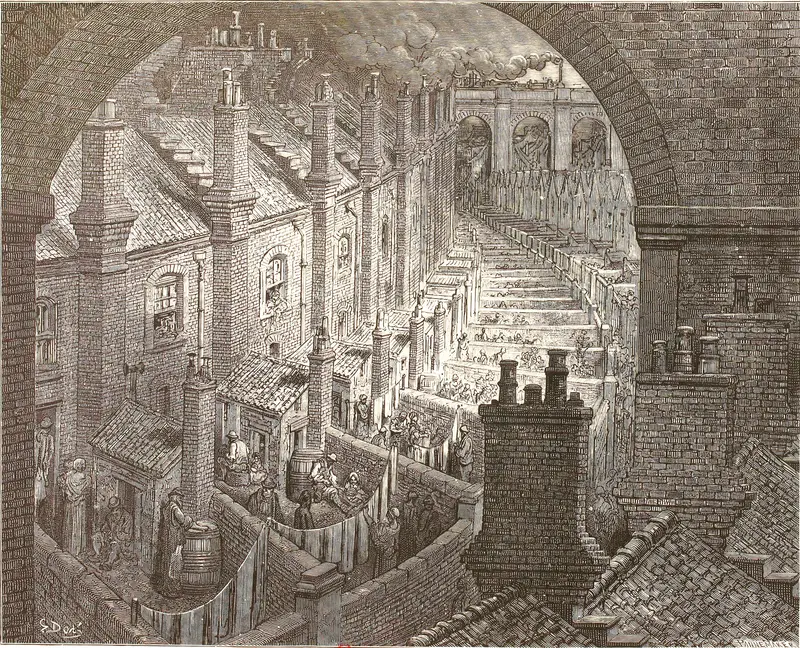
Over London by Rail
Gustave Doré
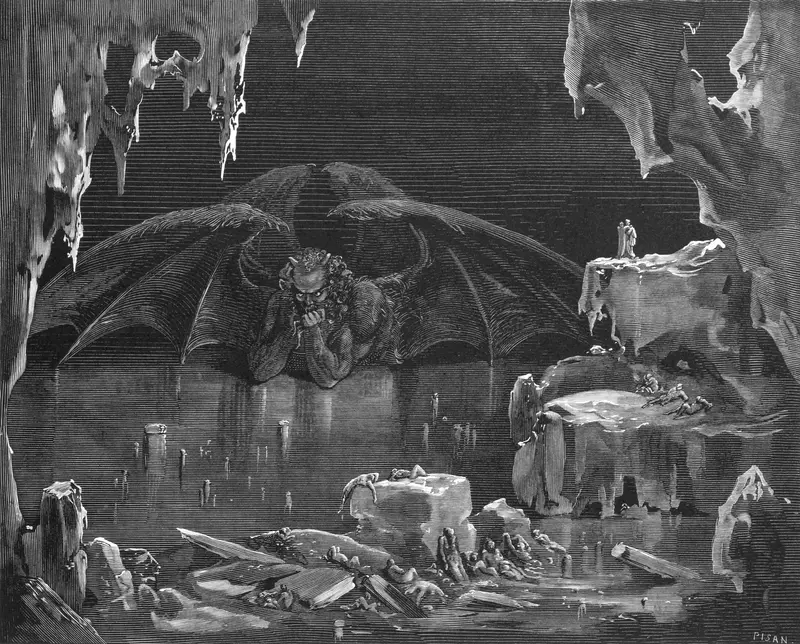
Lucifer, King of Hell
Gustave Doré
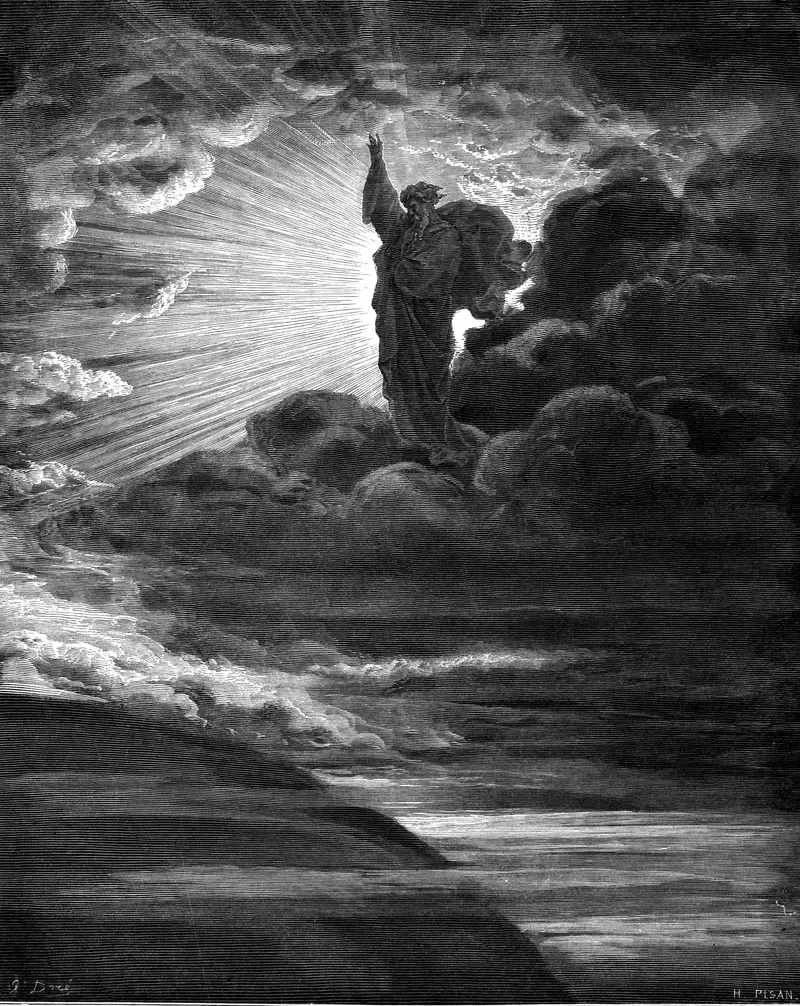
The Creation of Light
Gustave Doré
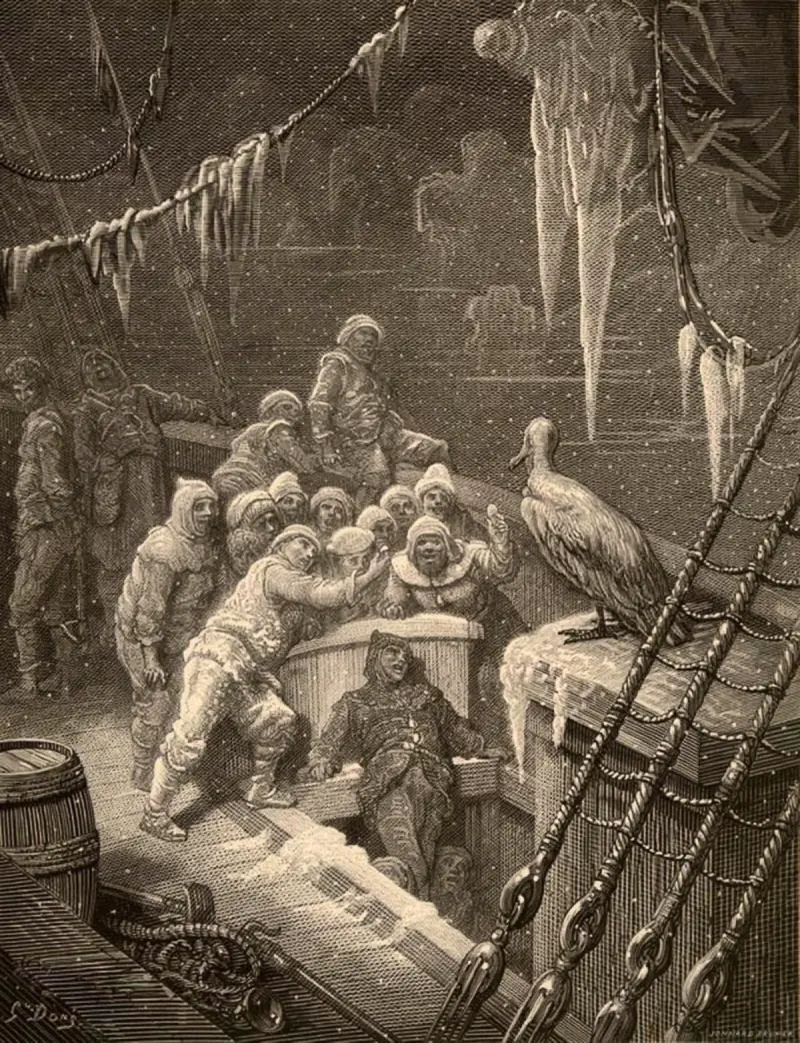
The Albatross (The Rime of the Ancient Mariner)
Gustave Doré
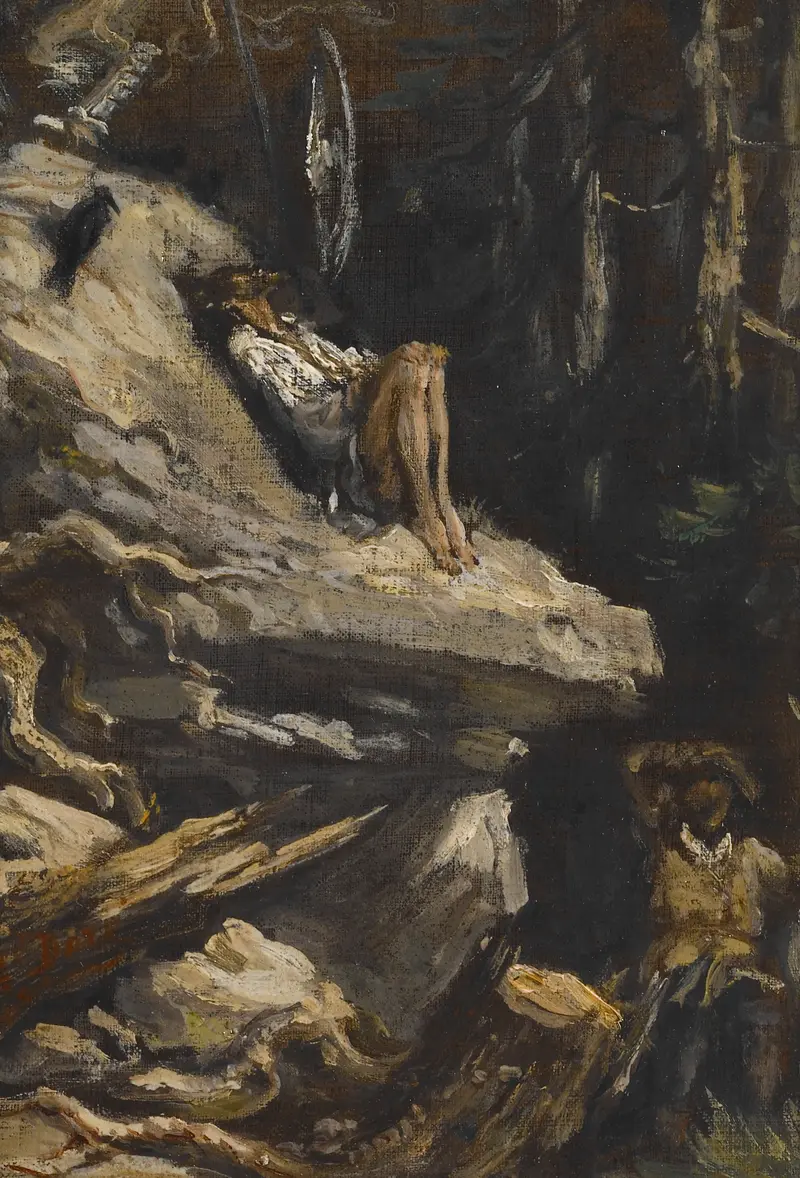
"'Alas!' answered Sancho, 'I found him in his shirt, lean, pale, and almost starved, sighing for his Lady Dulcinea'" from Don Quixote
Gustave Doré
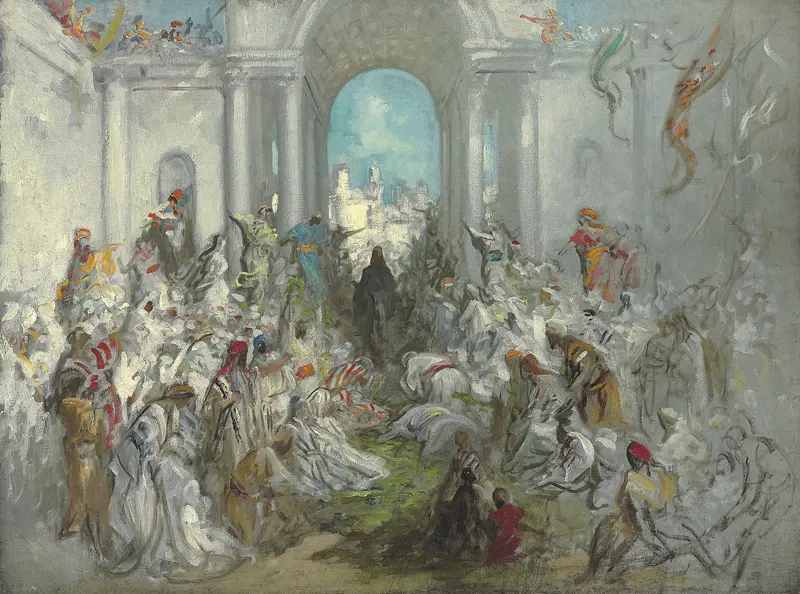
Christ's Entry into Jerusalem
Gustave Doré
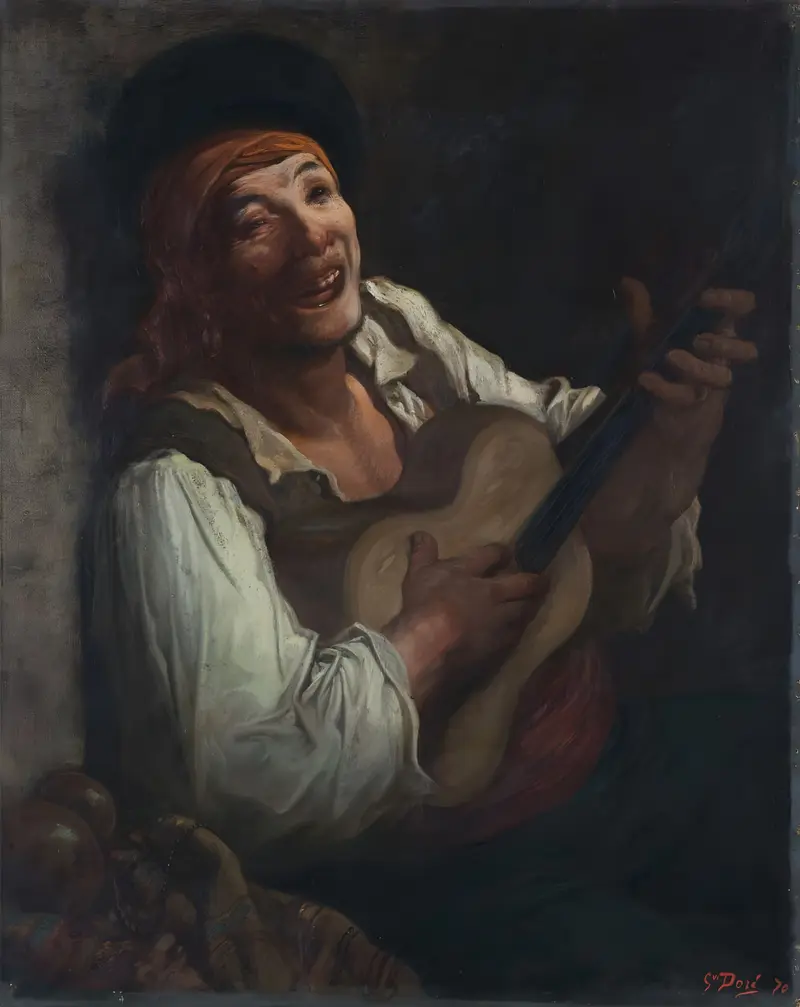
Guitar Player
Gustave Doré