Drinking in the Moonlight — History & Analysis
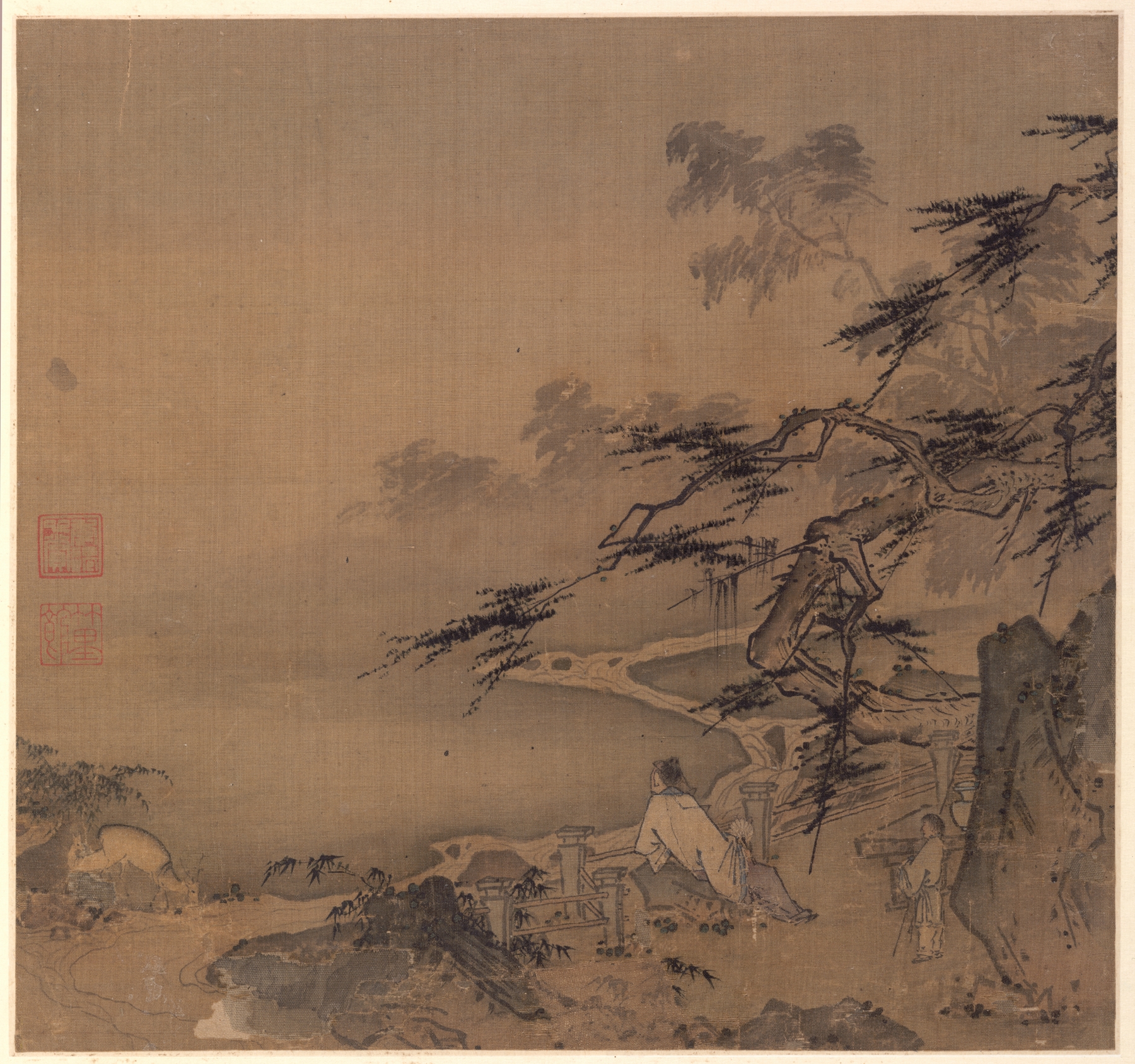
When did color learn to lie? In the delicate world of art, beauty often breathes through a veil of truth and illusion, inviting us to explore what lies beneath the surface. Look to the serene expanse of the moonlit water, where soft shades of blue and silver reflect the gentle light of the moon. The figures, draped in flowing robes, occupy a space that feels both intimate and expansive, their postures conveying a tranquil yet contemplative mood.
Notice how the subtle brushstrokes create a sense of fluidity in the water, while the stark, sharp lines of the landscape balance the composition, drawing the eye across the canvas. The artwork embodies a contrast between serenity and longing, as the figures seem lost in thought, suspended in a moment of quiet reflection. Their surroundings, illuminated by the soft glow of the moon, evoke a world where beauty transcends the ordinary. The juxtaposition of the peaceful water and the intensity of their expressions suggests an internal struggle, a yearning for connection that resonates beyond the frame.
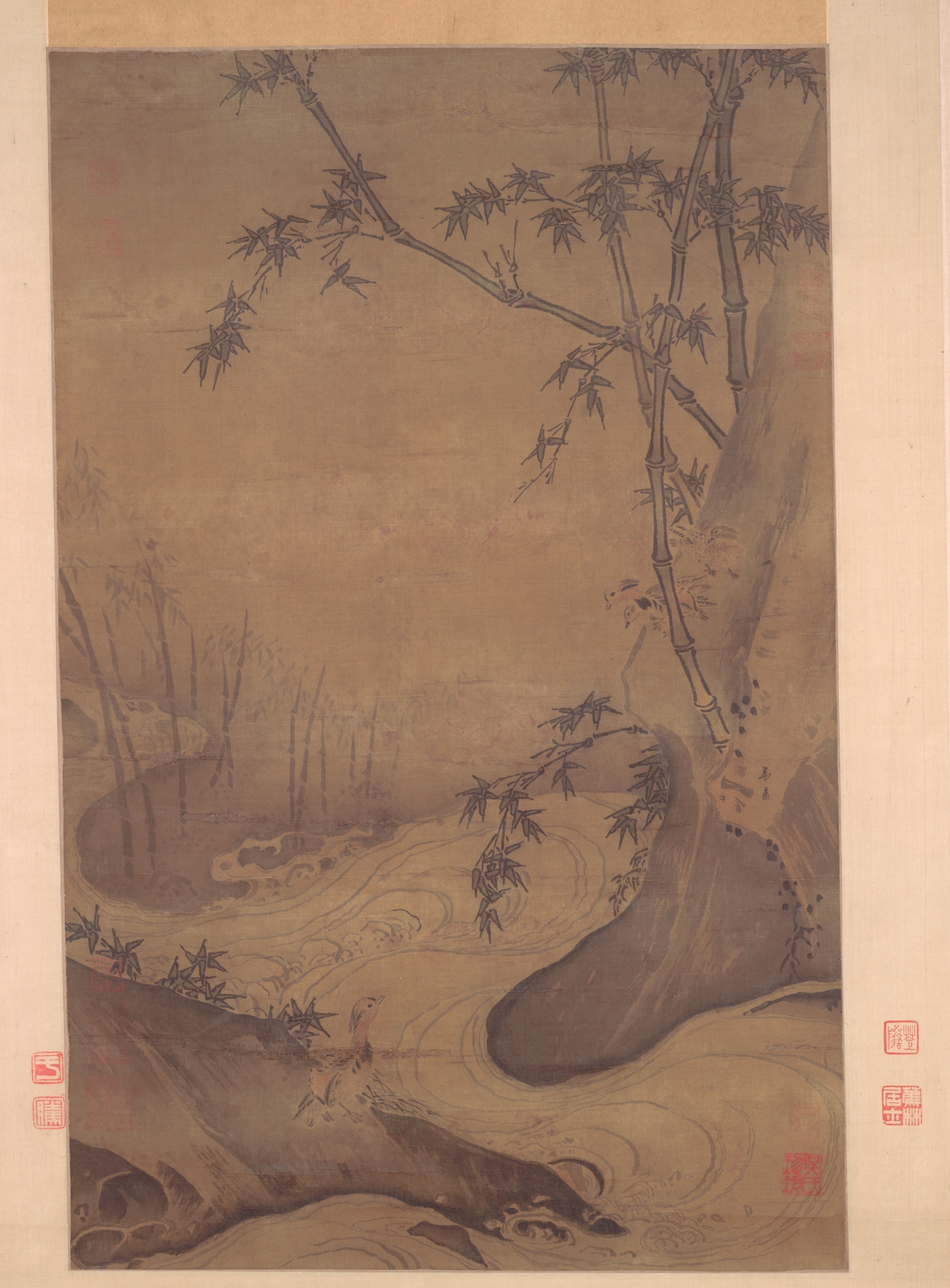
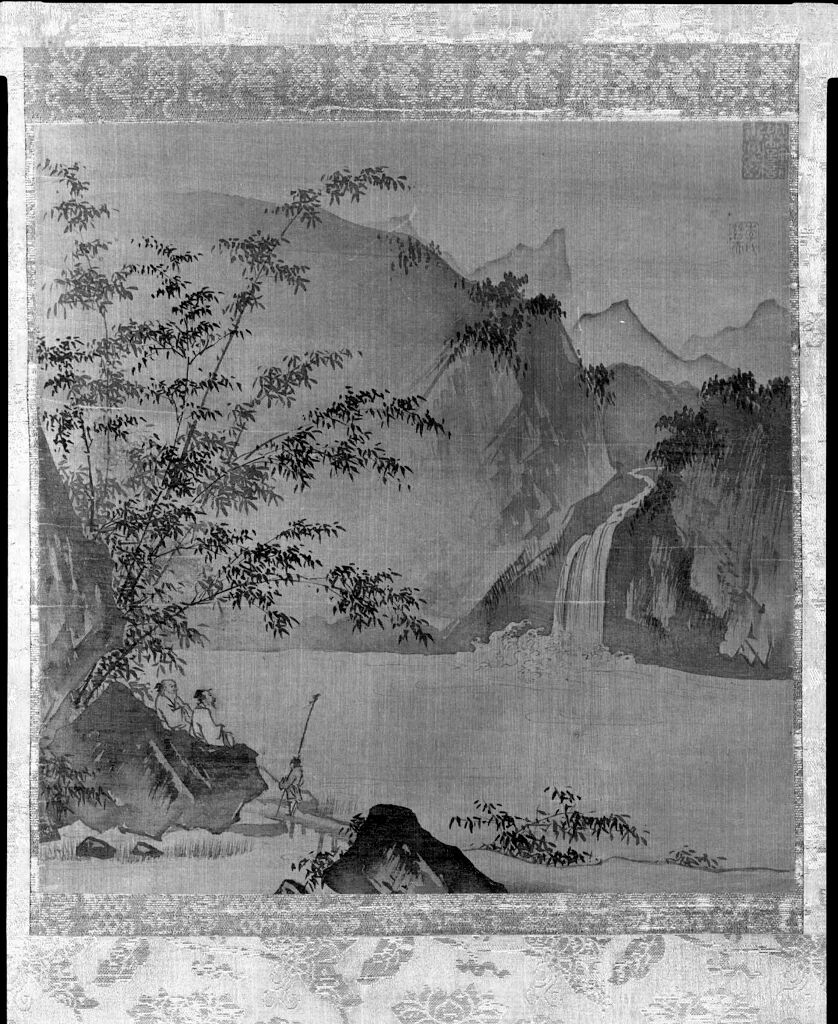
Ma Yuan painted this artwork during a time when the Song dynasty flourished in China, around the late 1100s to early 1200s. This period was marked by advancements in landscape painting and an appreciation for lyrical beauty that transcended realism. As he navigated this artistic landscape, Ma Yuan's work reflected not only his personal vision but also the cultural ideals of harmony and nature that defined the era, solidifying his role as a pivotal figure in Chinese art history.