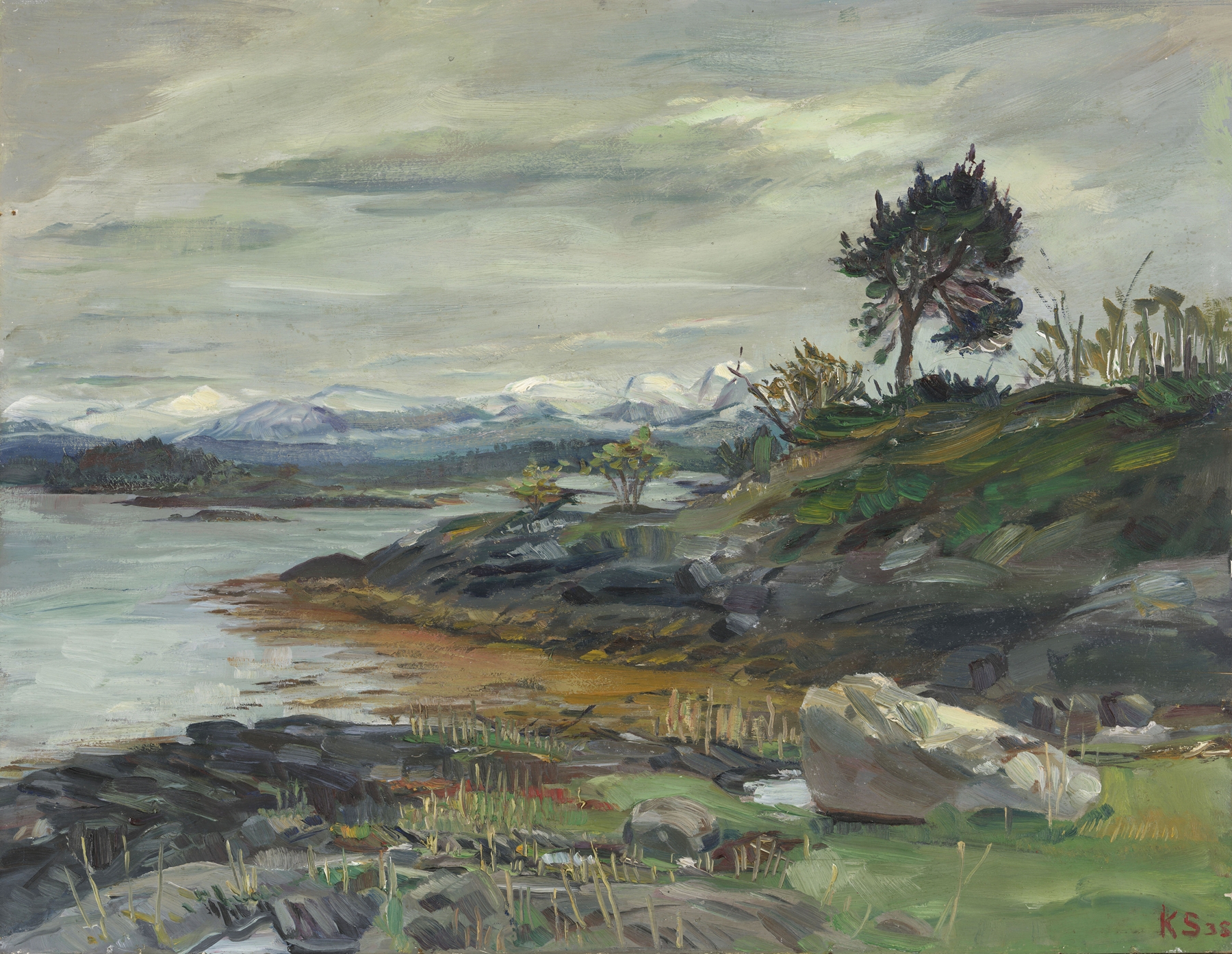
Fall, Hjertøya — History & Analysis
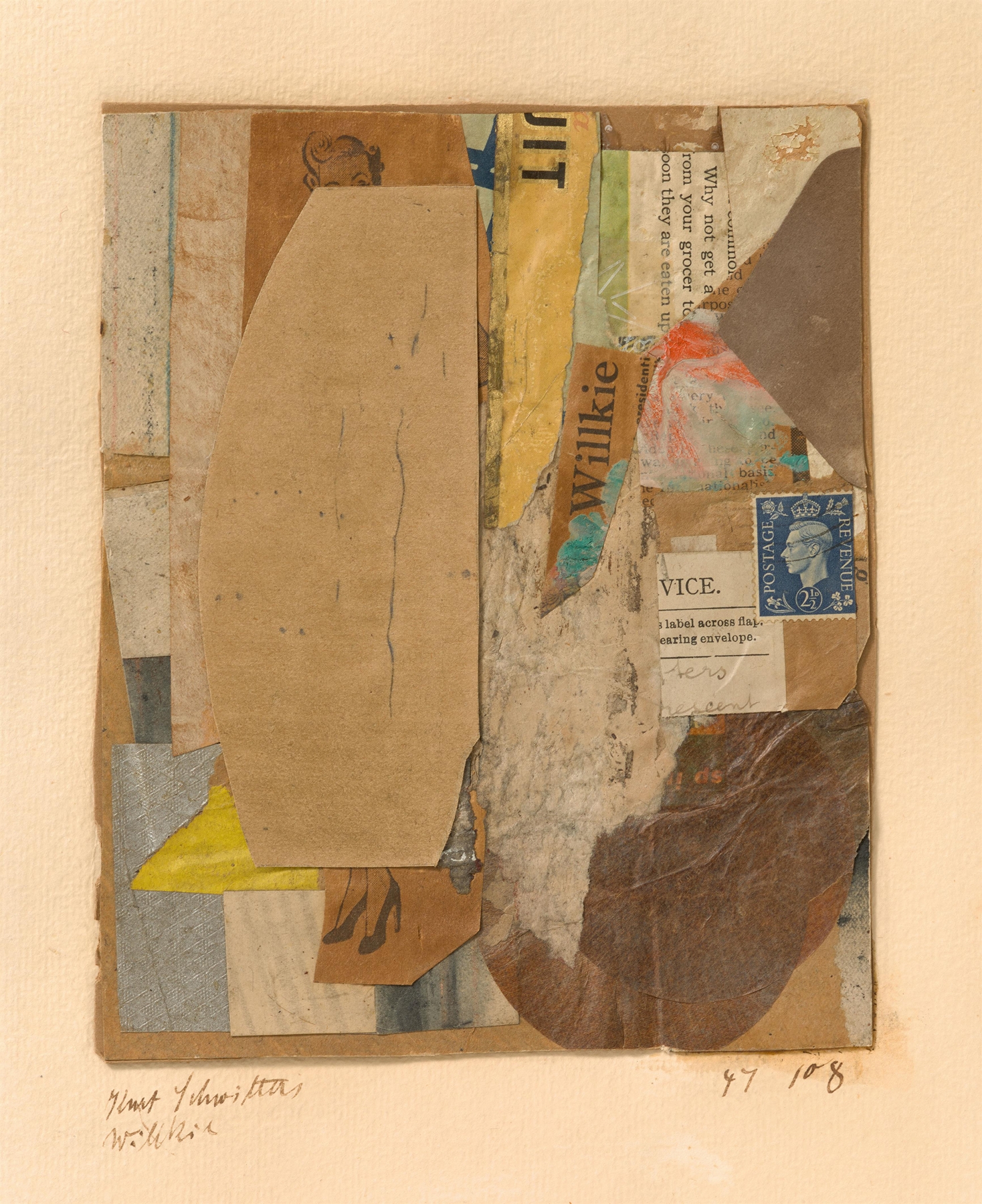
“Sometimes beauty is just pain, disguised in gold.” In the quest for meaning, we often uncover the threads that connect our destinies, woven through joy and suffering alike. Focus on the central composition, where brilliant hues collide with darker undertones. The vibrant yellows and reds dance with muted browns, drawing your eyes into the intricate layers of texture. The juxtaposition of chaotic forms hints at a world teetering on the brink, capturing a moment both celebratory and melancholic.
Look closely at the deliberate placement of materials — torn paper, paint, and found objects fuse together, creating depth and complexity that invite contemplation. Delve deeper into the essence of this work, where the fragmented elements represent the interplay of chance and choice in life’s unfolding narrative. The stark contrasts between light and shadow mirror the artist’s inner struggles, reflecting a sense of uncertainty amidst the vibrancy of existence. Each piece of material, each brushstroke whispers of the stories that shaped him, revealing how beauty often masks the undercurrents of pain and longing.
In 1938, Schwitters was emerging from a world fractured by war and political upheaval, living in Norway as he sought refuge from the relentless forces of the Nazi regime. This period marked a significant shift in his artistic approach, as he embraced new materials and ideas that transcended traditional boundaries. Amidst personal and collective turmoil, he created Fall, Hjertøya, a poignant exploration of destiny that resonates through the layers of color and texture, embodying both hope and despair.