
Discover insights about this artwork
Fortitude — History & Facts
In Fortitude, Sandro Botticelli presents a strong figure, often interpreted as a personification of strength and resilience. The figure is depicted in rich colors, primarily deep reds and golds, which convey a sense of power. The background is relatively simple, allowing the figure to dominate the composition.
This focus on the central figure emphasizes the theme of fortitude. The painting is executed in tempera on panel, a medium that Botticelli often used during the Renaissance. The dimensions are approximately 90 x 180 cm, making it a sizable work that commands attention. The technique showcases Botticelli's skill in creating detailed textures and vibrant colors.
Viewers can appreciate the intricate details in the figure's clothing and the careful rendering of facial features. Fortitude is part of a series of allegorical figures created by Botticelli, reflecting the values of the Renaissance. This work likely dates to the 1470s, a time when Botticelli was gaining recognition for his unique style. An interesting fact about this painting is that it was originally intended for a larger decorative scheme, emphasizing the importance of virtue in human life.
Botticelli's exploration of allegory allows viewers to engage with deeper philosophical themes.
More Artworks by Sandro Botticelli
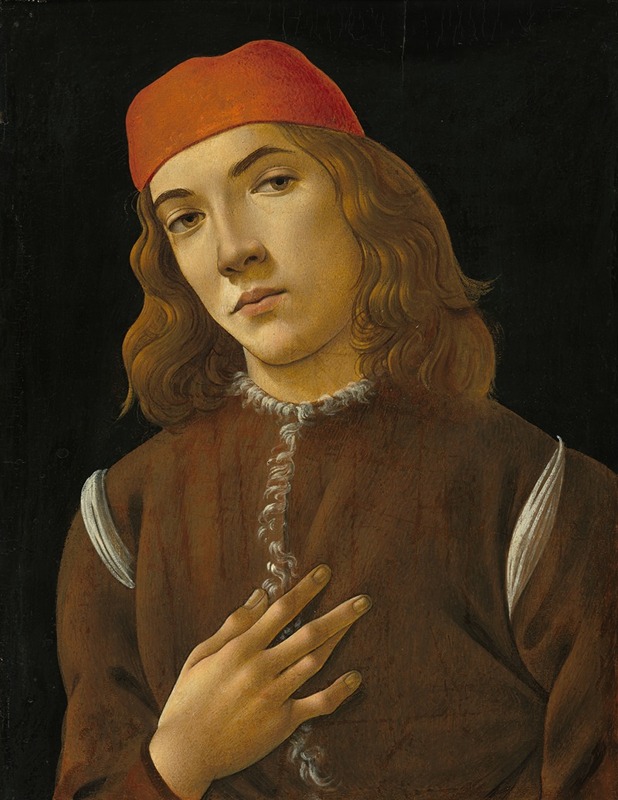
Portrait of a Youth
Sandro Botticelli
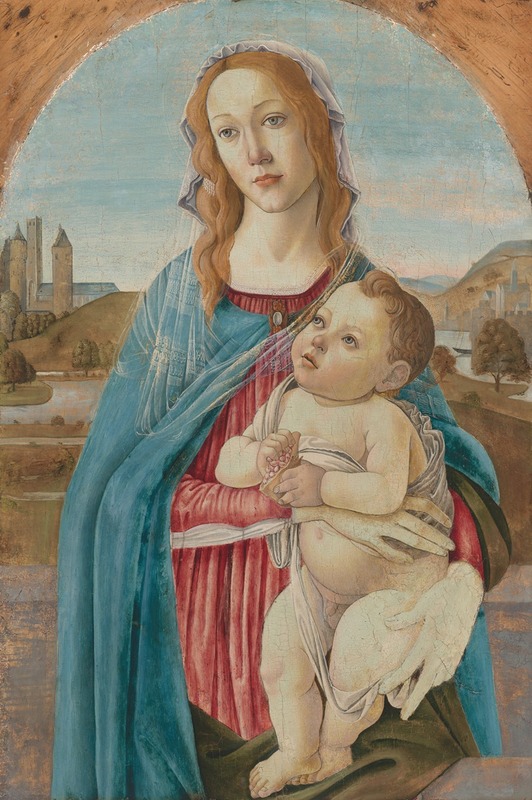
Virgin and Child
Sandro Botticelli
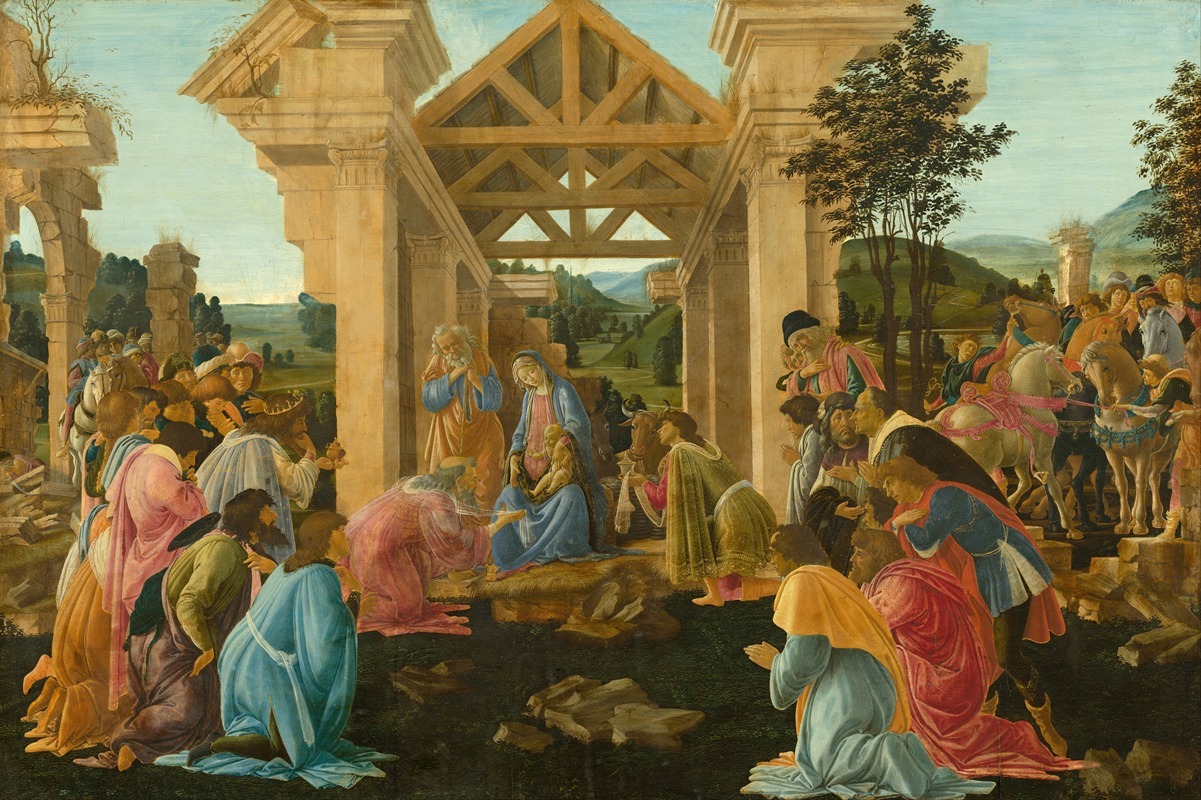
The Adoration Of The Magi
Sandro Botticelli

Madonna and Child with Angels
Sandro Botticelli
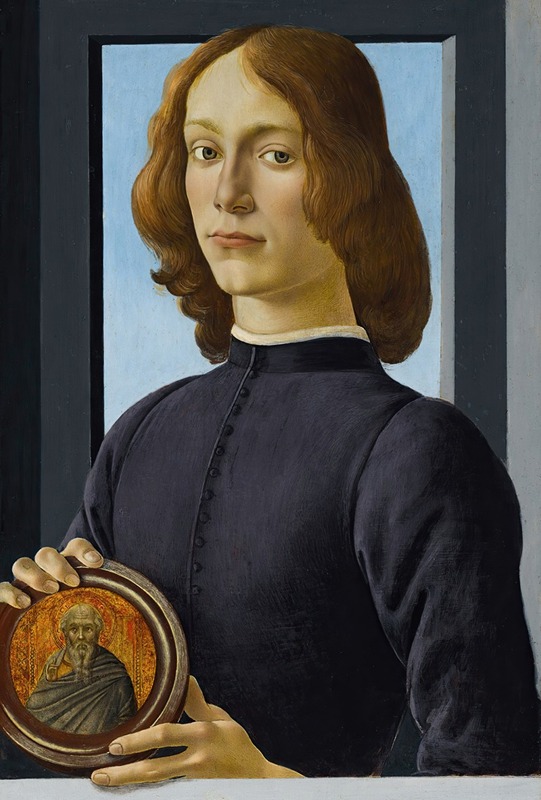
Portrait of a young man holding a roundel
Sandro Botticelli
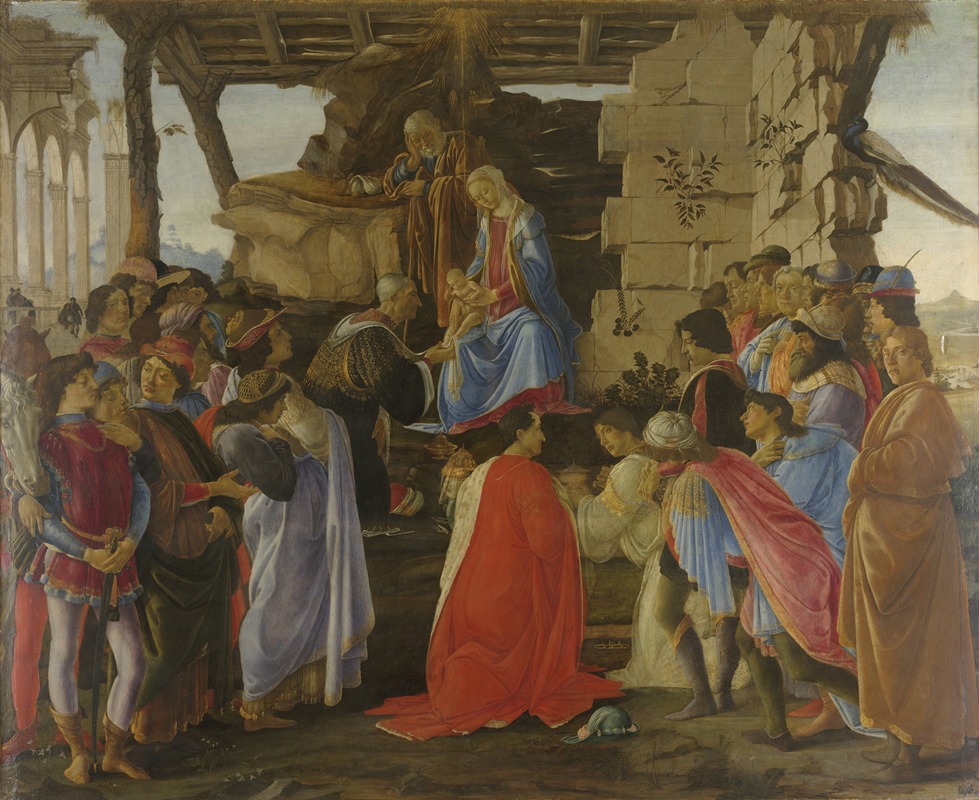
Adoration of the Magi
Sandro Botticelli
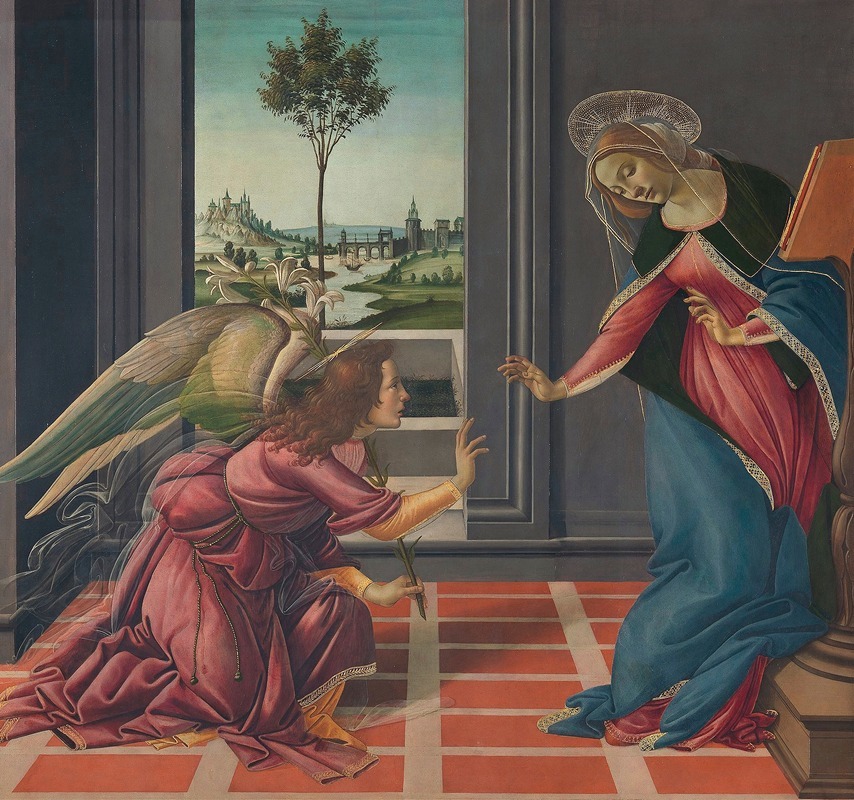
Annunciation
Sandro Botticelli
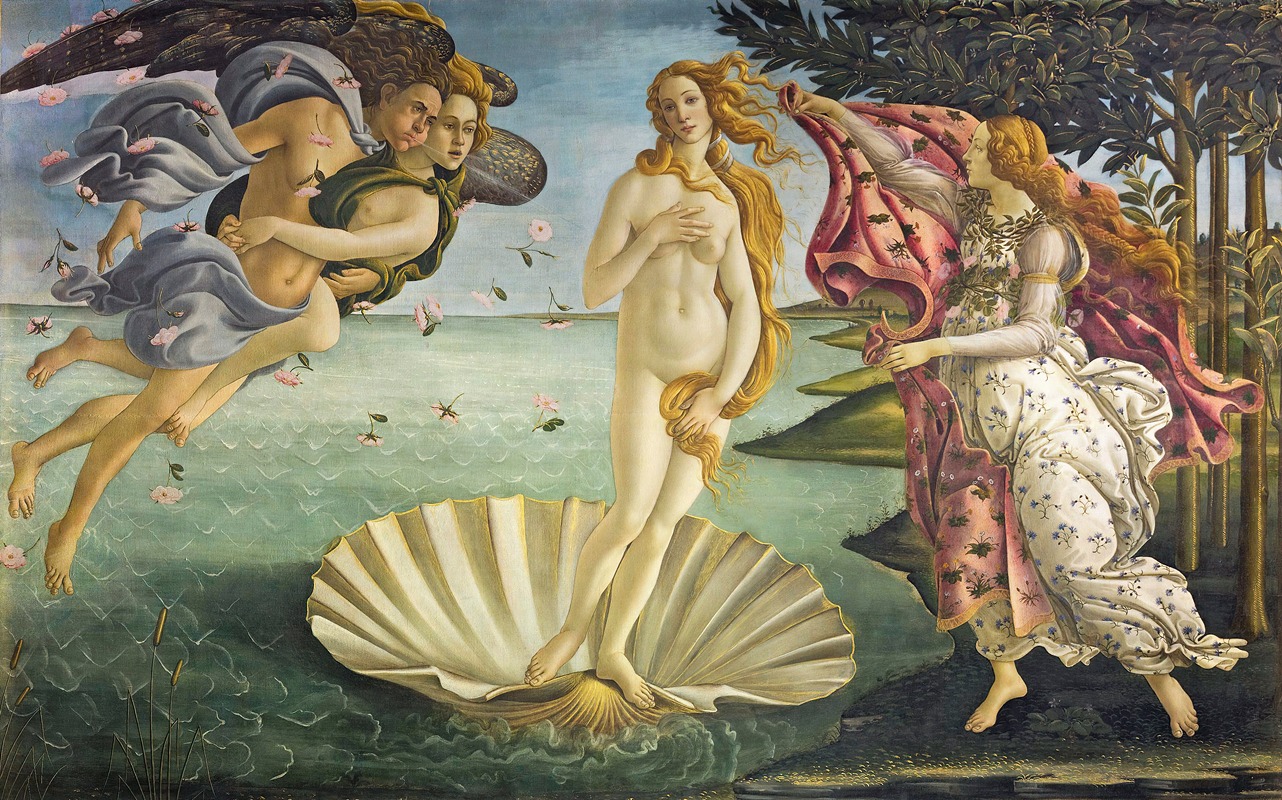
Birth Of Venus
Sandro Botticelli
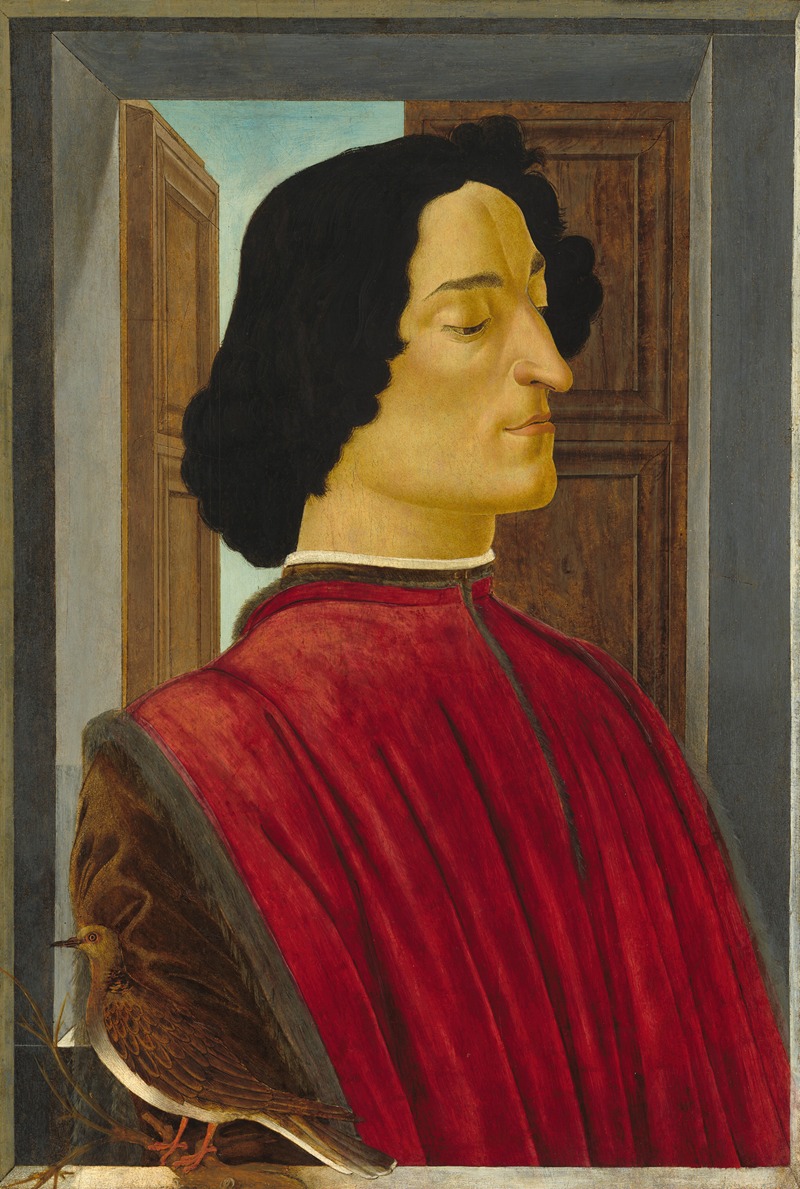
Giuliano de’ Medici
Sandro Botticelli
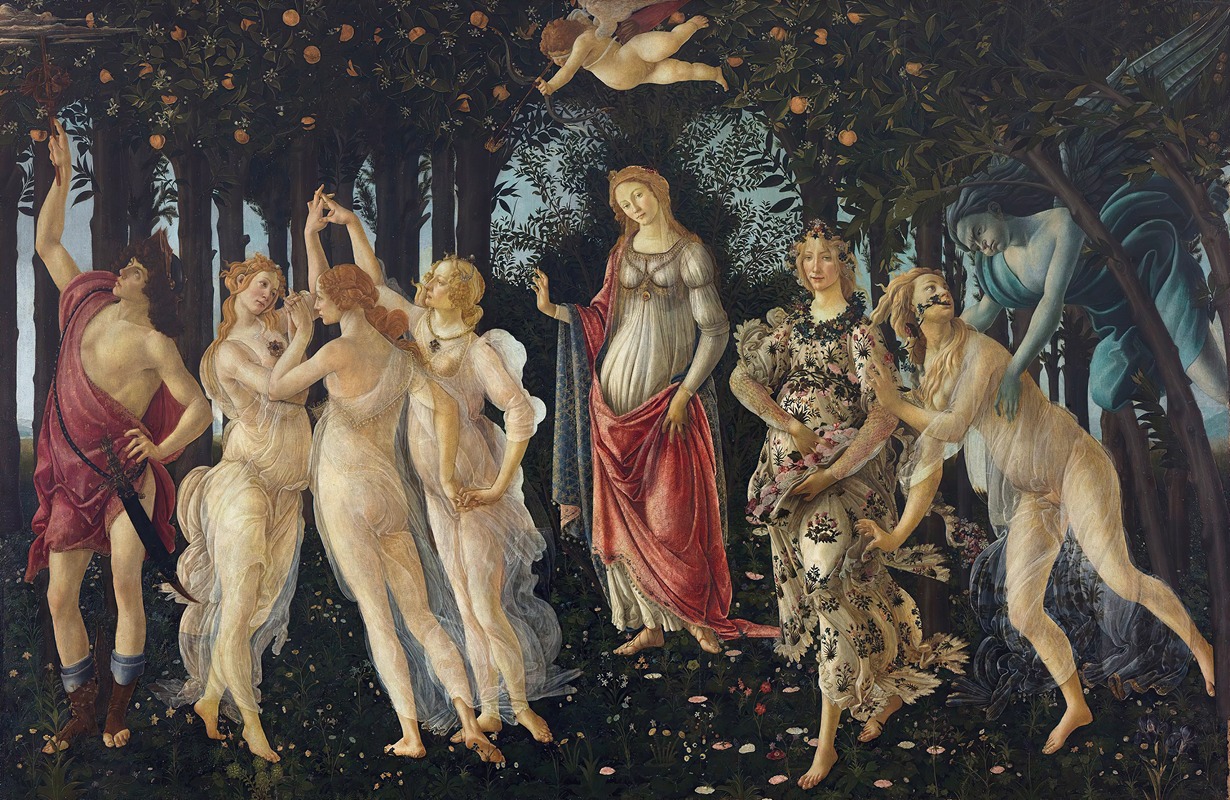
Spring
Sandro Botticelli
More Allegory Art
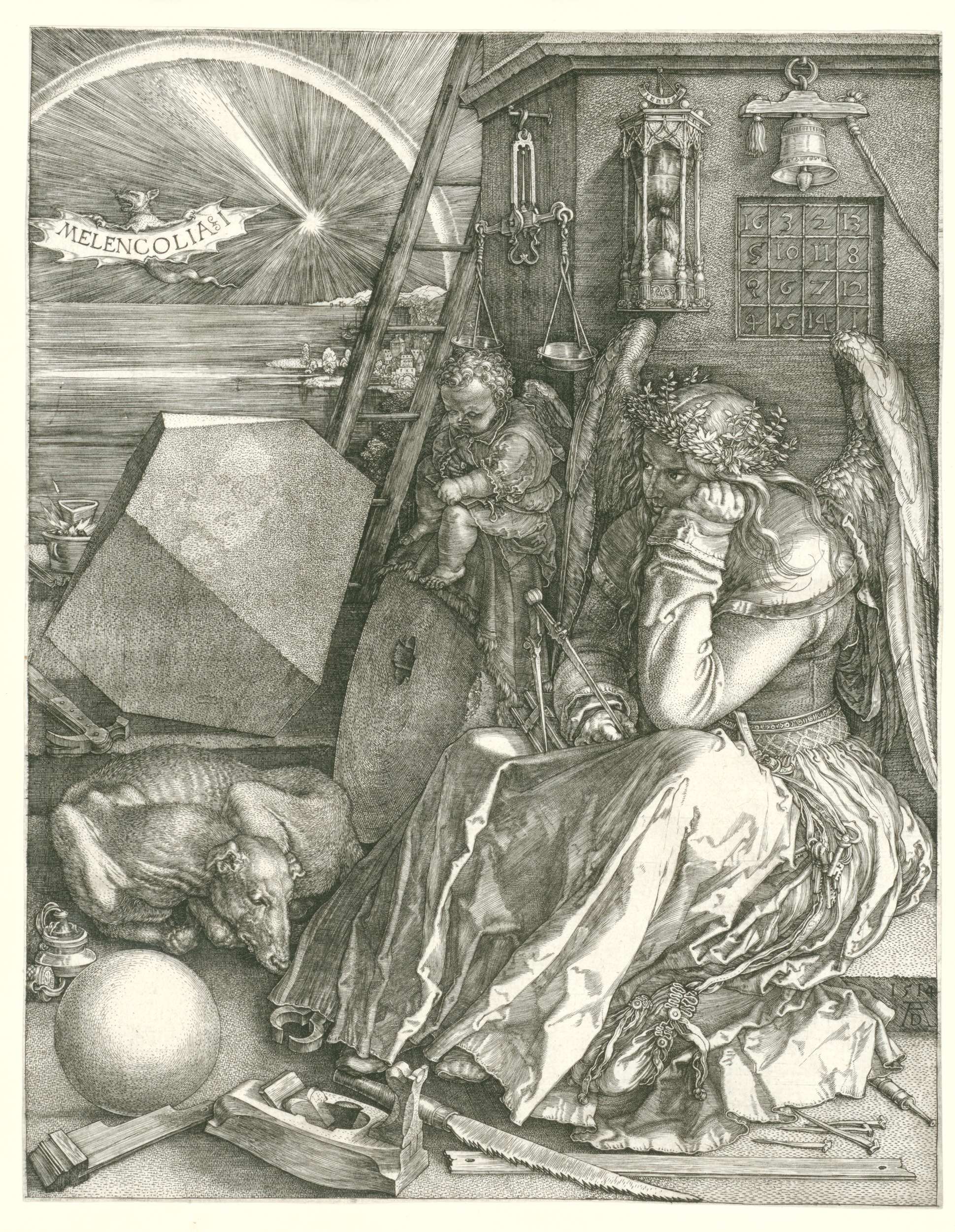
Melancholia
Albrecht Dürer
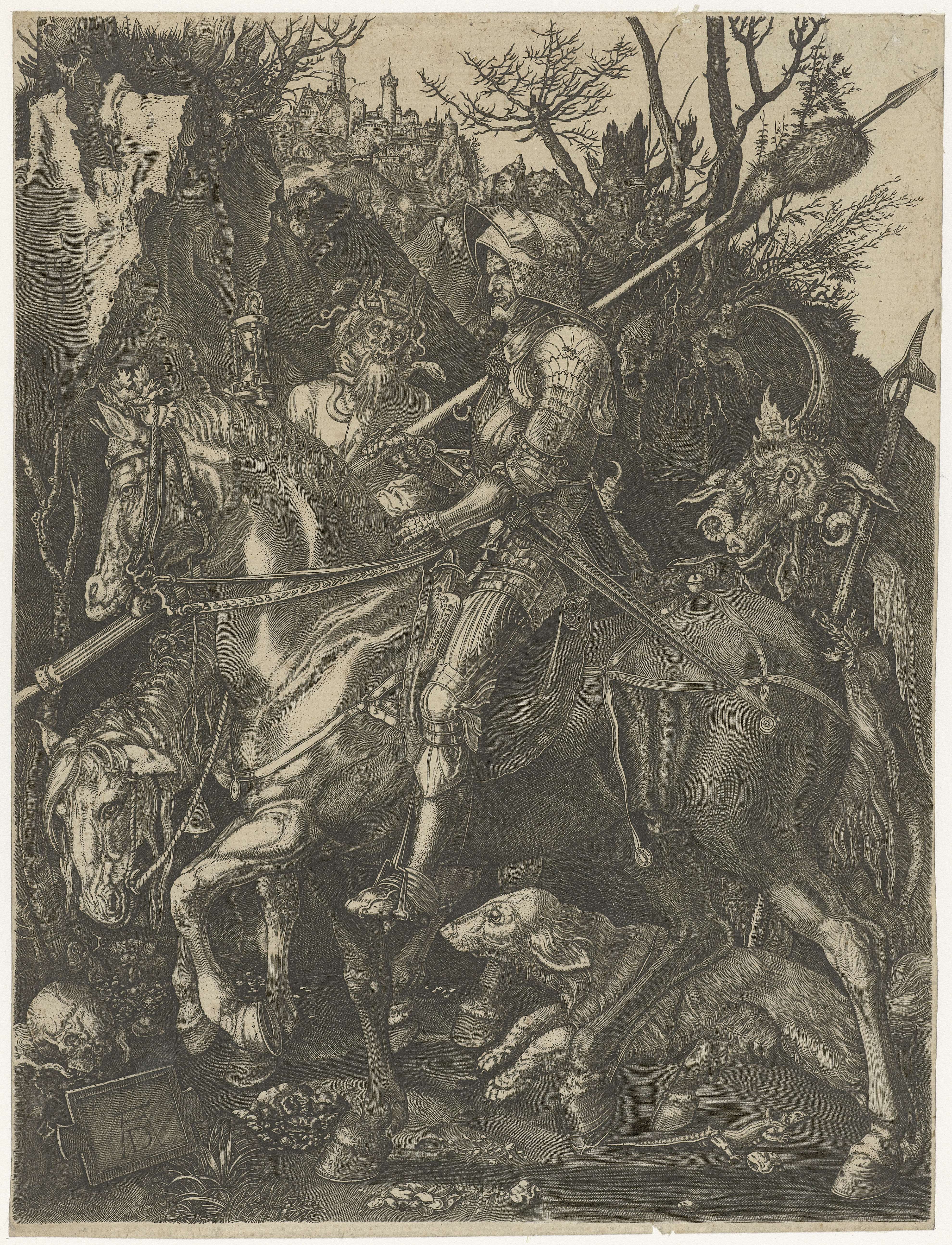
Ridder, Dood en Duivel
Unknown Artist
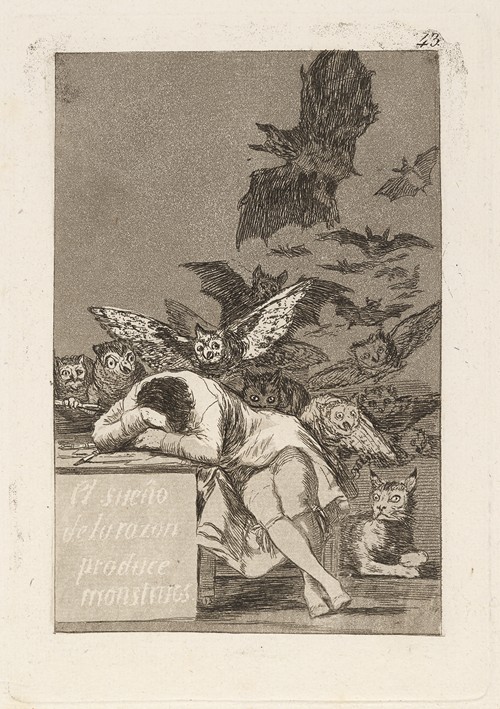
El sueño de la razon produce monstruos. (The sleep of reason produces monsters.)
Francisco de Goya
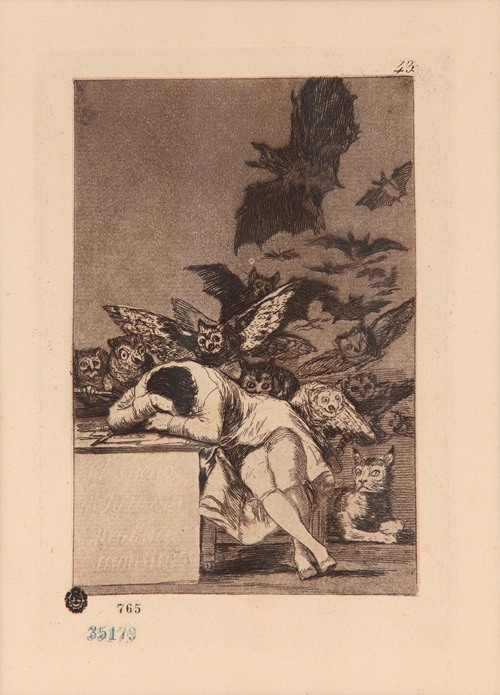
El sueño de la razon produce moustruos (Serie Caprichos)
Francisco de Goya
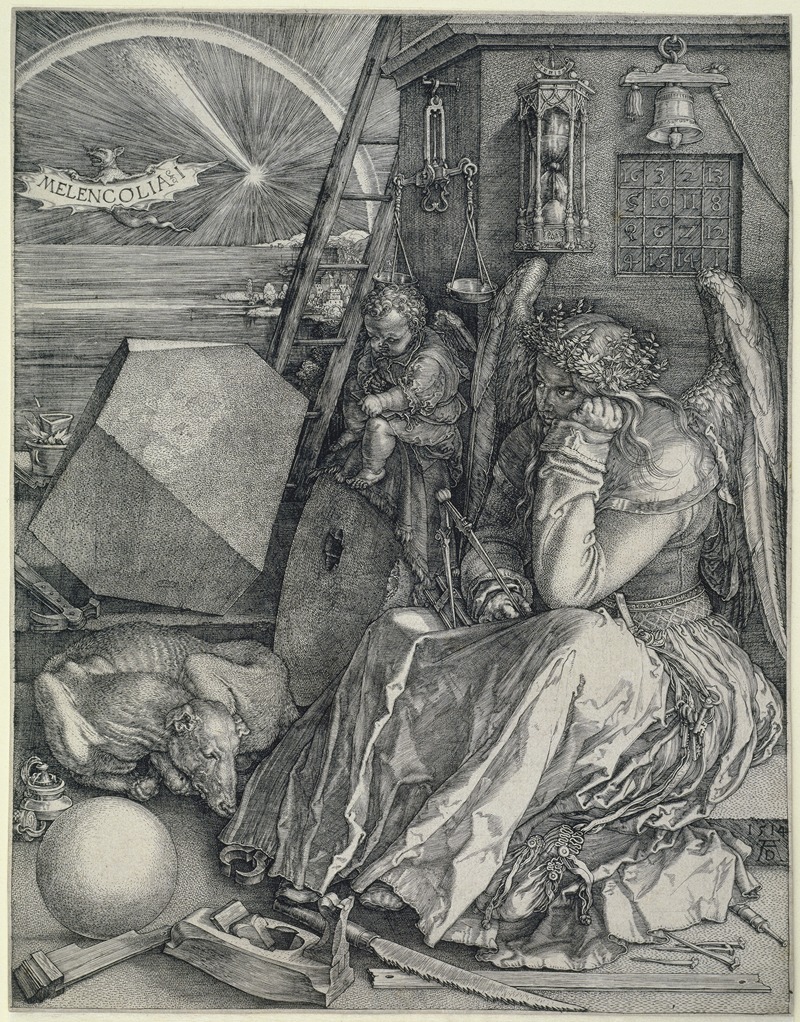
Melencolia I (The Melancholy)
Albrecht Dürer
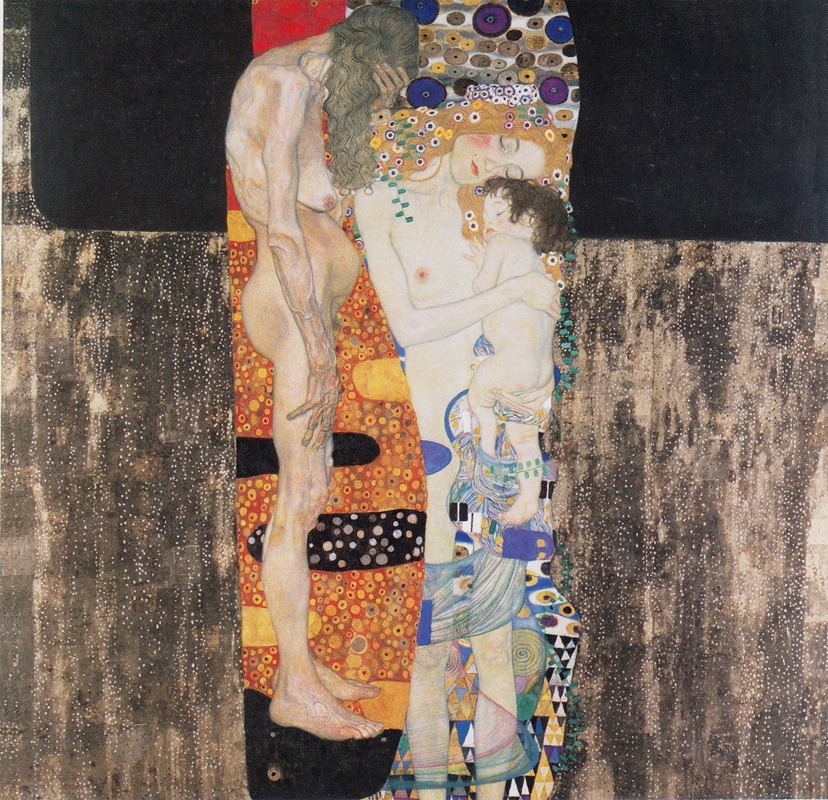
The Three Ages of the Woman
Gustav Klimt