Frenzy — History & Analysis
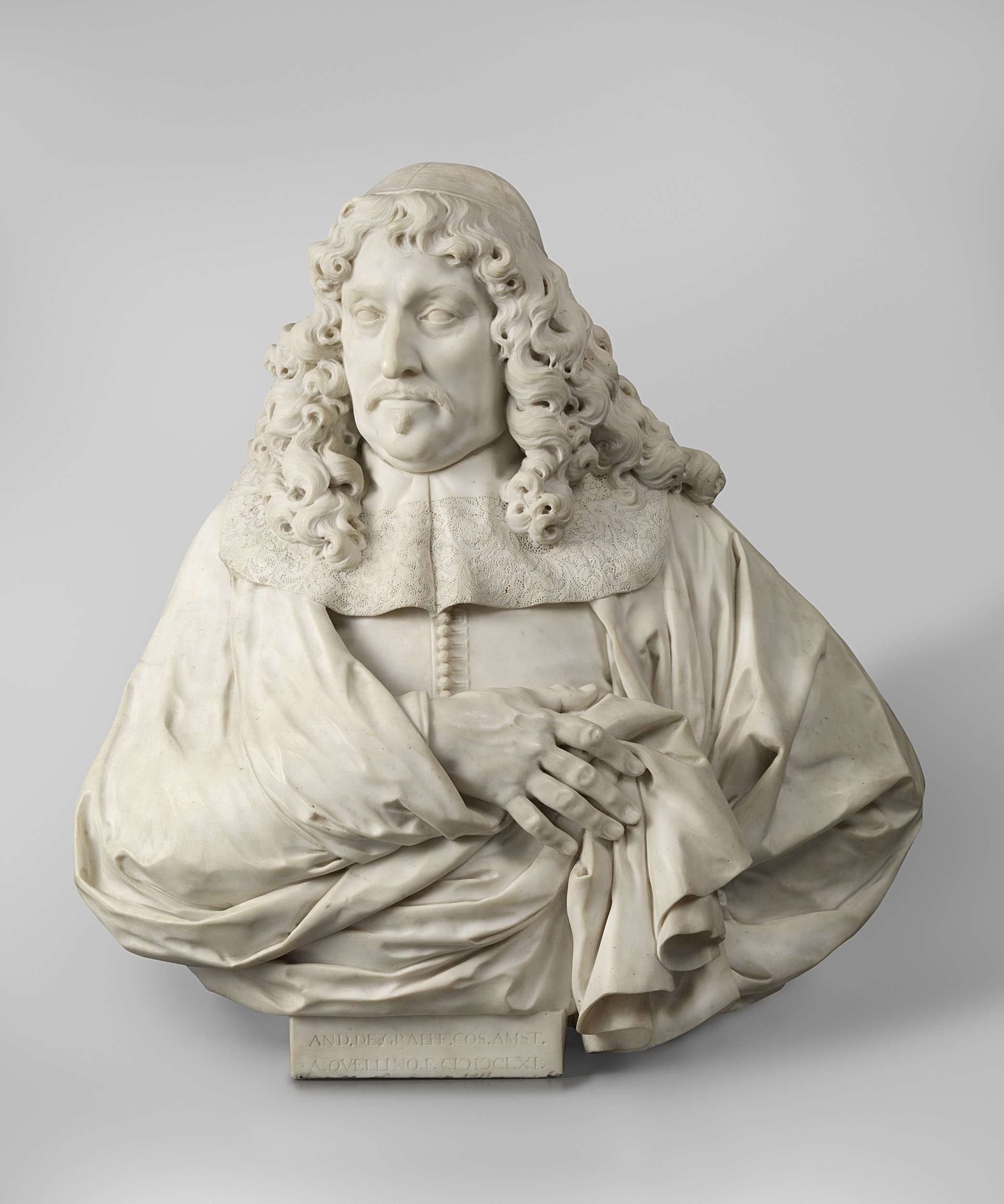
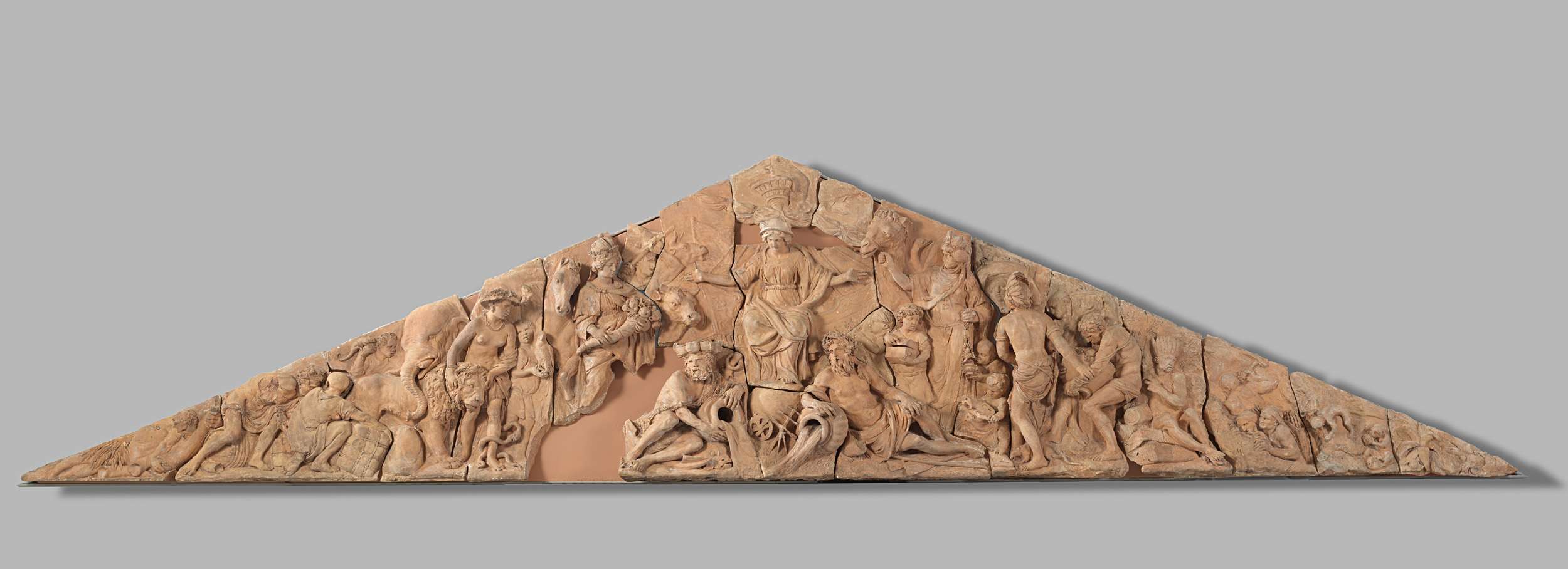
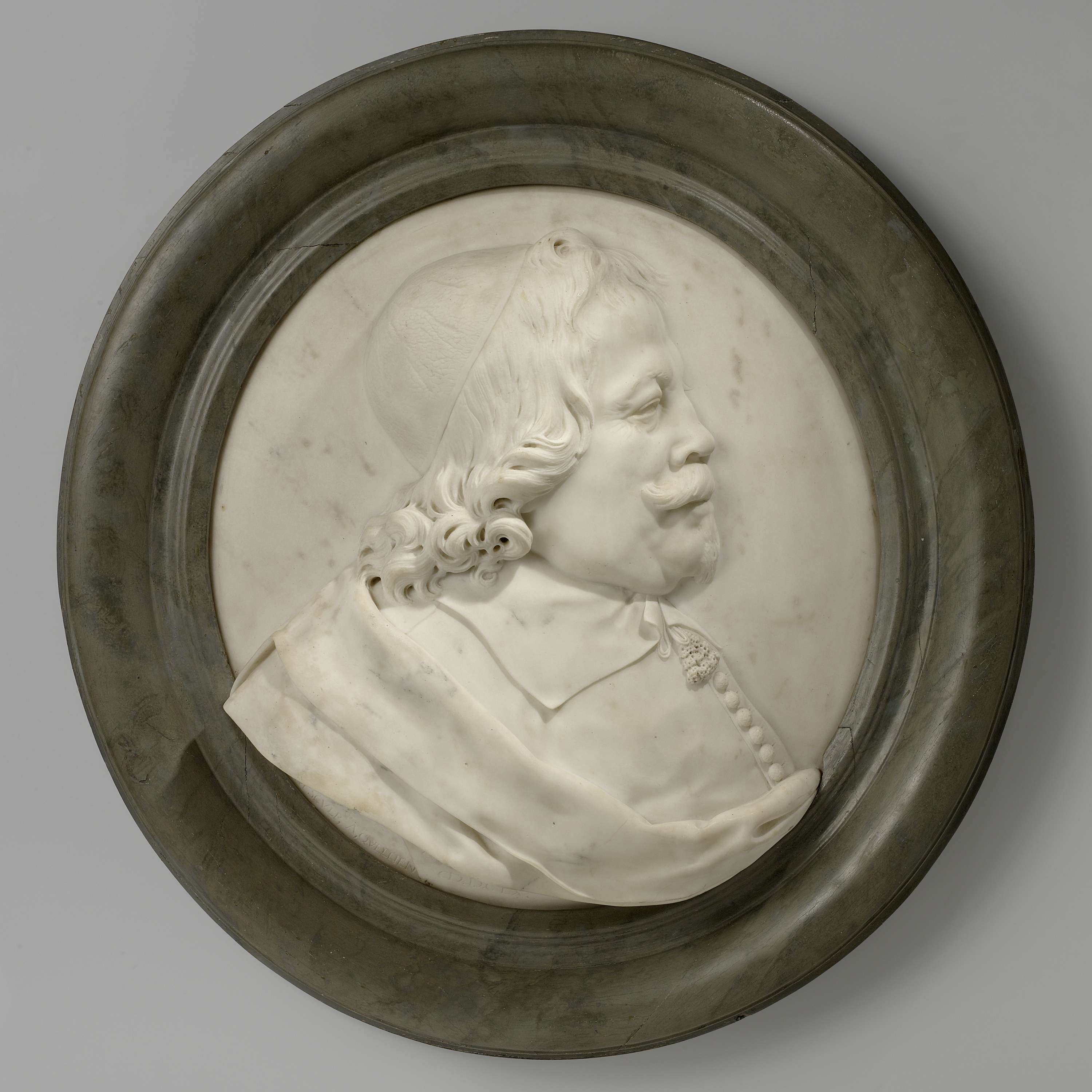
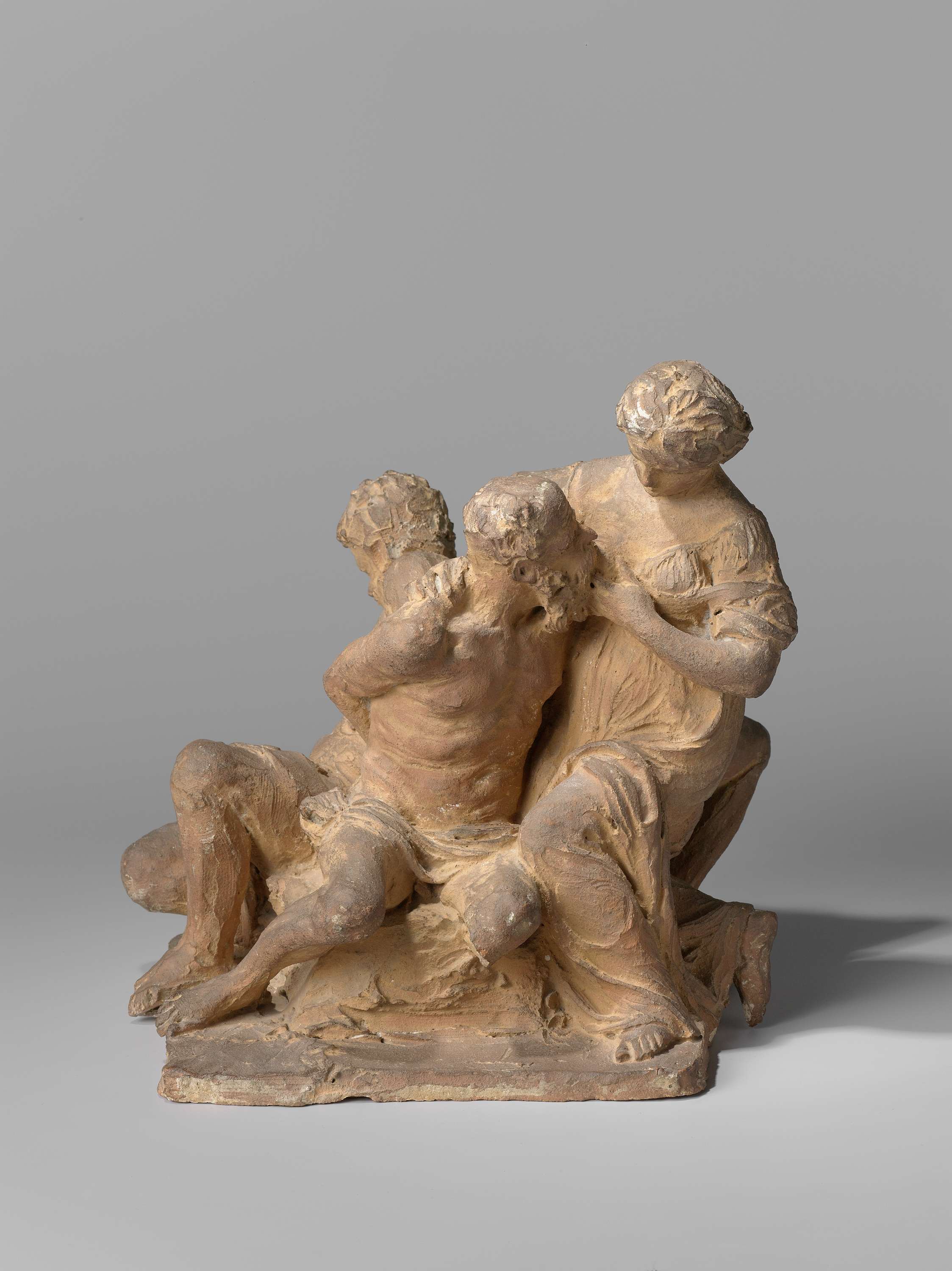
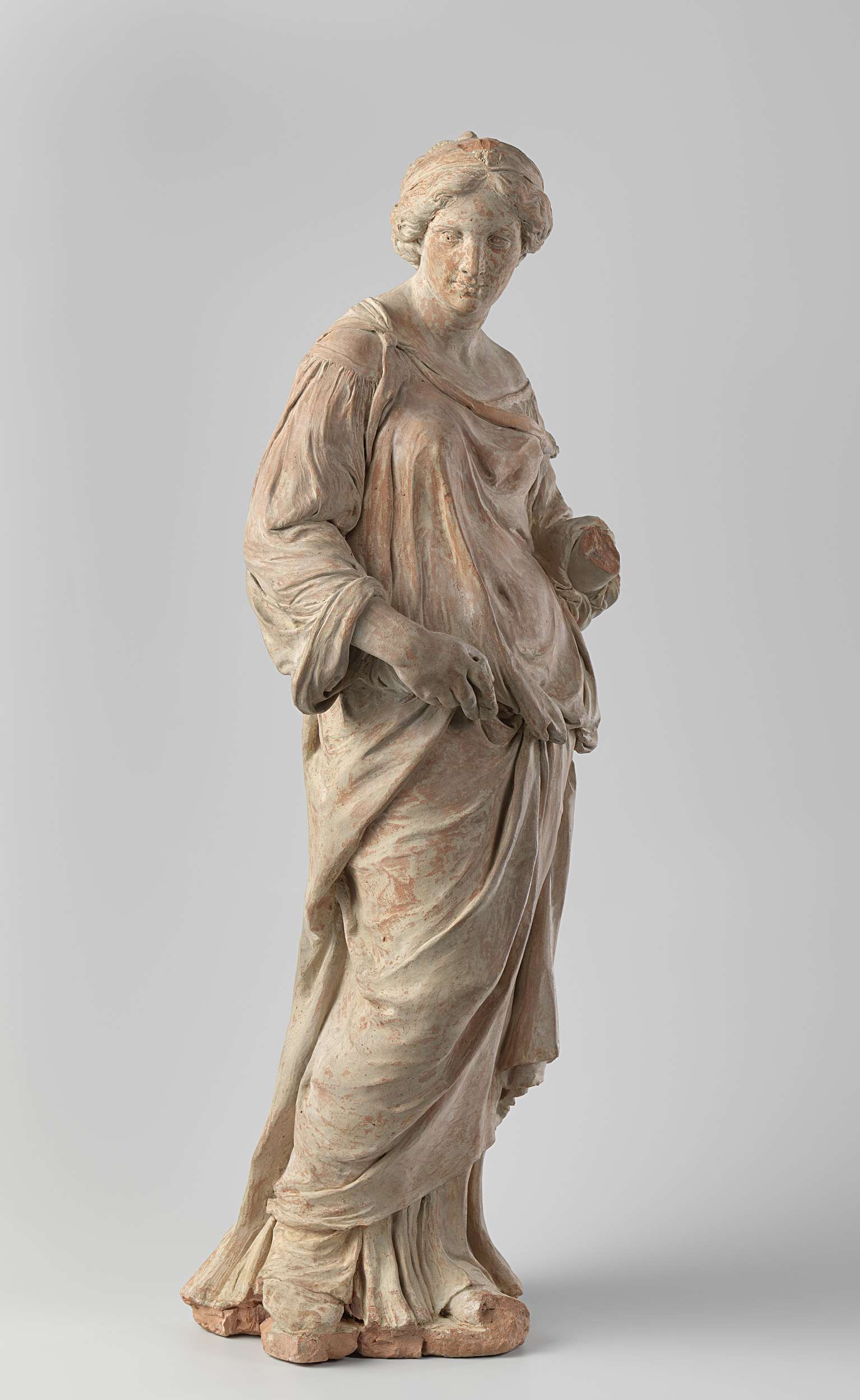
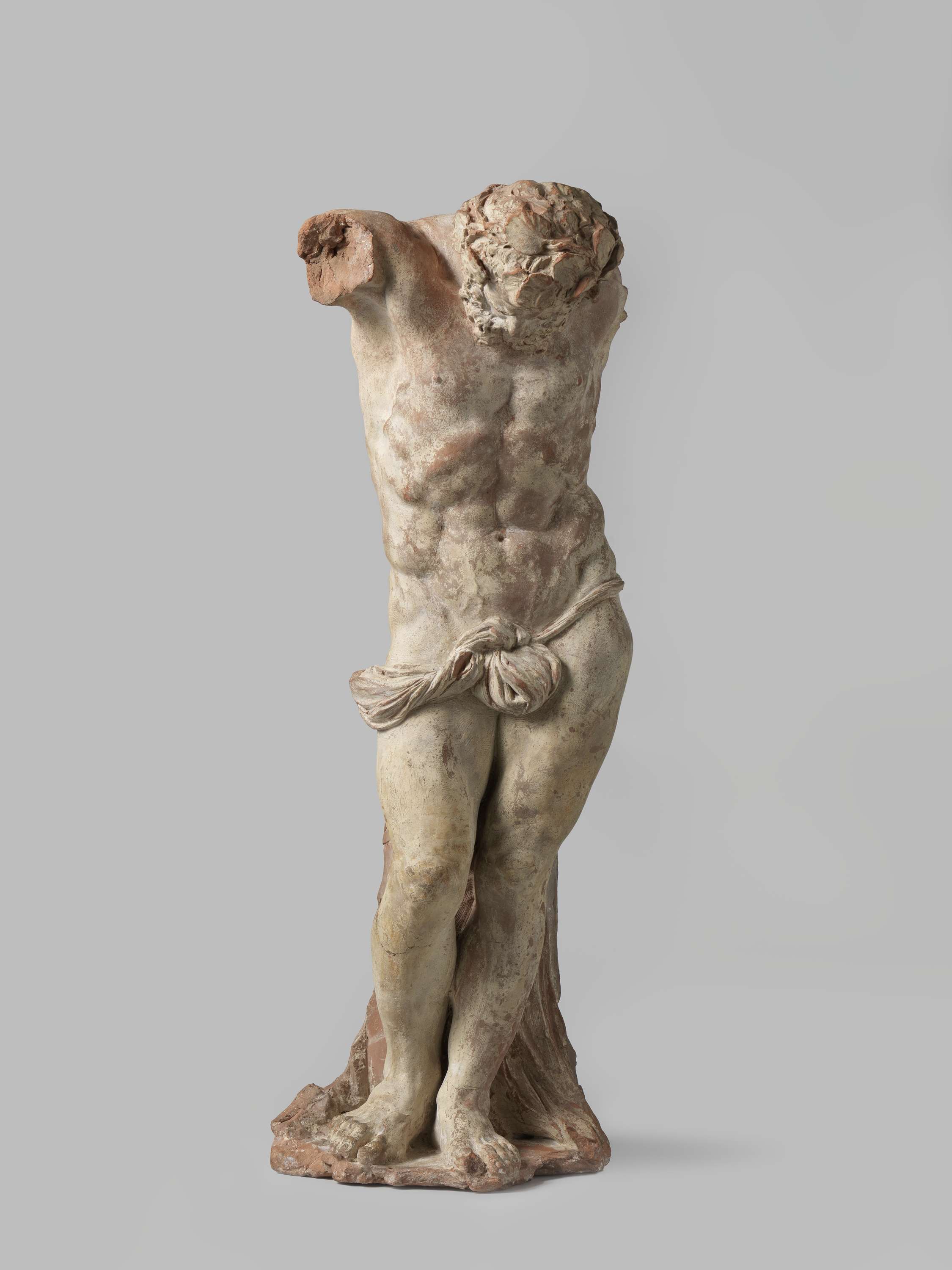
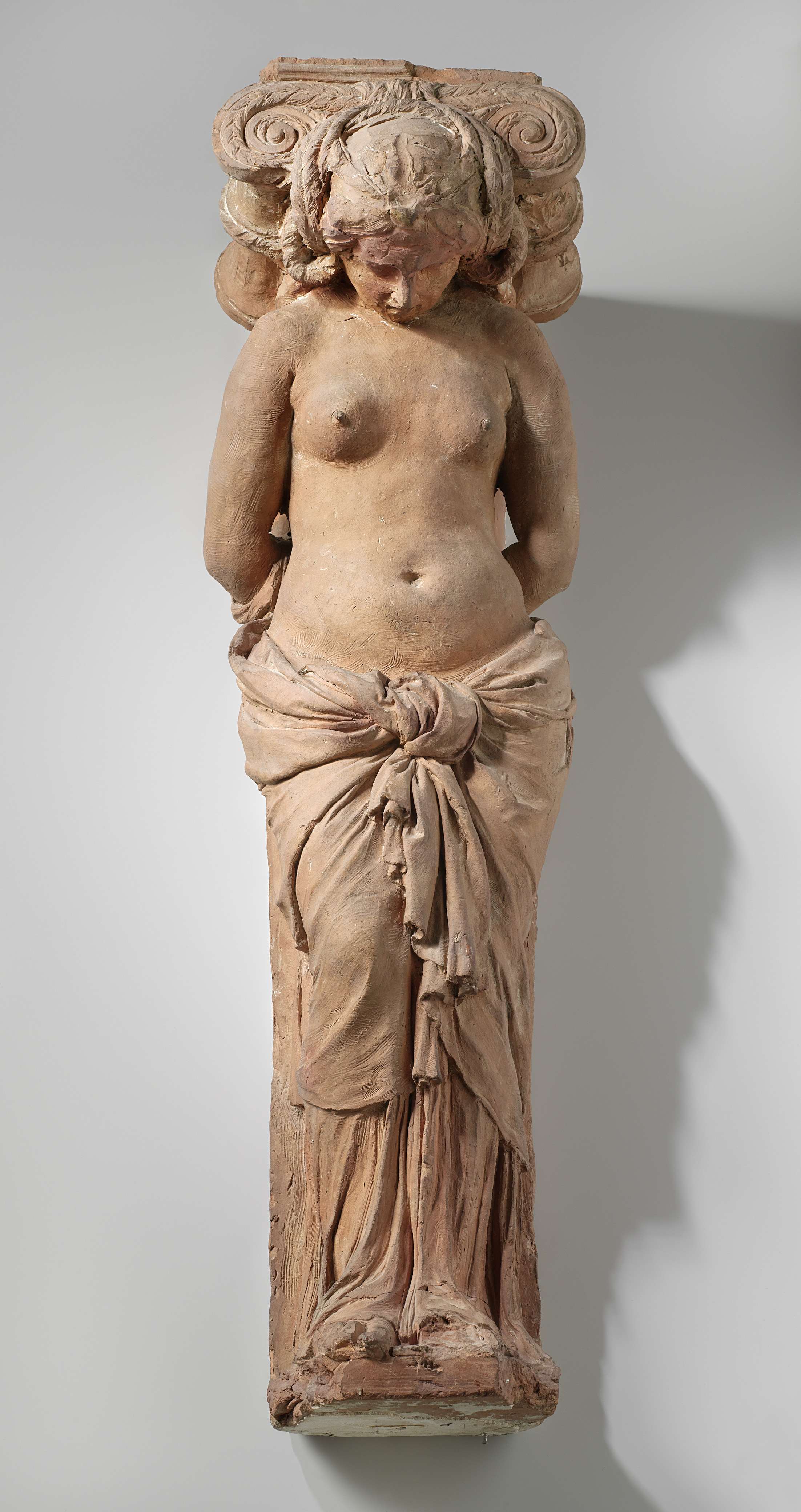
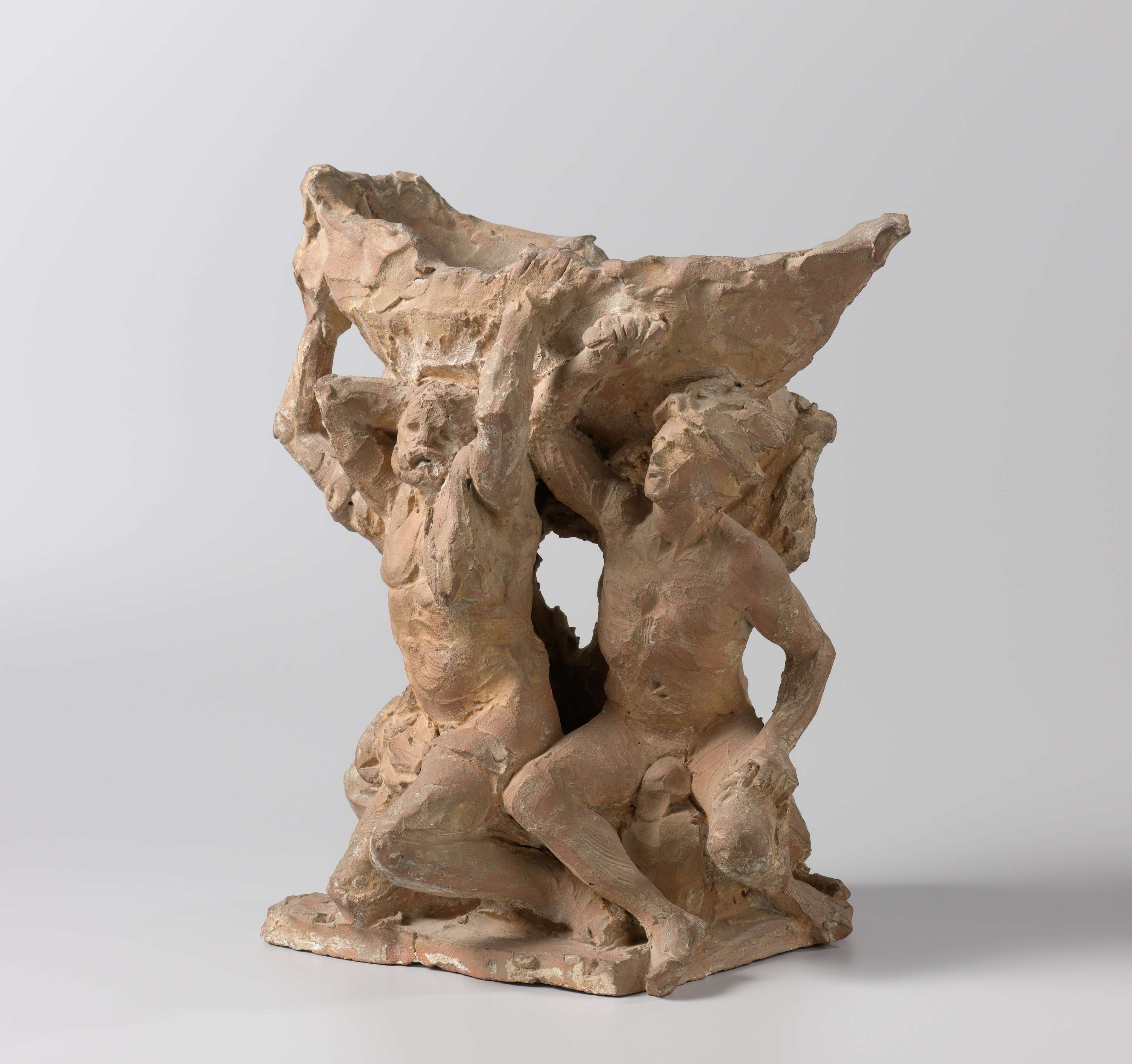
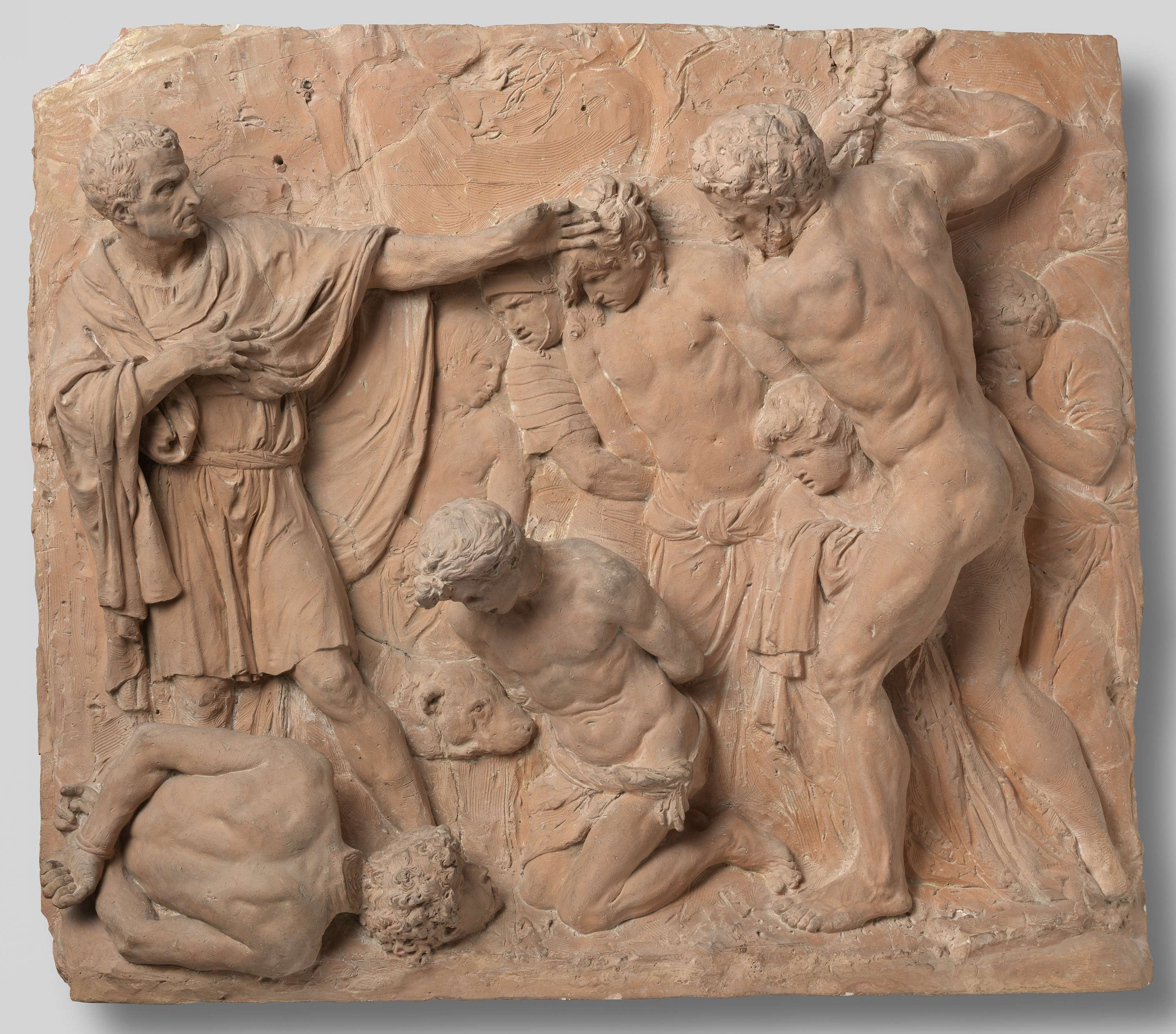
Could beauty survive in a century of chaos? This question lingers in the air like the echoes of whispered betrayals, beckoning the viewer to confront the turmoil beneath the surface. At first glance, the composition draws you in with its dynamic tension. Notice how the swirling forms entwine with one another, their movements captured in a moment of violent energy. The bold strokes and contrasting colors breathe life into the scene, while shadows merge with brilliant highlights, creating a visceral sense of urgency that feels almost palpable.
Focus on the center where figures collide, each gesture a testament to the chaotic emotions that seem to erupt from the canvas. Upon closer inspection, the tumultuous expressions reveal deeper layers of conflict. The juxtaposition of the smooth, flowing lines with jagged edges embodies the struggle between beauty and turmoil, reflecting a world where trust is as fragile as the delicate skin of the figures. Each element carries the weight of betrayal—friends turned foes, lovers clashing in a moment of desperation.
This intricate dance of chaos and fragility captures the viewer's imagination, inviting them to explore the complexities of human relationships. Created in the years following 1648, during a time of political upheaval and uncertainty in Europe, the artist channeled the turbulence of his surroundings into this work. Residing in the Netherlands, he was influenced by the Baroque movement's emphasis on emotion and movement. As the tumult of war cast shadows over society, the piece emerged as a poignant reflection of a world grappling with its own contradictions, showcasing the artist's mastery in transforming chaos into a striking visual experience.