Gripsholms slott — History & Analysis
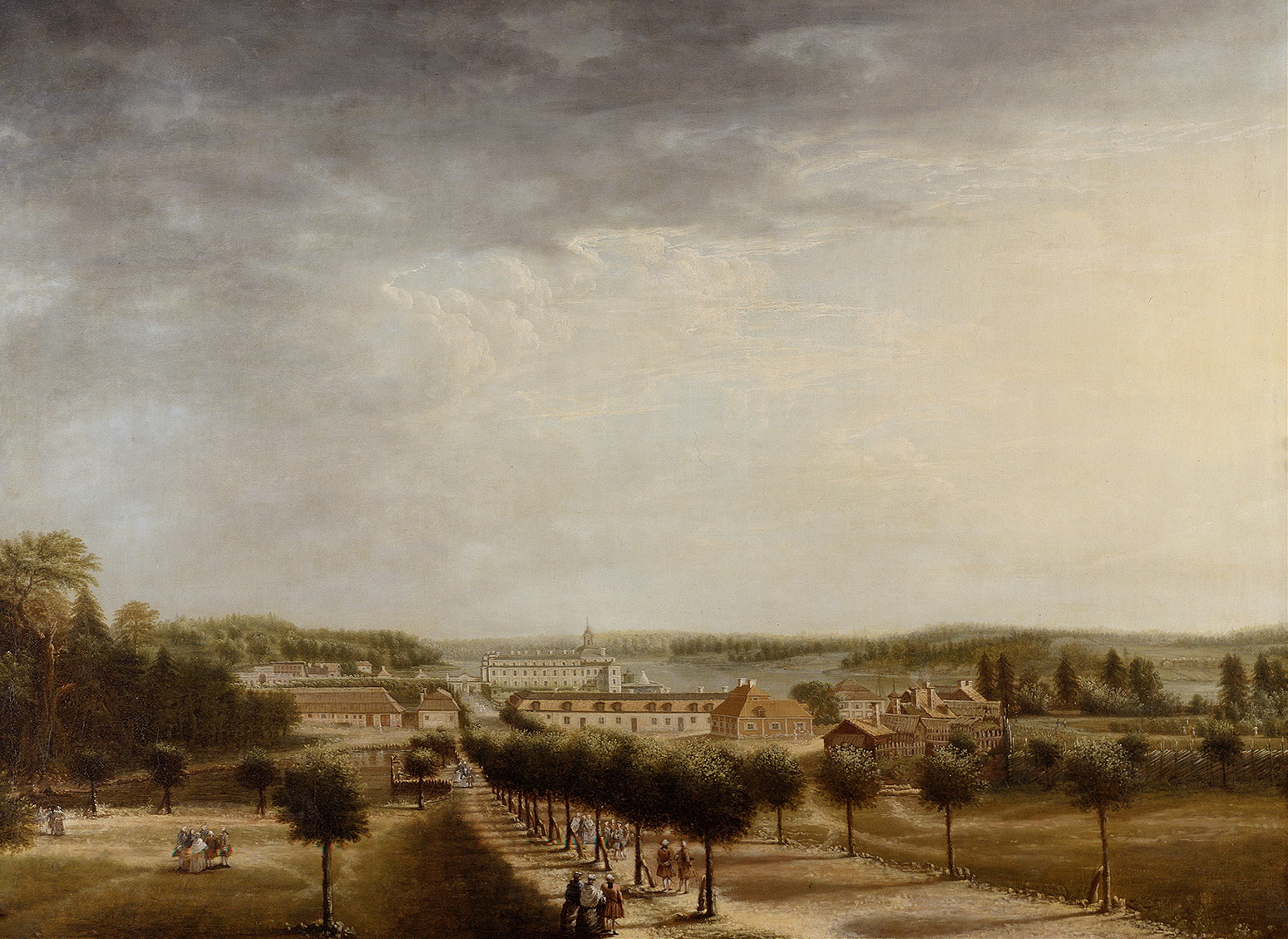
What if beauty was never meant to be finished? In Gripsholms slott, this notion resonates through the graceful layers of desire reflected in the architecture and the natural landscape surrounding it. Look closely at the foreground, where the soft ripples of water reflect the imposing yet elegant structure of the castle. Notice how the light dances upon the surface, creating a shimmering pathway that invites the viewer’s gaze.
The careful brushwork captures both the brute strength of the stone and the delicate flutter of the foliage, blending the man-made and the natural in a harmonious embrace. The color palette, dominated by cool blues and warm earth tones, evokes a sense of tranquility, drawing one deeper into the serene atmosphere. Beneath the surface, there lies a tension between permanence and transience, embodied in the juxtaposition of the sturdy castle and the ephemeral play of light on water. The reflections may suggest a longing for what cannot be grasped; the beauty of the scene lies not only in its visual splendor but also in what is fleeting.
This duality of desire is echoed in the small, almost hidden details—a bird in flight, a distant figure—reminding us of life that continues beyond the frame. Johan Sevenbom painted this work in 1759, a time when Sweden was exploring its cultural identity amidst the shifting tides of European art. Working in Stockholm, he captured the essence of neoclassical elegance that was permeating the artistic landscape, blending it with a uniquely personal touch. This period marked a significant moment in his career, as he sought to balance the ideals of beauty with the complexities of human longing.