In the Park — History & Analysis
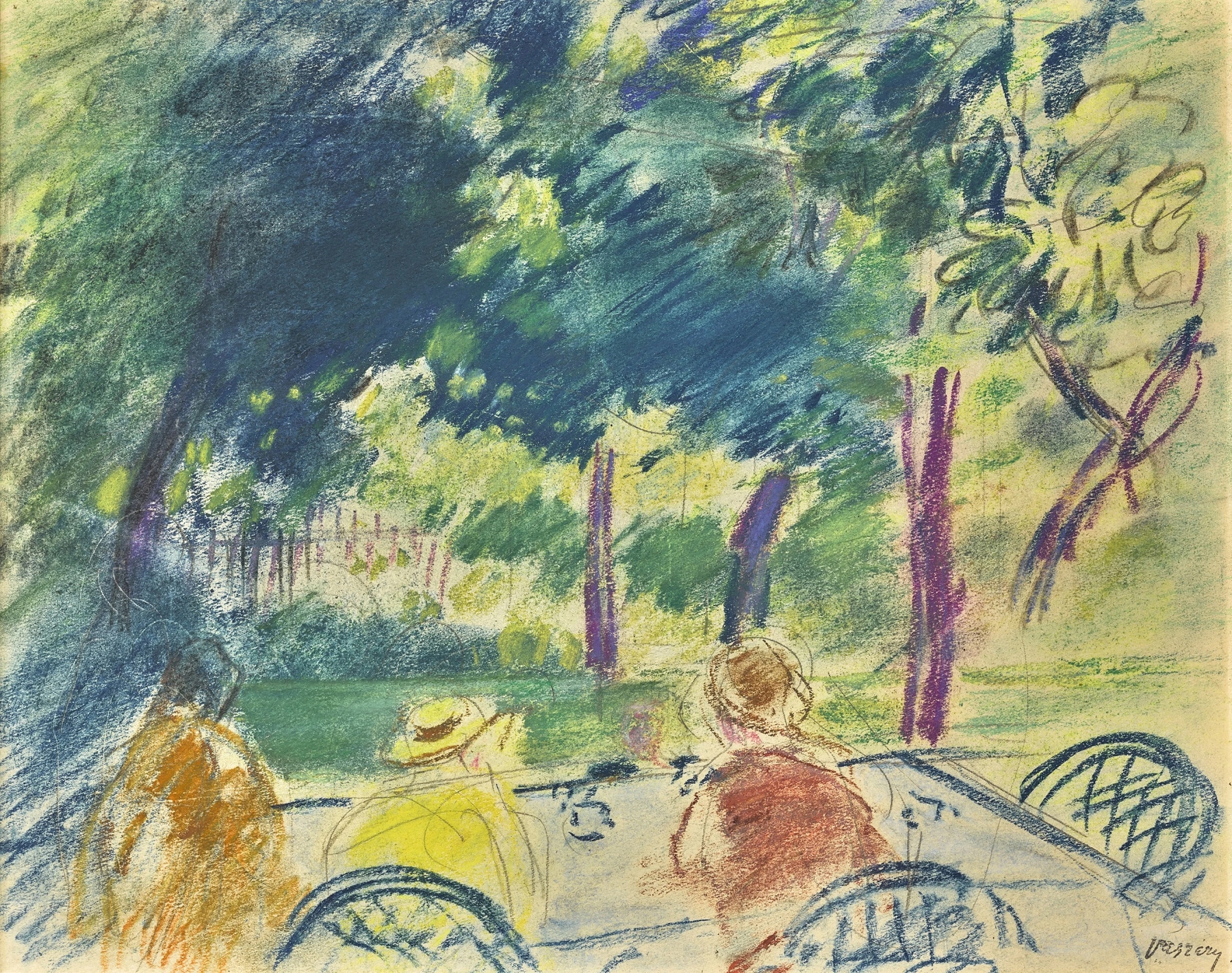
“Art reveals the soul when the world turns away.” It captures the essence of memory, a fleeting whisper, and the moments we hold dear. In the dance of color and form, we find the echoes of our past, inviting us to linger just a little longer. Look to the left at the gentle curve of the park path, which draws your eye inward, inviting you to take a stroll beside the figures that dot the landscape. Notice how the dappled sunlight filters through the foliage, creating a patchwork of light and shadow that dances upon the ground.
The soft hues of green and the playful touches of ochre breathe life into the scene, while the meticulous brushwork captures the playful energy of the park—each stroke reminiscent of a carefree afternoon. The figures, although small, are imbued with emotion; a couple shares a quiet moment, their body language whispering secrets of intimacy against the backdrop of nature. The juxtaposition of their stillness against the vibrancy of the surroundings speaks to the tension between human connection and the larger, chaotic world.
In the background, a distant child is lost in play, symbolizing the delicate balance between innocence and the passage of time, evoking feelings of nostalgia within the viewer. Created in the early 20th century, this work emerged during a time when János Vaszary was exploring the shifting norms of modern life. The artist, known for his ability to blend impressionism with a distinct narrative quality, found inspiration in the everyday life of Budapest, reflecting a world on the cusp of change, seeking beauty in simplicity amidst the turmoil of the era.