In the Simplon Valley — History & Analysis

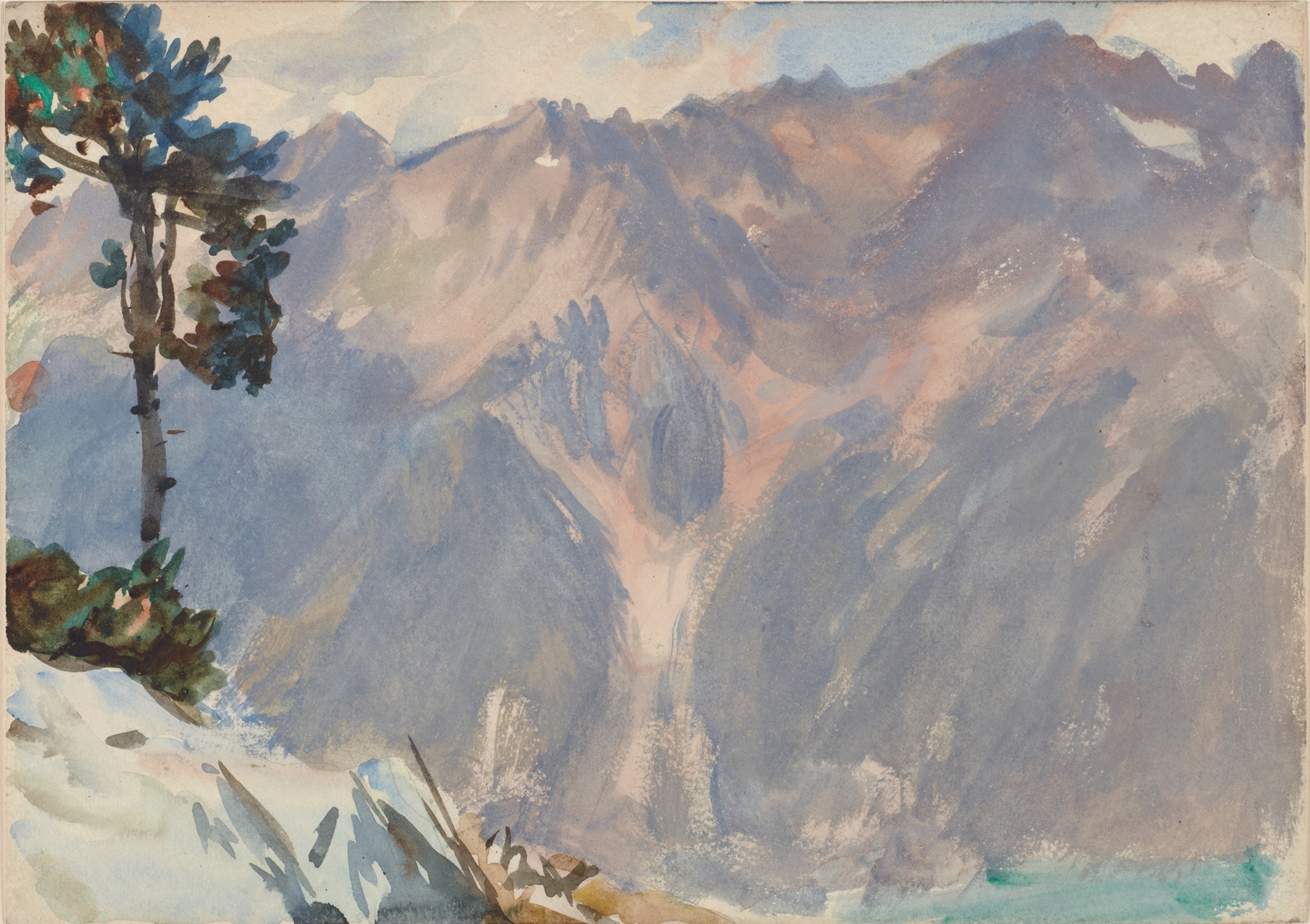
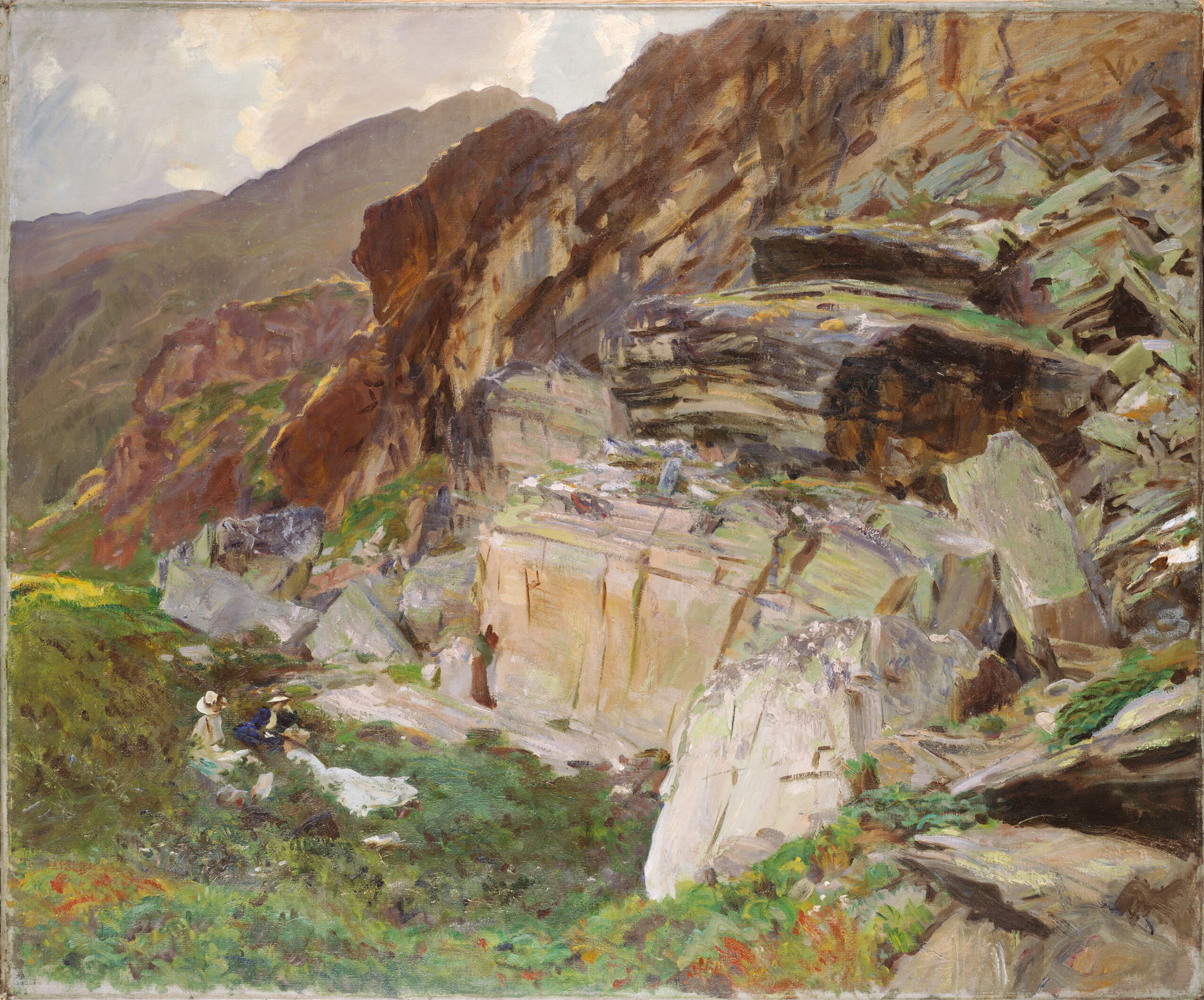
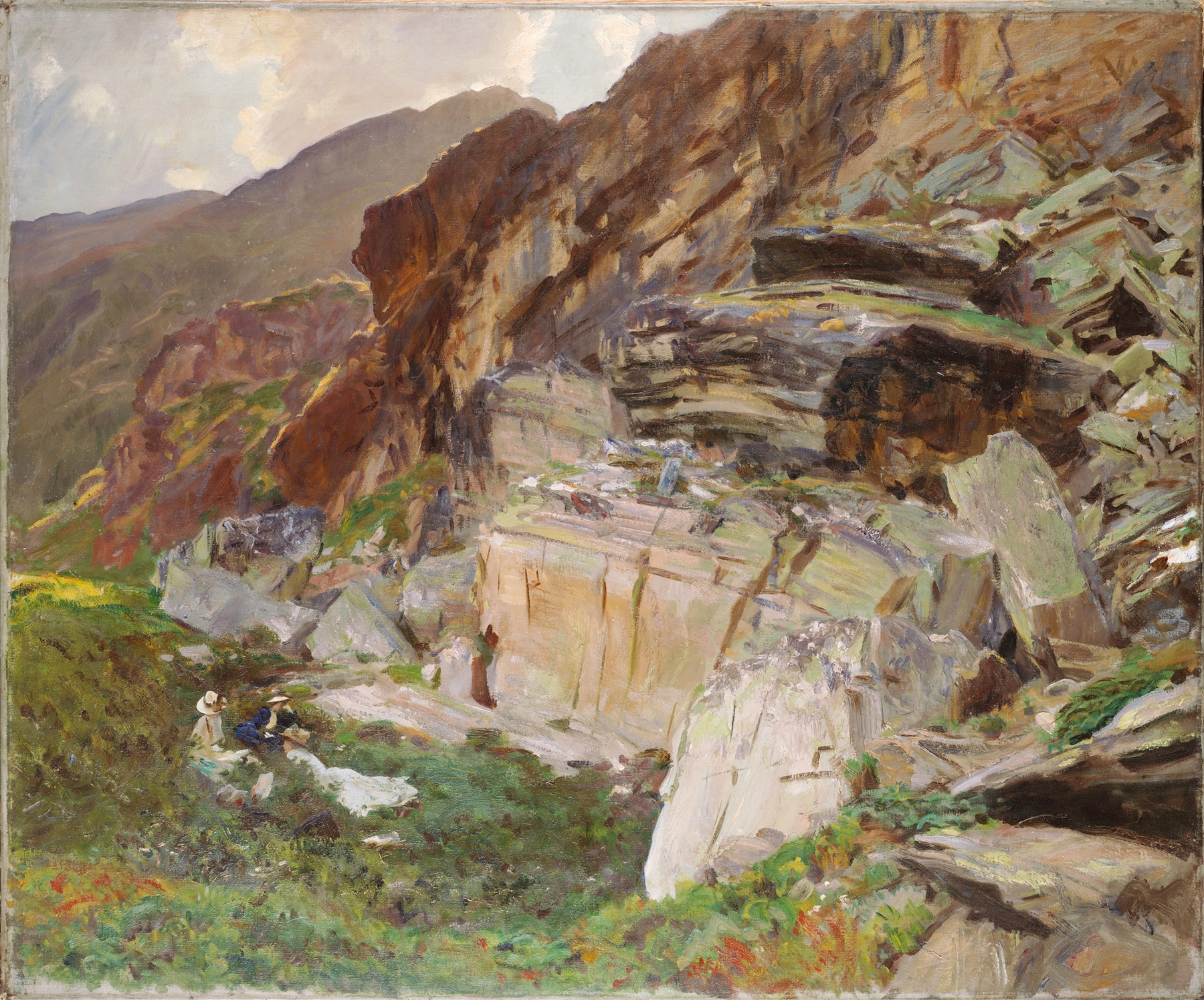
“Every silence here is a confession.” In the quiet embrace of nature, we find ourselves contemplating the transient beauty of life and the inevitability of mortality. Look to the center of the canvas, where a lush, winding valley reveals itself, cradled by majestic mountains that loom like ancient sentinels. The soft, diffused light captures the vibrant greens of the foliage, contrasting delicately with the deep blues and grays of the distant peaks. Sargent orchestrates a harmonious blend of brushstrokes, allowing the viewer's gaze to wander along the gentle contours of the hills and valleys, inviting a sense of peace and introspection.
Amidst the serenity, there is an underlying tension in the stillness. The vibrant life portrayed in the valley serves as a poignant reminder of its impermanence. A solitary tree, with its gnarled branches, stands resilient yet vulnerable, symbolizing the struggle against time and decay. The interplay between light and shadow emphasizes the duality of existence, where beauty and transience coexist.
Each element within the composition speaks to the quiet confessions of nature, whispering of life’s fleeting moments. During the years between 1909 and 1911, the artist painted this piece while residing in Europe, grappling with personal loss and a changing art world. This period marked a shift toward more expressive landscapes, as Sargent sought to capture the emotional resonance of his surroundings. The work reflects his masterful command of color and light, as well as his desire to convey deeper truths about life, death, and the profound silence that surrounds us all.