Interior of a Gothic Cathedral — History & Analysis
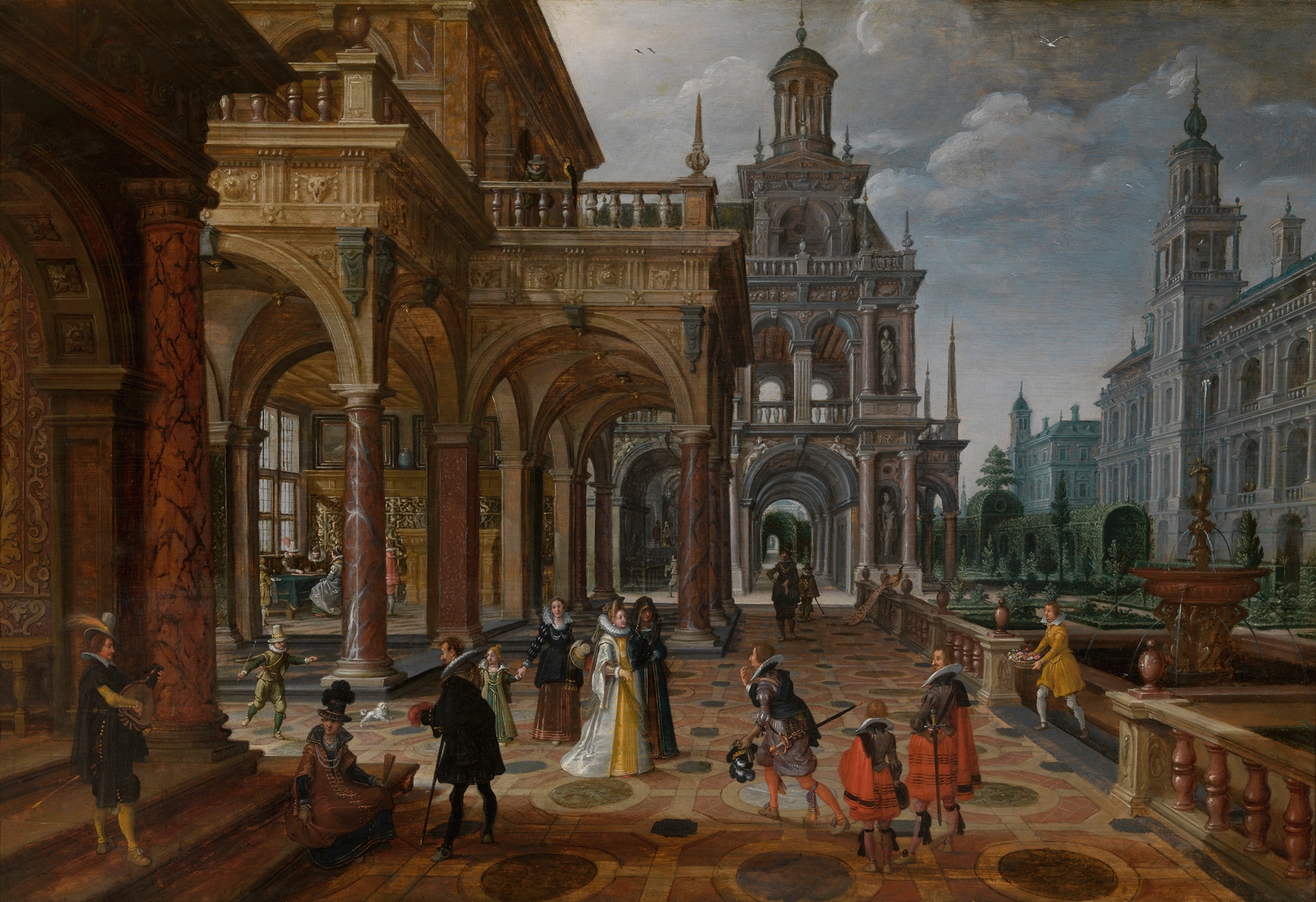
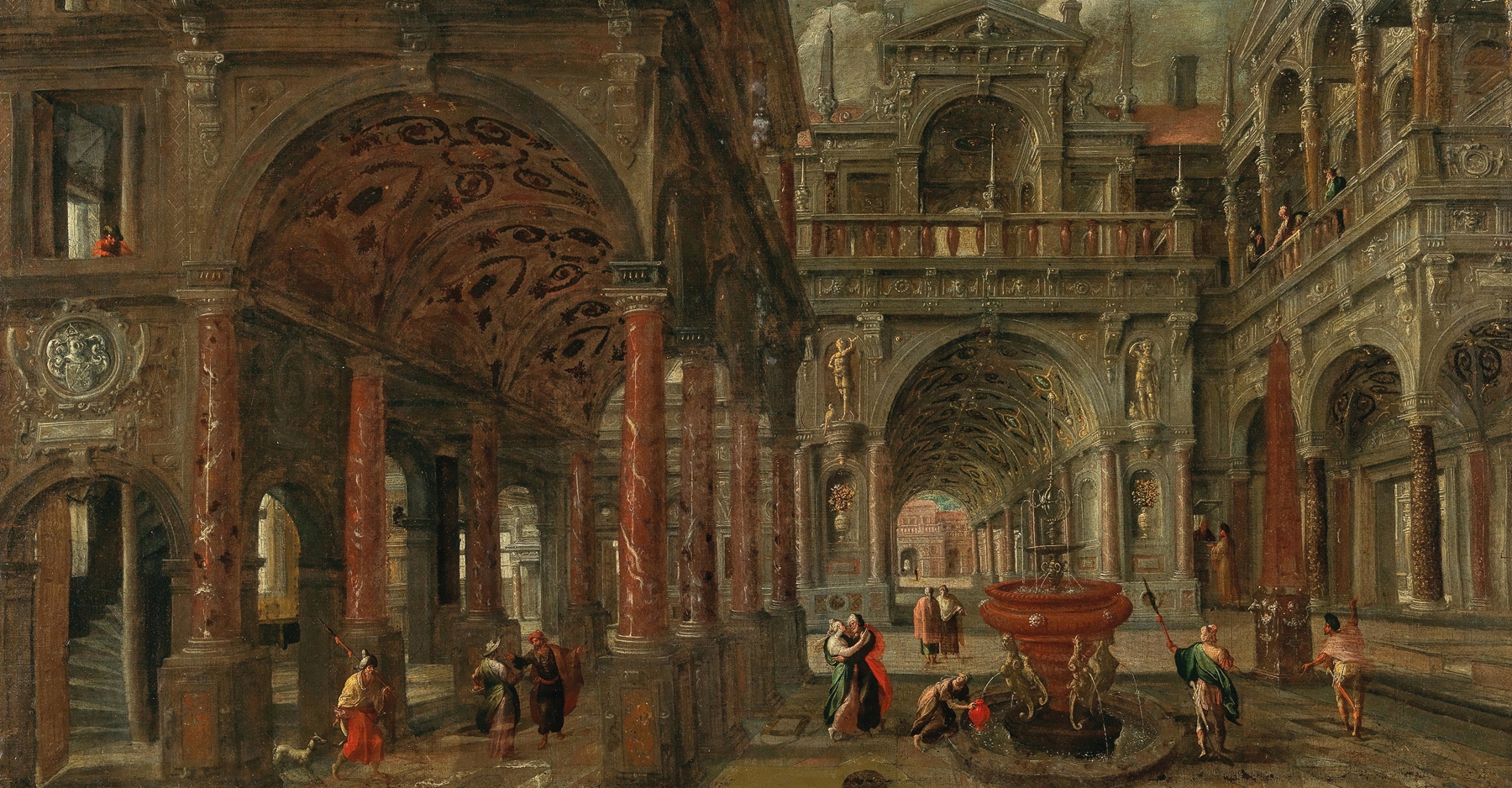
What if silence could speak through light? In Interior of a Gothic Cathedral, the stillness of the vast space invites a profound awakening, revealing the sacredness deeply embedded in solitude. Look to the towering columns that stretch upward, guiding your gaze toward the intricately vaulted ceiling. Notice how the light filters through ornate stained glass, casting colorful patterns onto the cold stone floor, creating a vivid tapestry that breathes life into the stark tranquility.
The meticulous details of the architecture, from the delicate arches to the robust supports, form a harmonious balance between strength and grace, highlighting the artist's reverence for the monumental beauty of sacred spaces. In this masterpiece, contrasts emerge between light and shadow, echoing the interplay of the divine and the earthly. Each beam of light becomes a whisper of faith, while the shadows cling to the edges, suggesting the mysteries hidden within these ancient walls. The emptiness of the nave speaks to both isolation and sanctity, inviting contemplation and reflection on the nature of existence within such an awe-inspiring setting.
Created in 1612, this work marked a pivotal moment for Paul Vredeman de Vries, who was immersed in the baroque tradition of the time. Living in the Netherlands, he was influenced by the interplay of light and architecture, a period when artists were exploring realism and perspective with fervor. This painting stands as a testament to his mastery of these elements, revealing a world where both the spiritual and the architectural converge.