Klokkenhuis van de Westerkerk — History & Analysis
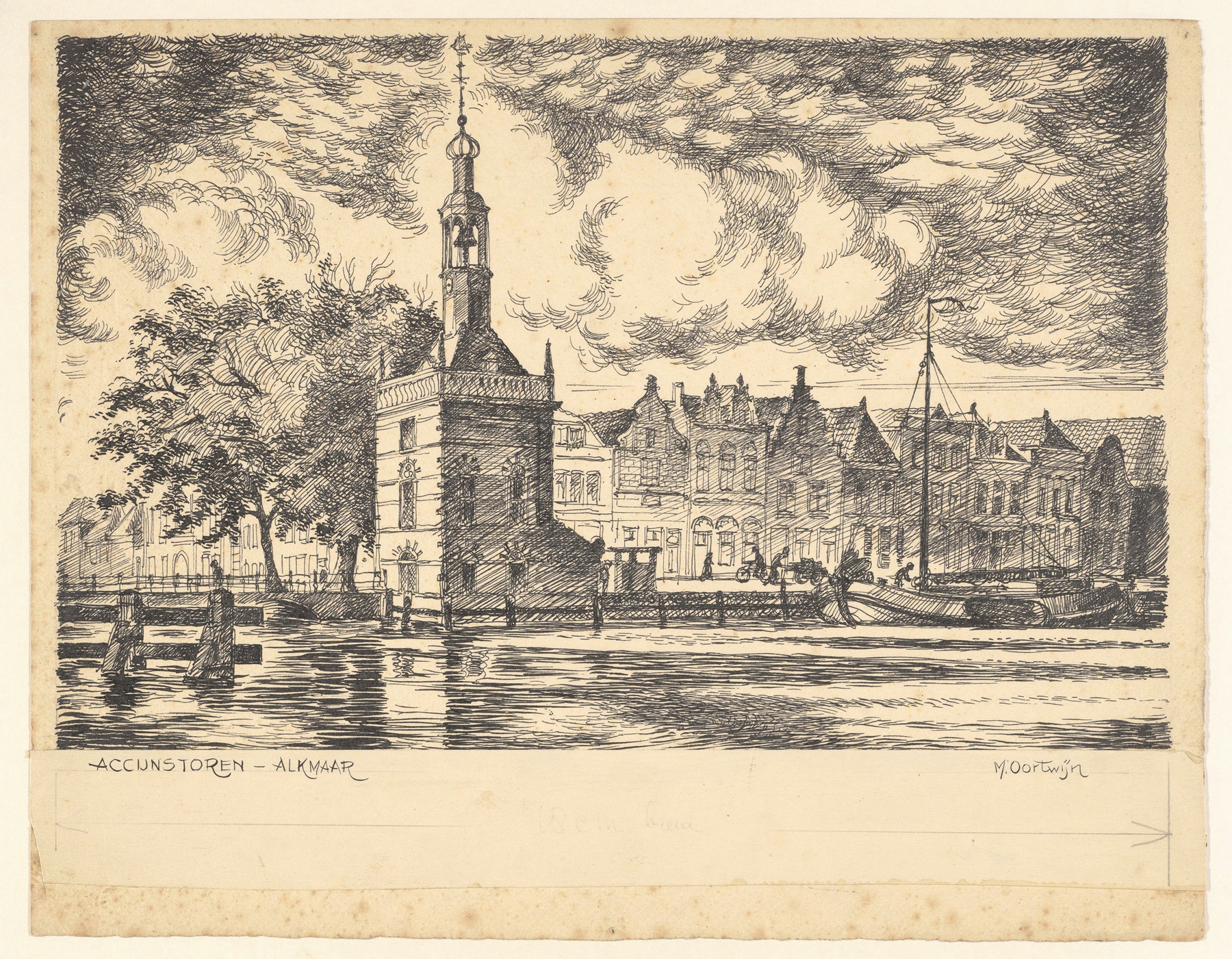
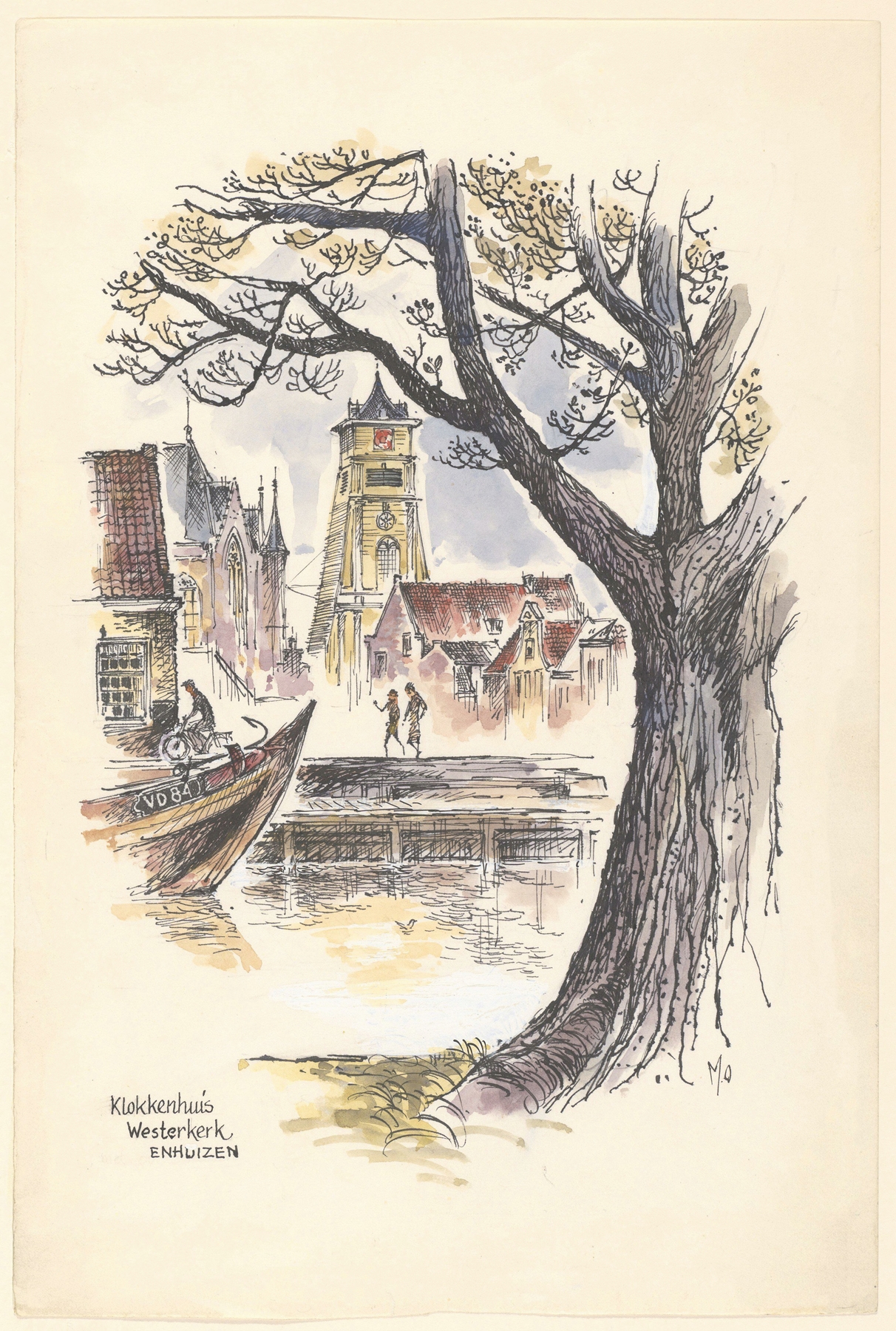
“Under the brush, chaos becomes grace.” In the world of dreams, reality bends and morphs, revealing layers unseen. Focus first on the swirling lines that form the tower of the Westerkerk, where the façade seems to breathe, teetering between solidity and the ethereal. The artist employs a palette of muted earth tones contrasted with vibrant blues, creating a haunting balance that draws the viewer in. Notice how the light dances across the surface, illuminating certain angles while casting others into shadow, as if the scene is caught in a fleeting moment of twilight. Hidden within the artist's brushwork lies a dialogue of nostalgia and hope. The juxtaposition of the sharp architectural lines against the fluid strokes suggests a longing for stability amidst the chaos of life. Each stroke carries an emotional weight, from the vibrant azure sky—symbolic of dreams and aspirations—to the soft browns that ground the viewer in reality. There is a tension between the tangible and the abstract, inviting a contemplative exploration of what lies beyond the visual realm. During the late 1950s, when this piece was likely created, Maarten Oortwijn was navigating the dynamic post-war art scene in the Netherlands. This era was marked by a search for identity and meaning, as artists experimented with abstraction and expressionism. Oortwijn’s work reflects this cultural landscape, capturing both the essence of architectural beauty and the dreamlike quality of his own artistic journey, paving the way for future explorations in contemporary art.