Makelaarsstokje uit 1828 — History & Analysis
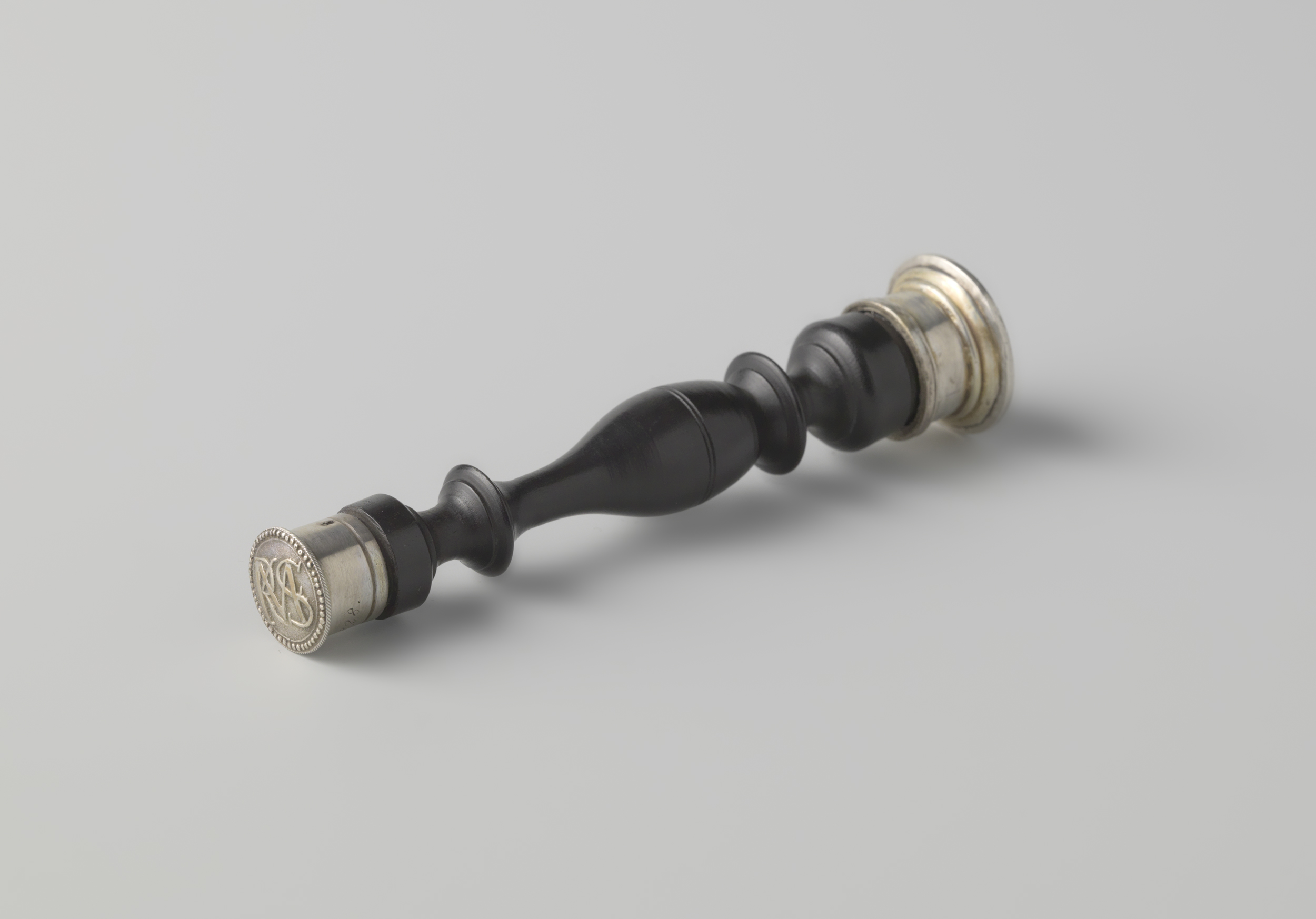
Could a single brushstroke hold eternity? In Makelaarsstokje uit 1828, a simple object becomes a portal to the complexities of human experience, revealing truths that resonate beyond its surface. Focus on the delicate textures of the paint, where luminous highlights dance over the polished wood of the agent's stick. The artist’s meticulous attention to detail invites you to examine the faint reflections and subtle play of light, creating a mesmerizing interplay of shadow and brilliance. Notice how the rich, earthy tones blend seamlessly, evoking a sense of warmth and familiarity, while the slight imperfections in the surface hint at a story waiting to be told.
Within the stillness of this composition lies a profound emotional tension. The agent's stick, a mere tool of trade, embodies aspirations, dreams, and the weight of human transactions. Its placement suggests a moment paused in time, where ambition intersects with reality, inviting contemplation about the lives behind the commerce. Each stroke speaks of the artist's reverence for the ordinary, transforming it into a vessel of revelation, a reminder that even mundane objects carry untold narratives.
In 1828, weduwe H. de Groot created this work during a significant period in her career, marking her emergence as a notable figure in Dutch art. At the time, she was navigating the challenges of a male-dominated art world while embracing her identity as a widow and artist. This piece reflects not only her technical prowess but also the evolving landscape of society and commerce, as the burgeoning trade in art and objects began to flourish in a rapidly changing Europe.