Mary Praying — History & Analysis
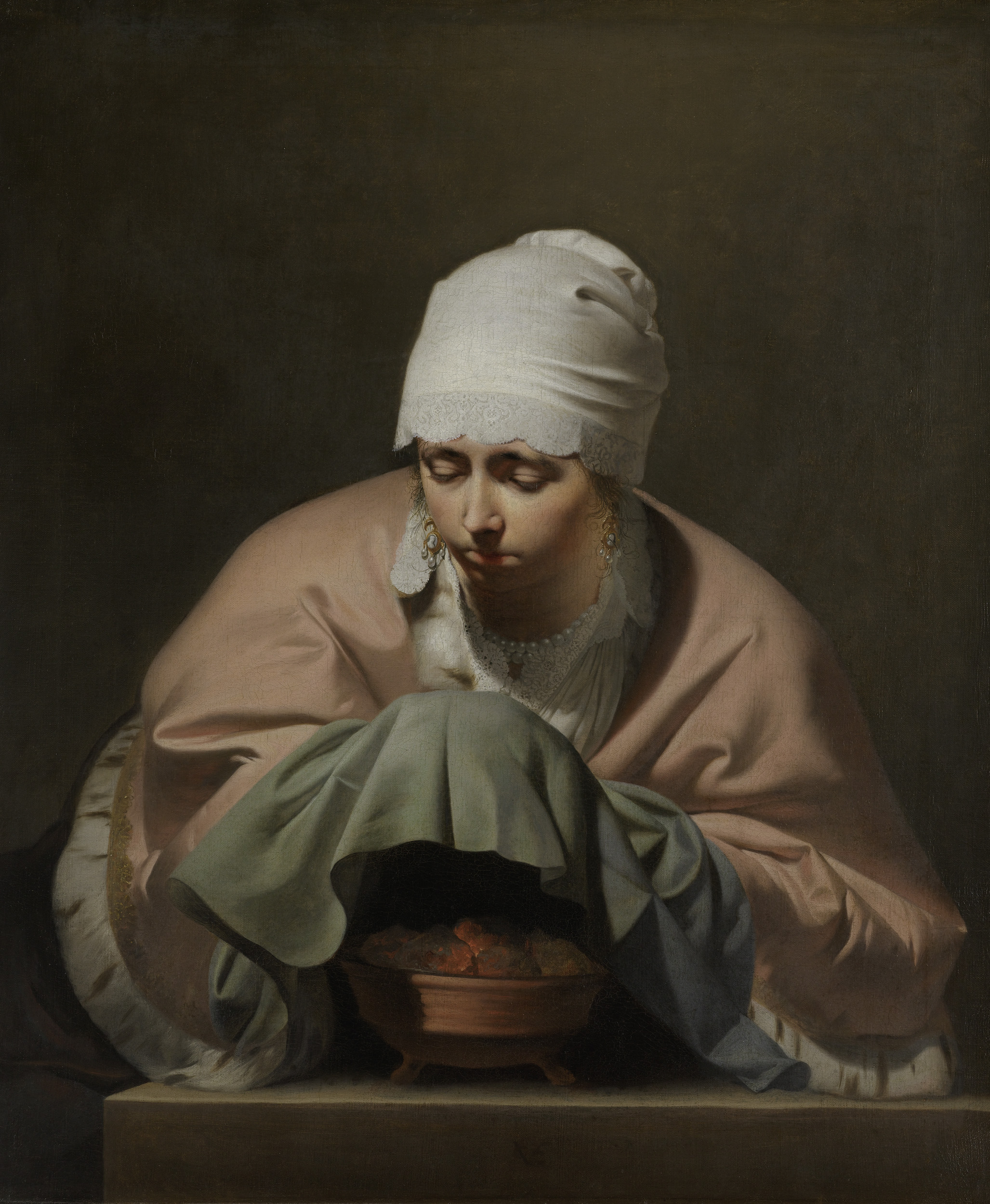
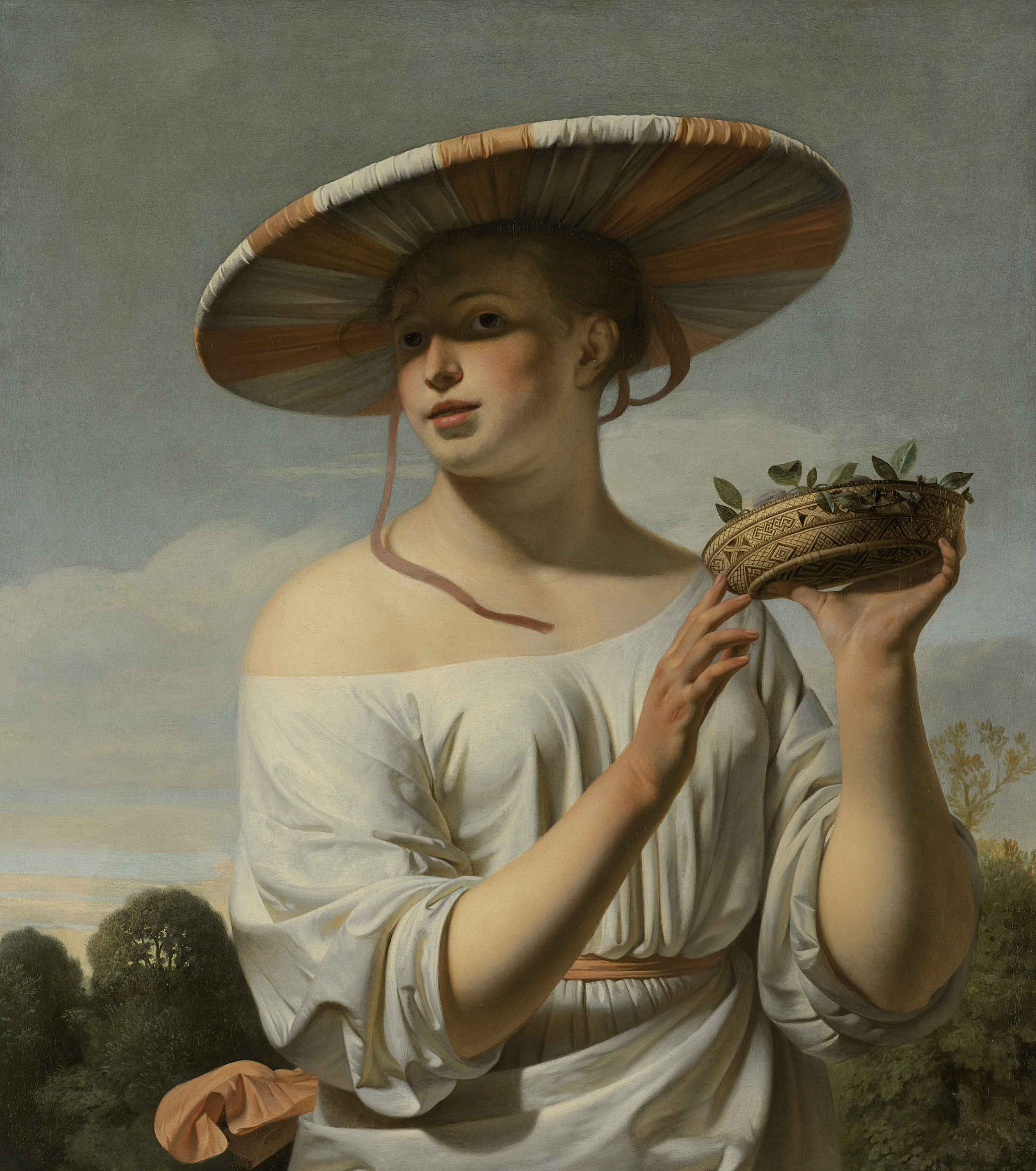
What if silence could speak through light? In Mary Praying, a soft halo envelops the figure of the Virgin Mary, illuminating her serene visage and imbuing the moment with a profound sense of rebirth. The quiet intensity of her prayer transcends words, inviting the viewer to contemplate the sacred and the personal. Look to the left at the delicate interplay of light and shadow that caresses her face, highlighting the gentle folds of her clothing. Notice how the colors—muted blues and warm earth tones—set a tranquil yet contemplative mood.
The artist employs a subtle chiaroscuro technique, allowing the shadows to ground Mary while the light seems to lift her spirit, creating a bridge between the earthly and the divine. This careful arrangement draws the eye first to her expression, then to the surrounding elements that support her moment of devotion. As you delve deeper, consider the significance of her outstretched hands, a gesture that conveys both vulnerability and strength. The softness of her features suggests a maternal warmth, while the flickering candle in the background symbolizes faith and the eternal flame of hope. This tension between stillness and fervor encapsulates the essence of prayer, suggesting a connection to something greater.
The interplay of light and shadow serves not only as a visual element but also as a metaphor for the journey from doubt to faith, from darkness to enlightenment. Caesar van Everdingen painted Mary Praying during a period marked by religious fervor and artistic exploration in the Netherlands, around 1650 to 1661. This era witnessed a shift towards more intimate and personal expressions of spirituality in art, reflecting the broader cultural landscape of the time. The artist, known for his adeptness in capturing emotion and atmosphere, was influenced by the Counter-Reformation, which emphasized the importance of personal piety. This work is a testament to that spiritual quest, resonating deeply with viewers seeking solace and connection.