Discover insights about this artwork
Medusa — History & Facts
In Medusa, Caravaggio presents a striking image of the mythical figure, Medusa, with her snake hair and intense gaze. The colors are rich, with deep greens and golds contrasting against the pale skin of Medusa. The background is dark, enhancing the dramatic effect and focusing attention on her face.
The expression is one of horror and despair, capturing the moment of her transformation. This painting is executed in oil on canvas, a common medium for Caravaggio. The dimensions are approximately 90 x 75 cm, making it a relatively large piece that demands attention. The use of chiaroscuro is prominent, with sharp contrasts between light and dark that highlight Medusa's features.
Viewers can observe the intricate details in the snakes and the texture of her skin. Caravaggio painted Medusa around 1595, during a time when he was exploring themes of violence and emotion. This work is notable for its dramatic intensity and the realistic portrayal of mythological subjects. Interestingly, it was originally created as a shield decoration, reflecting the warrior-like qualities associated with Medusa.
This piece exemplifies the Baroque style, characterized by its emotional depth and dynamic compositions.
More Artworks by Caravaggio

Saint Matthew and the angel
Caravaggio

Portrait of a gentleman (Scipione Borghese)
Caravaggio

Madonna and Child with Saint Anne
Caravaggio

Portrait of Pope Urban VIII
Caravaggio

Sacrifice of Isaac
Caravaggio
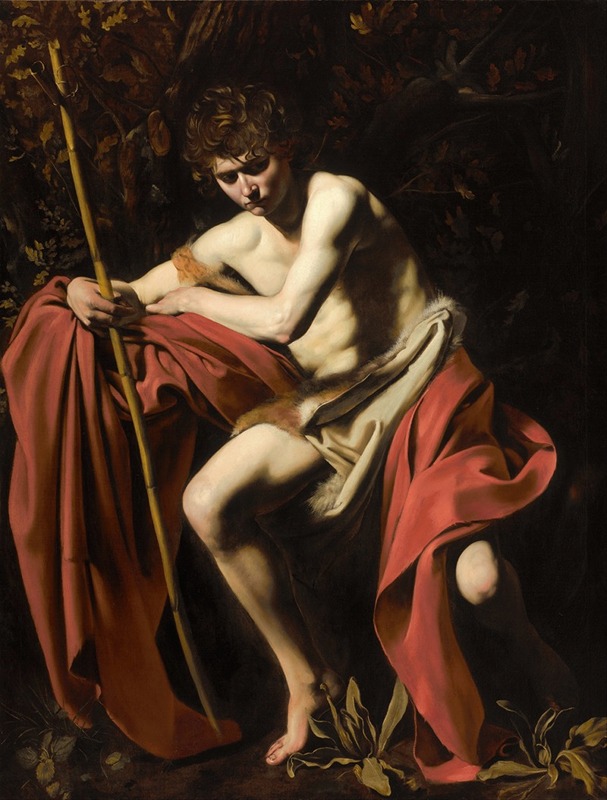
Saint John The Baptist In The Wilderness
Caravaggio

Supper at Emmaus
Caravaggio
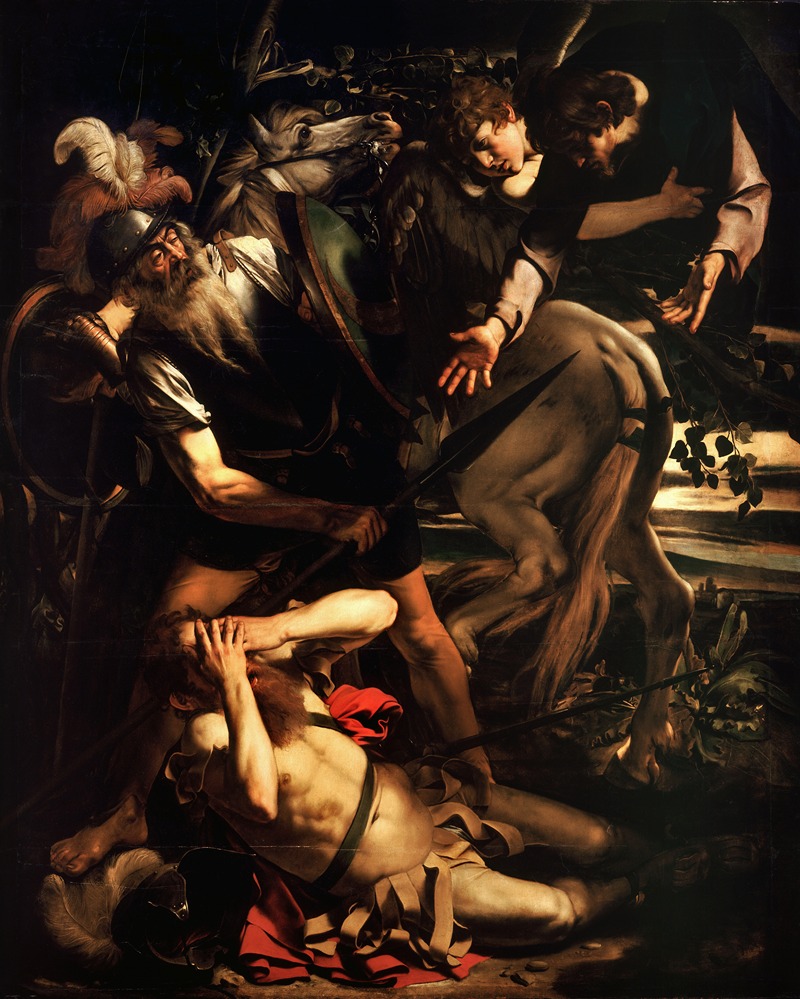
The Conversion of Saint Paul
Caravaggio
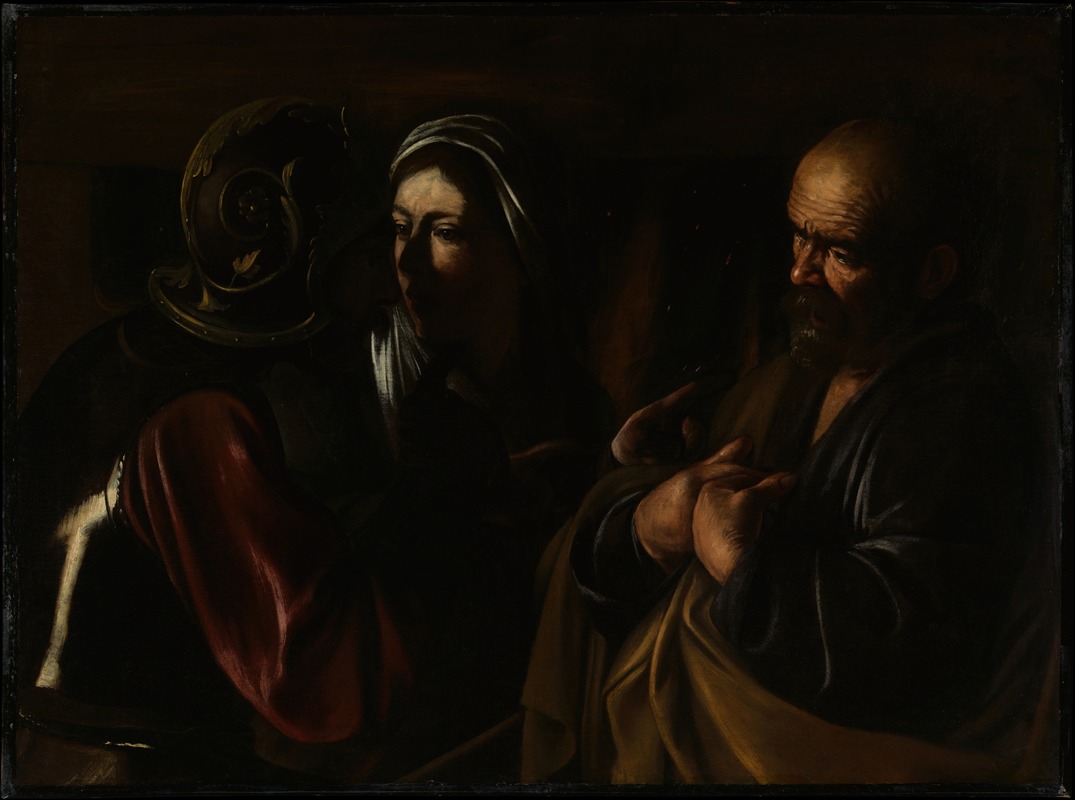
The Denial of Saint Peter
Caravaggio
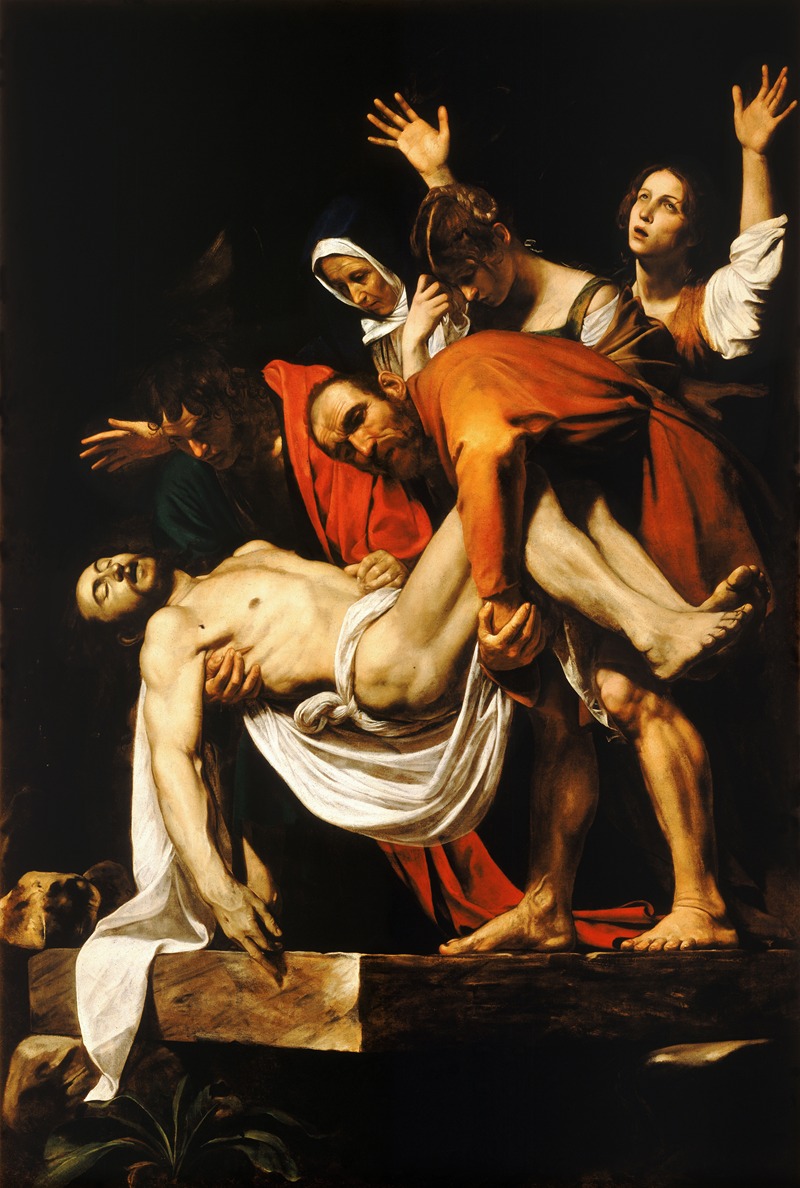
The Entombment of Christ
Caravaggio