Monte Rosa from Hornli, Zermatt — History & Analysis

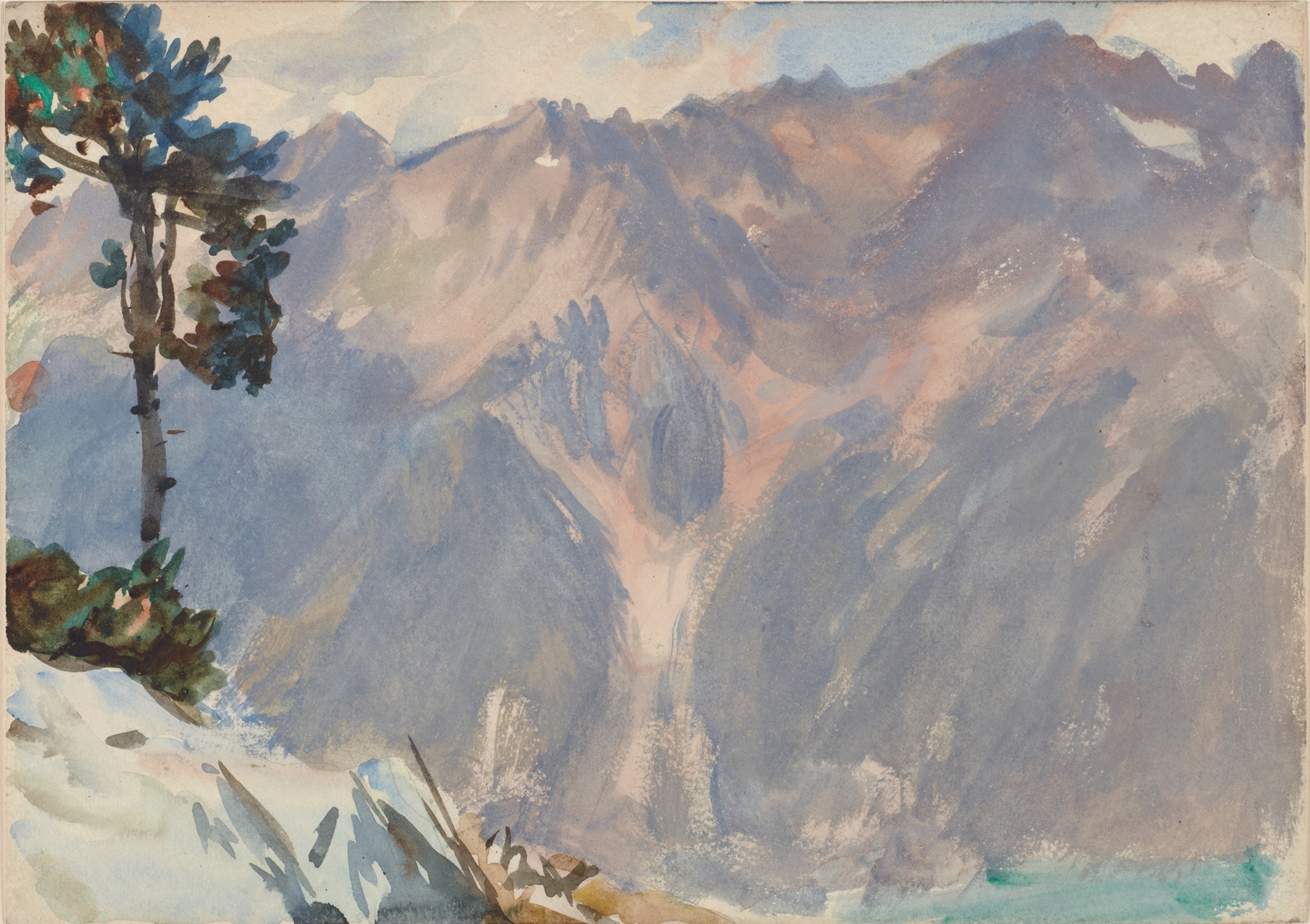
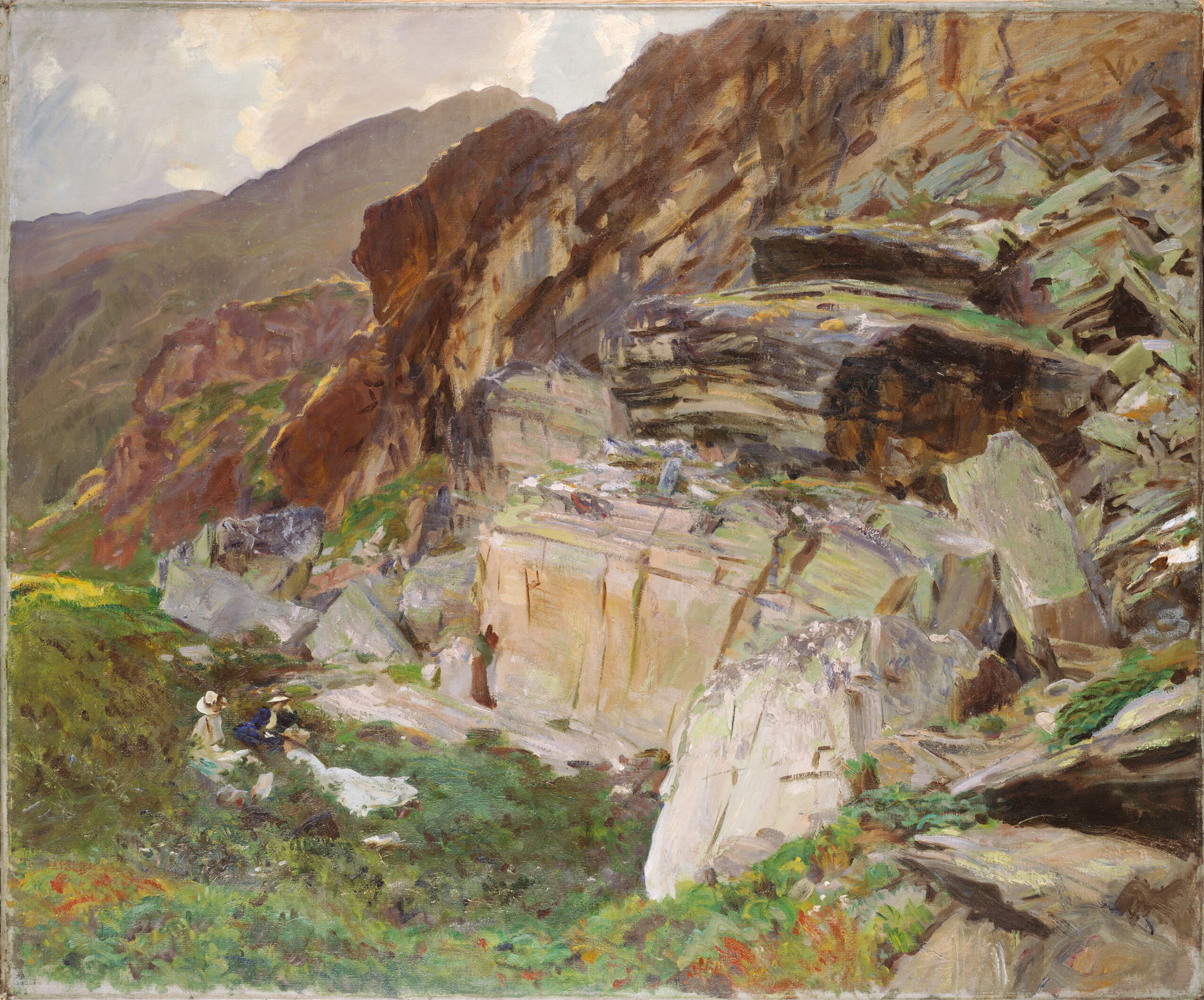
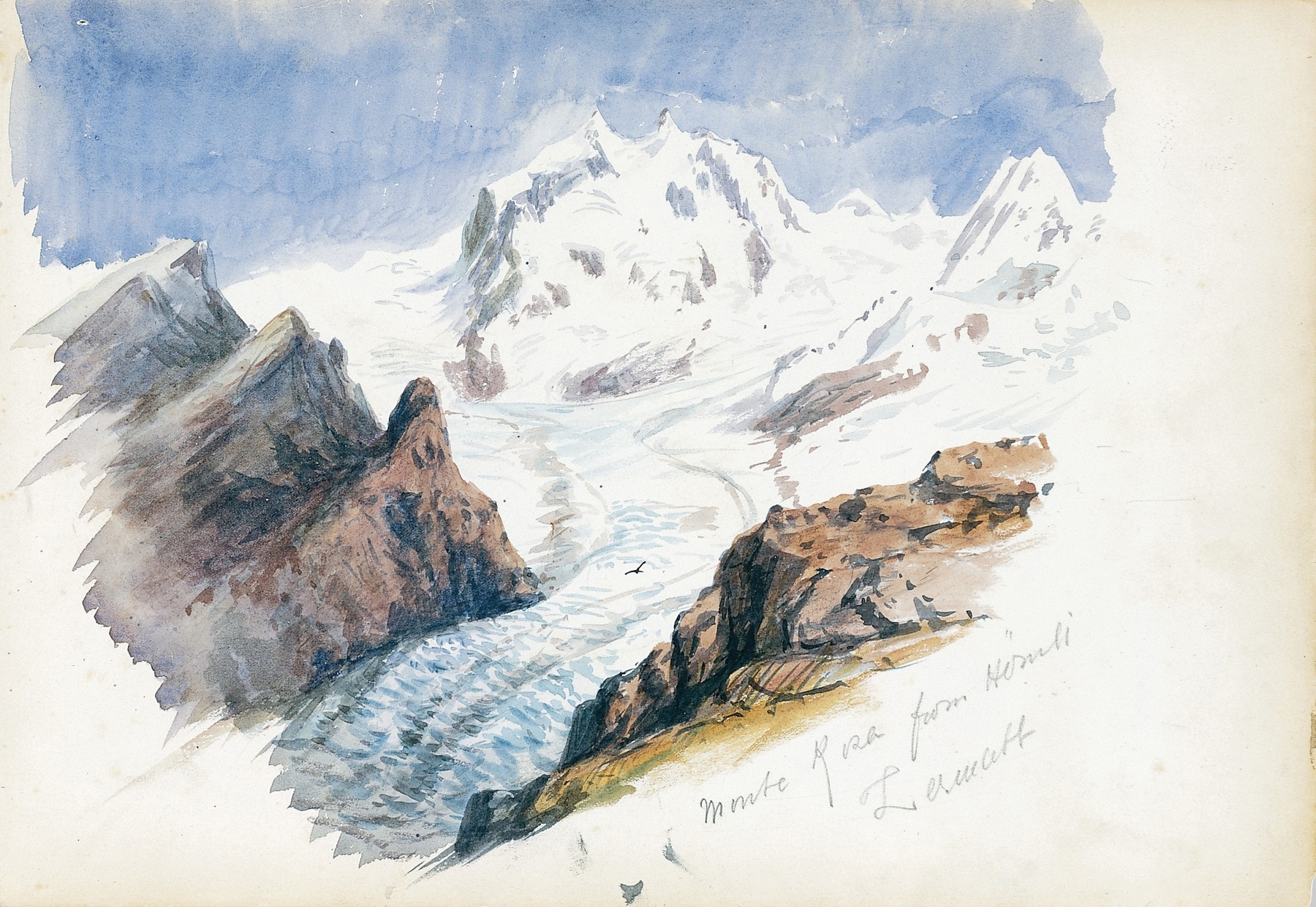
“Between color and silence, truth hides.” In a world often drowning in noise, there exists an ecstasy found in the quiet whispers of nature. The art of capturing such moments allows us to connect with the sublime, breathing life into stillness. Look to the sweeping expanse of the canvas, where the majestic peaks of the Monte Rosa rise dramatically against a tenderly painted sky. Notice how the light dances upon the snow-capped summits, illuminating intricate details and casting fleeting shadows across the rugged terrain.
The subtle gradients of blues, whites, and soft pastels invite the eye to marvel at both the grandeur of the mountain and the delicate brushwork that reveals Sargent's mastery of color and texture. Within this landscape, contrasts abound; the solidity of the mountains juxtaposed with the ethereal quality of the atmospheric clouds suggests a dialogue between permanence and transience. The viewer is drawn to the small, almost humbling hints of life scattered at the base—a reminder of humanity’s insignificance in the face of nature’s vastness. This composition evokes a yearning for connection, inciting both exhilaration and introspection as one contemplates the scenes that lie beyond the canvas.
In 1870, John Singer Sargent painted this piece while traveling in Switzerland, a time when he was experimenting with outdoor oil studies. Eager to break away from traditional academic constraints, he sought to capture the beauty of the natural world, paving the way for his future success as one of the leading portraitists of his era. The work reflects a transitional phase in his artistic journey, where he began to embrace the interplay of light and landscape, enhancing his own artistic voice.