Notre Dame — History & Analysis
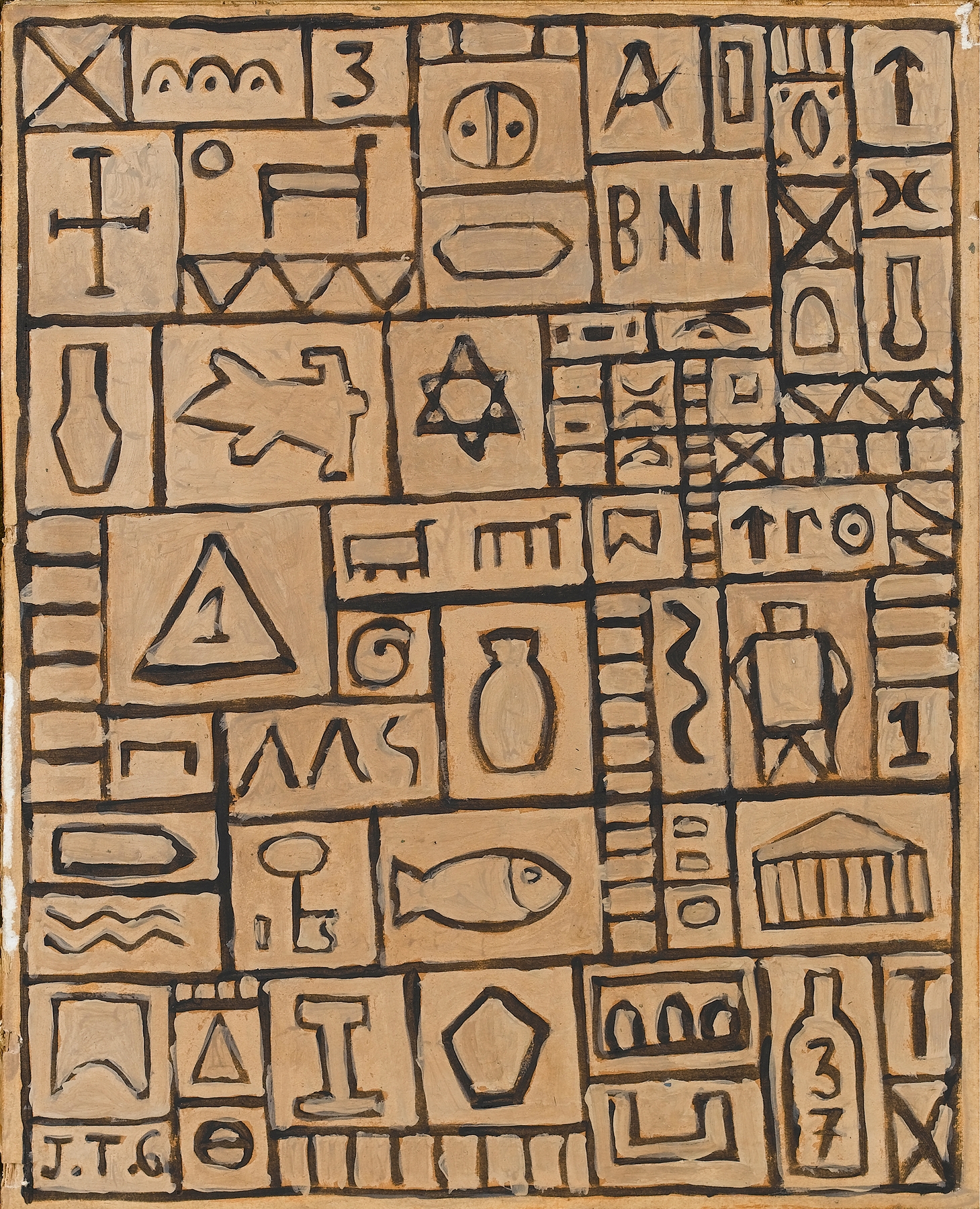
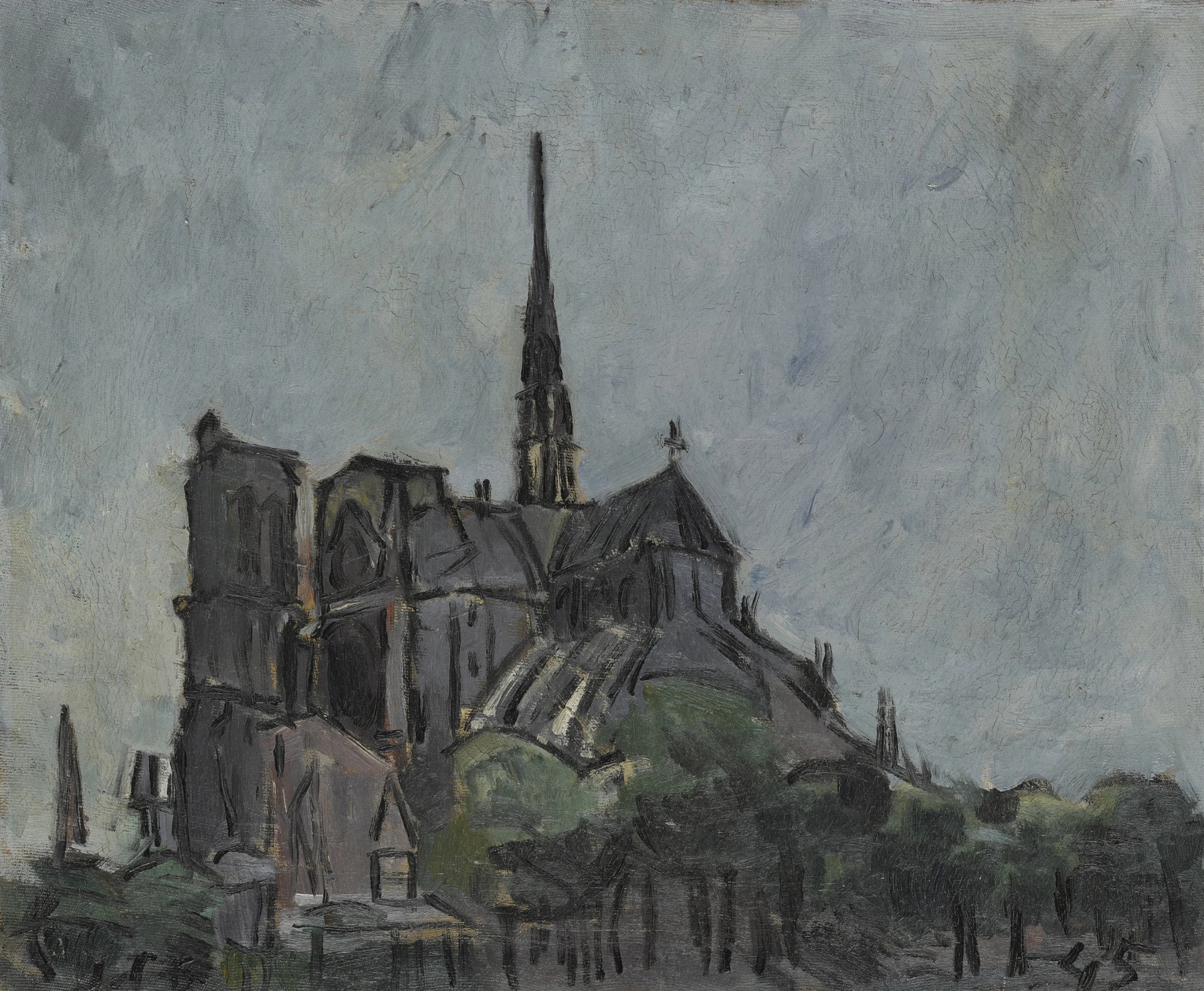
Who listens when art speaks of silence? In Notre Dame, the chaos of life intertwines with the serene, urging us to confront the dissonance that lies beneath the surface. Begin with the intricate labyrinth of lines that crisscross the canvas, drawing the eye into a complex interplay of shapes and forms. Look to the center where the iconic silhouette of the cathedral rises, a beacon amidst the abstract chaos, its spires etched in dark hues against a backdrop of muted colors.
Notice how the soft, muted color palette evokes a sense of nostalgia, while the geometric precision contrasts with the fluidity of the surrounding forms, creating a dialogue between structure and disorder. There is an emotional tension in the juxtaposition of the monumental and the fragmented. The cathedral, a symbol of faith and permanence, stands resilient against a whirlpool of chaotic brushstrokes, suggesting a conflict between stability and turmoil. Hidden within the overlapping forms, one may catch glimpses of human figures, evoking a sense of collective experience and shared struggle, inviting viewers to ponder their own place within the chaos.
Joaquín Torres-García painted Notre Dame in 1945, during a period marked by the aftermath of World War II. Living in Uruguay after years in Europe, he sought to blend influences from various artistic movements, reflecting a world grappling with disarray. This work embodies his commitment to constructivism, merging traditional elements with modern abstraction, a testament to his pursuit of harmony amid life’s inherent chaos.