Discover insights about this artwork
Olive Trees — History & Facts
In Olive Trees, Vincent van Gogh presents a vibrant landscape filled with twisting olive trees. The painting is characterized by bold greens and blues, contrasted with warm yellows and earthy browns. The brushwork is dynamic, creating a sense of movement and life within the scene.
The sky is a swirling mix of colors, adding to the overall energy of the composition. This artwork is an oil on canvas, measuring 73.7 x 92.1 cm. Van Gogh's signature technique of thick, expressive brushstrokes is evident throughout the piece. The colors are applied in a way that enhances the texture and depth of the landscape.
Viewers can appreciate the layering of paint, which gives the trees and sky a palpable presence. Olive Trees was painted in 1889 during Van Gogh's stay at the asylum in Saint-Rémy-de-Provence. This period was crucial for his artistic development, as he experimented with color and form. Interestingly, Van Gogh had a personal connection to olive trees, often associating them with peace and tranquility.
This painting reflects his emotional state and connection to nature during a turbulent time in his life.
More Artworks by Vincent van Gogh
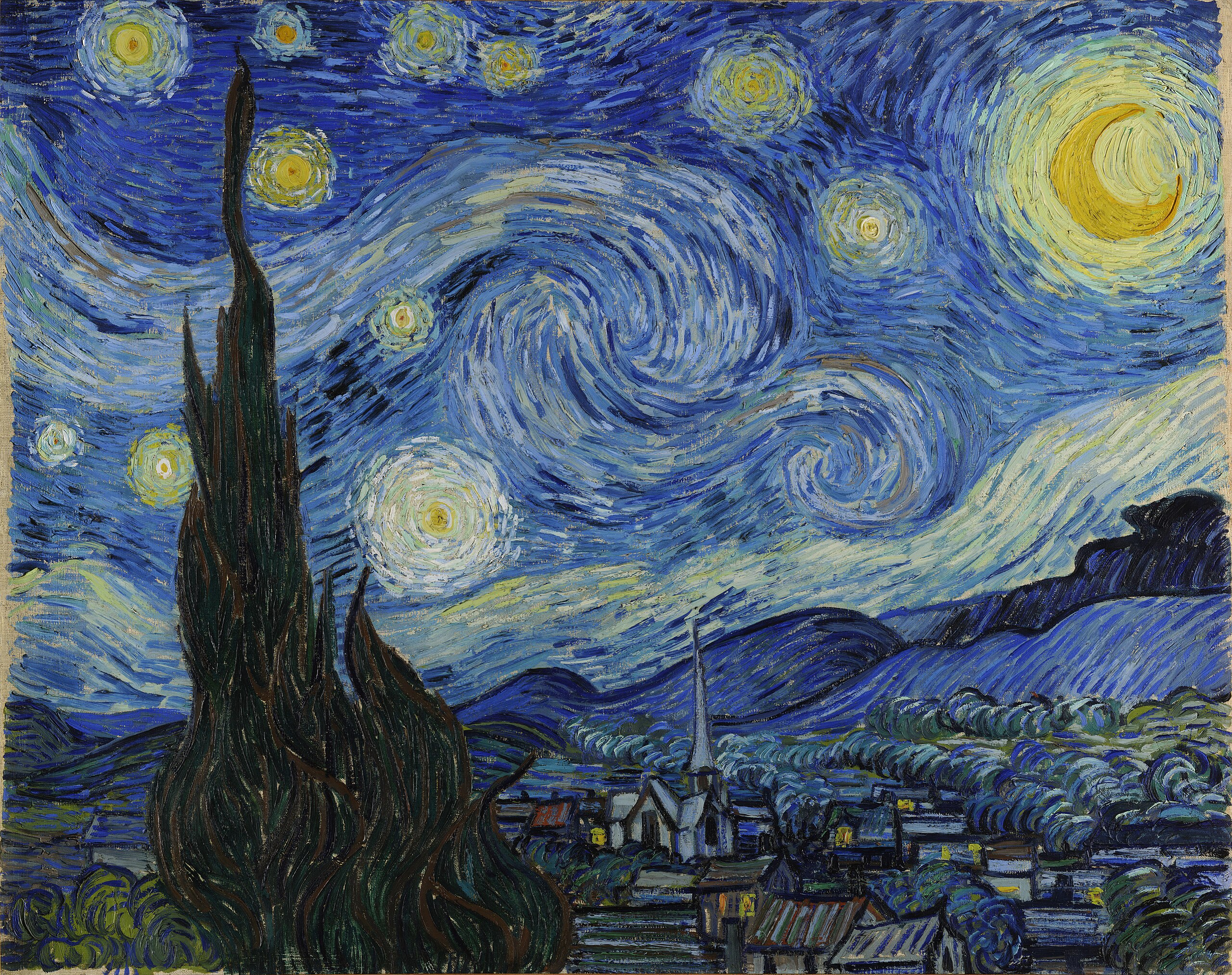
Starry Night
Vincent van Gogh
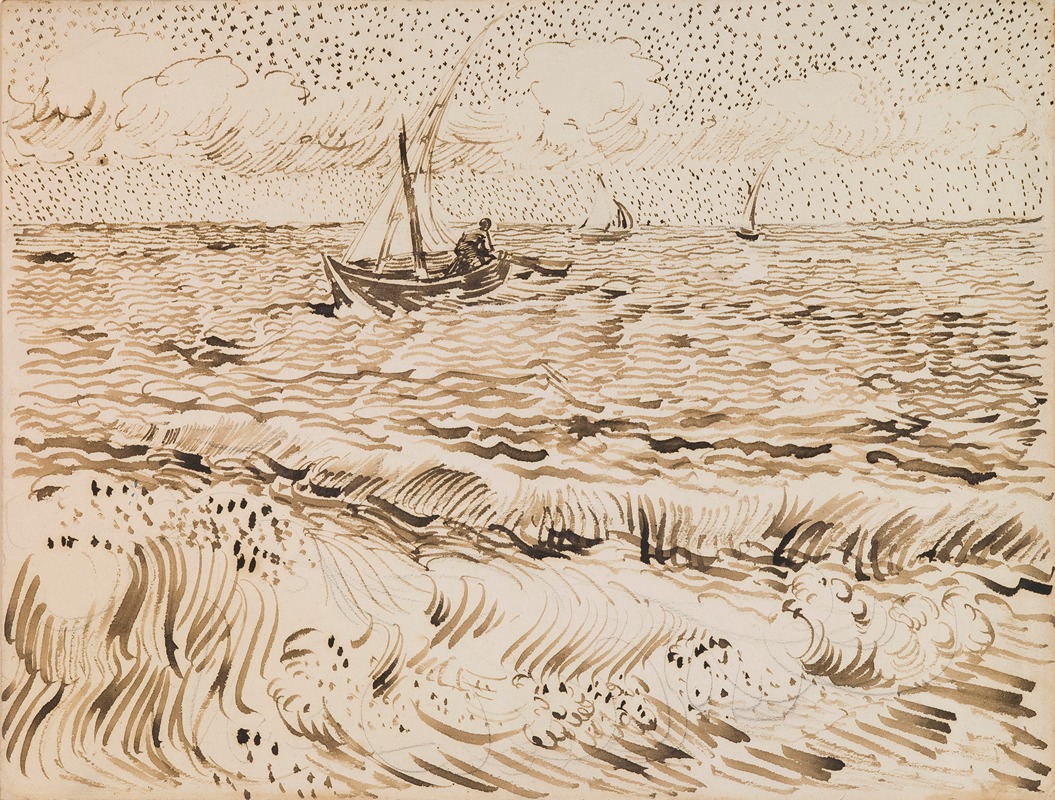
Fishing Boats at Saintes-Maries-de-la-Mer
Vincent van Gogh
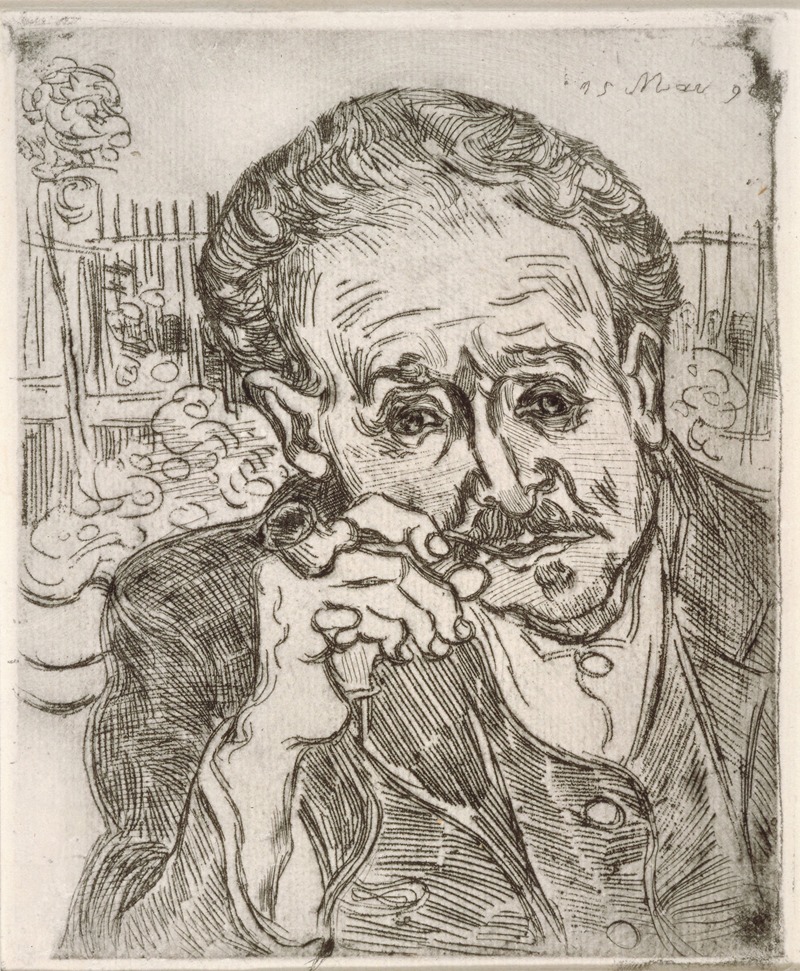
Portrait of Dr. Gachet (Auvers-sur-Oise)
Vincent van Gogh
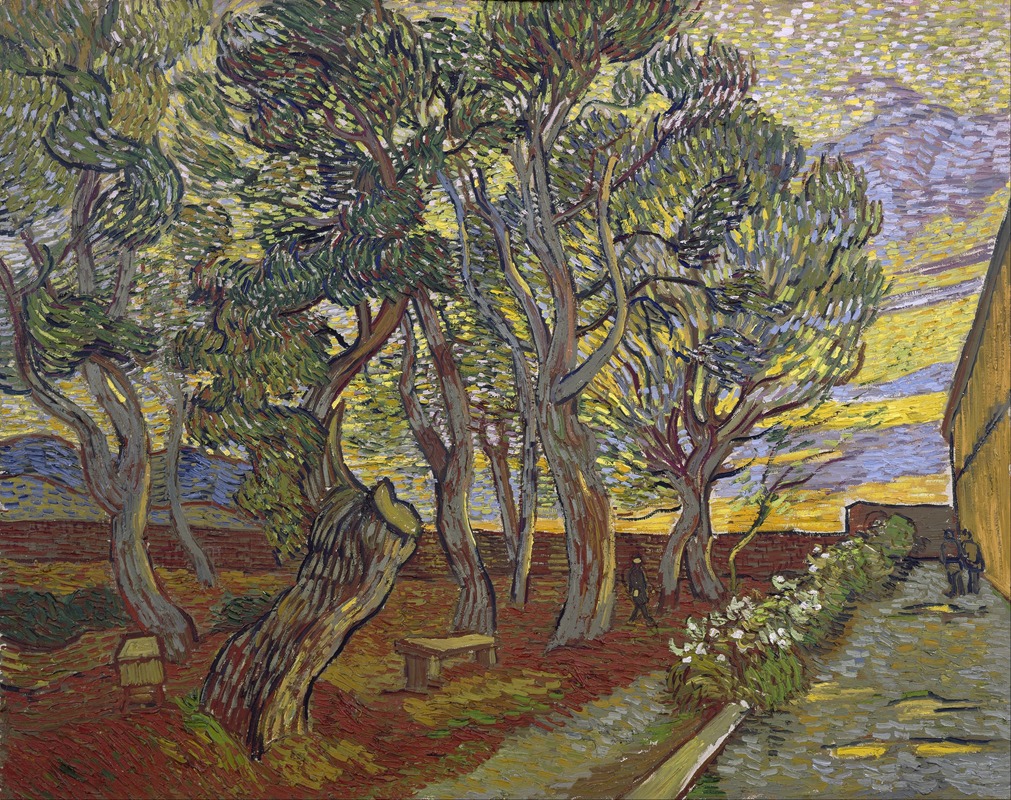
The garden of Saint Paul’s Hospital
Vincent van Gogh
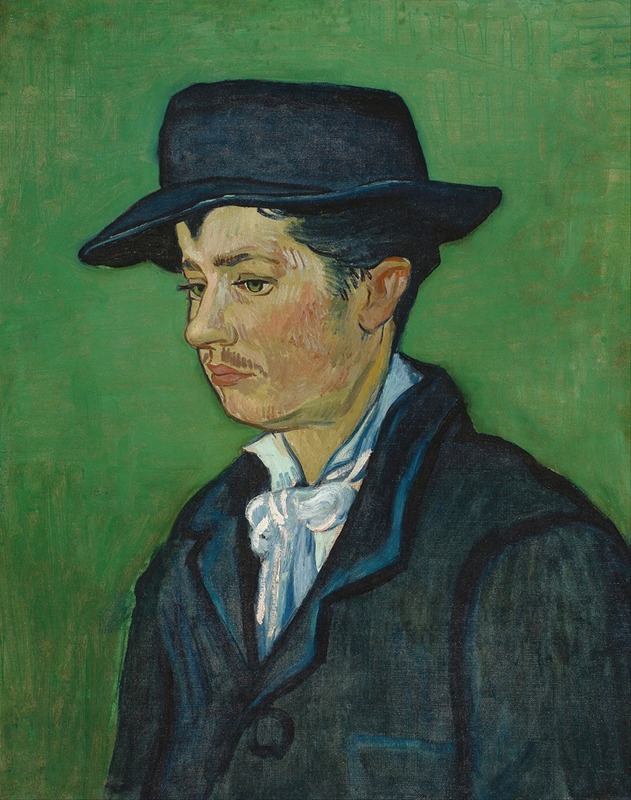
Portrait Of Armand Roulin
Vincent van Gogh
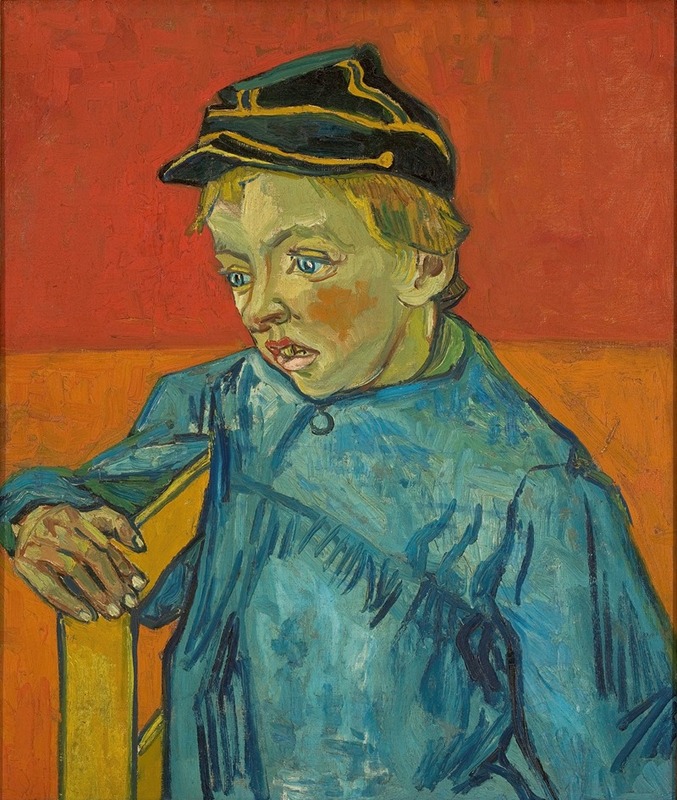
The Schoolboy (Camille Roulin)
Vincent van Gogh
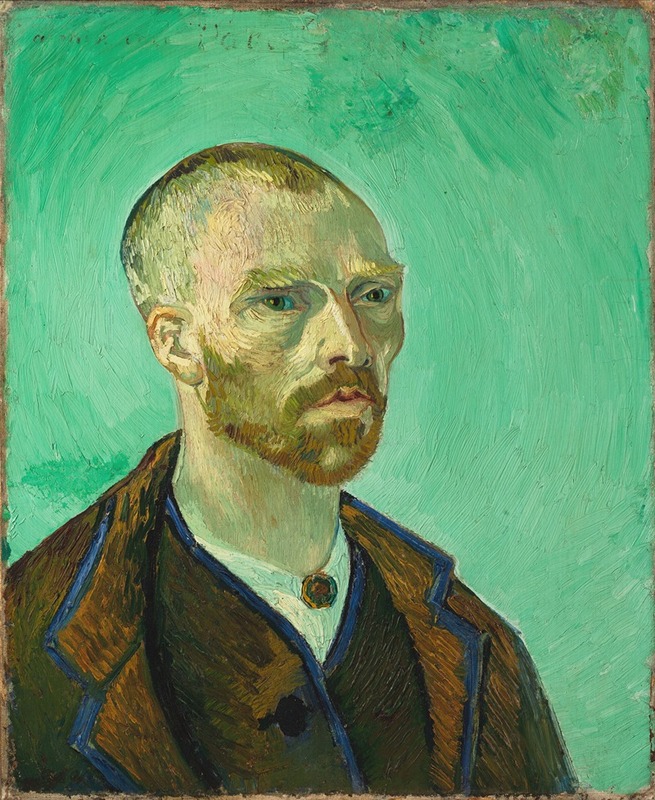
Self Portrait (dedicated to Paul Gauguin)
Vincent van Gogh
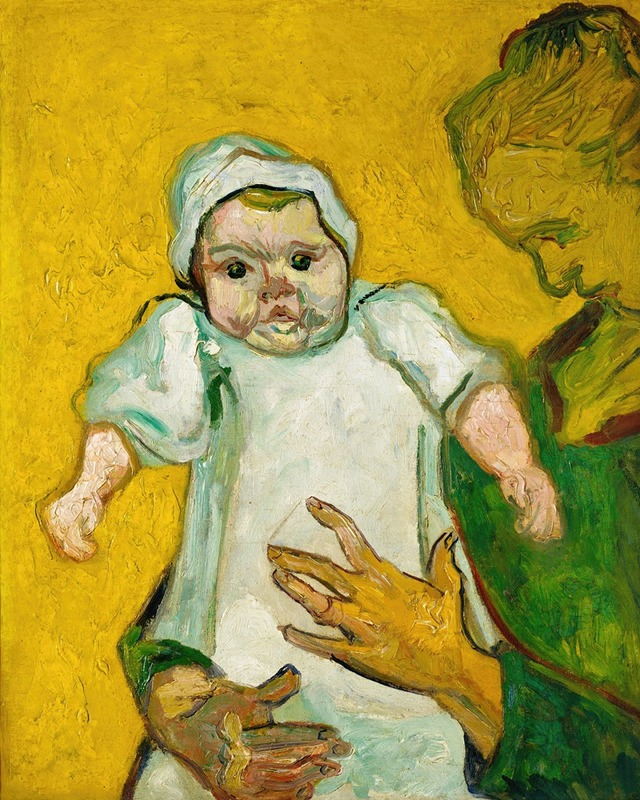
Madame Roulin and Her Baby
Vincent van Gogh
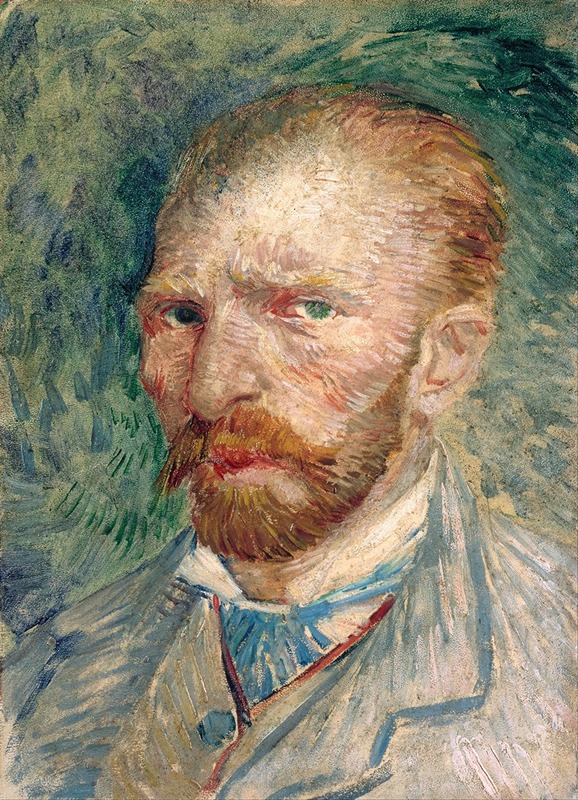
Self-Portrait
Vincent van Gogh
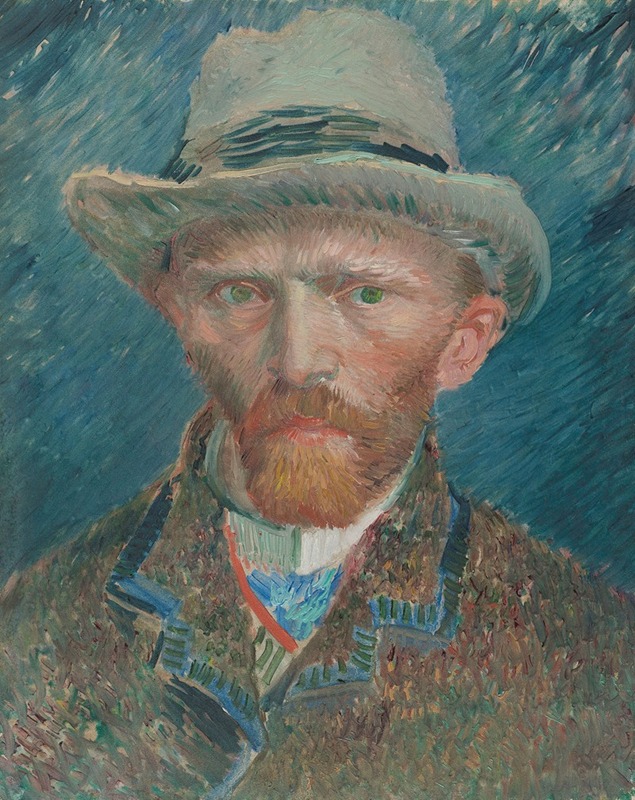
Self-portrait
Vincent van Gogh