Pavement, Cairo — History & Analysis

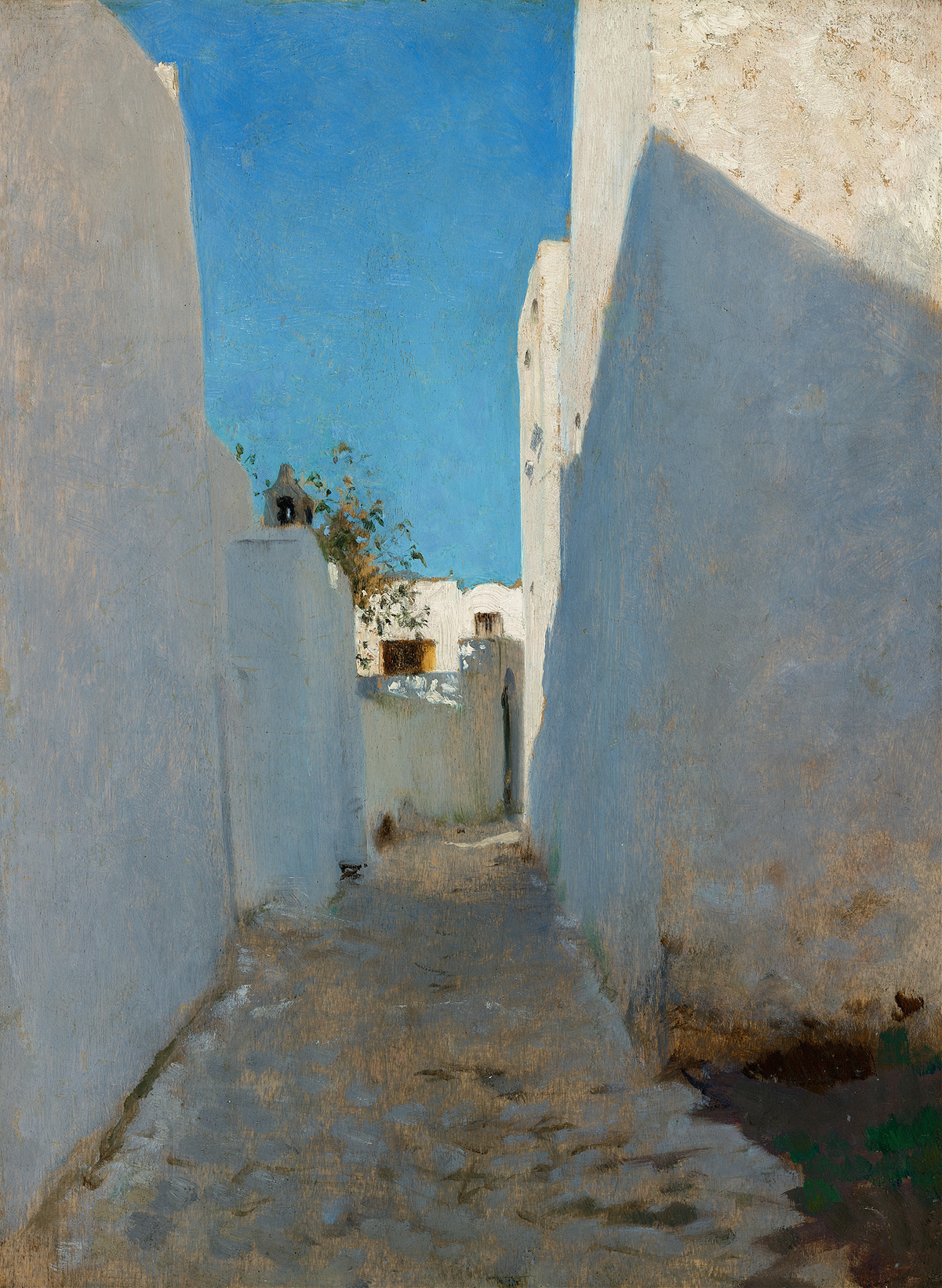
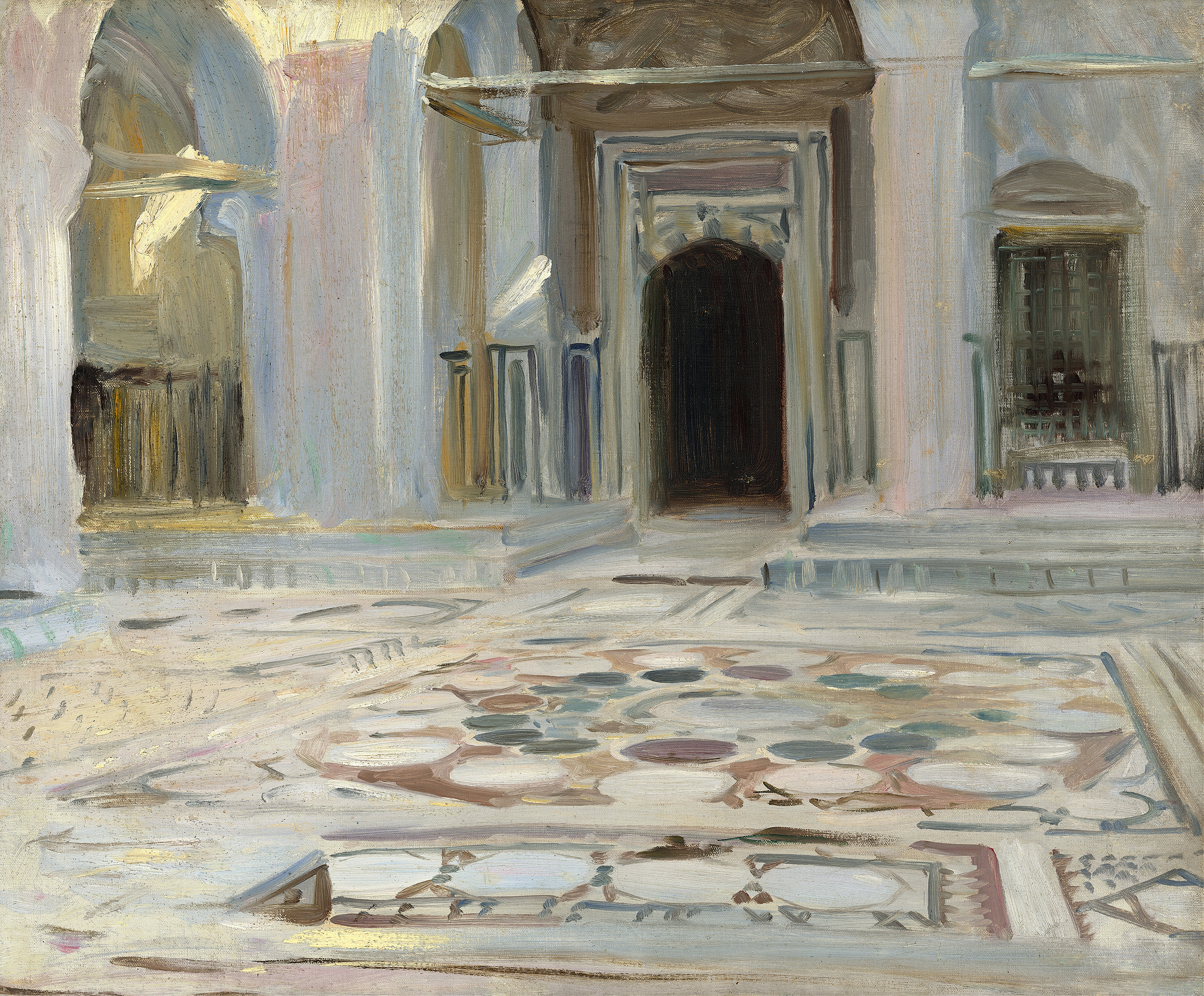
What if beauty was never meant to be finished? In the chaotic heart of Cairo, where the vibrancy of life unfolds upon the pavement, Pavement, Cairo captures a moment suspended between energy and stillness. Look to the center of the canvas, where rich hues of ochre and deep blue swirl together, hinting at the bustling life just beyond the frame. Notice how the light dances across the textured surface, revealing flecks of color that evoke the warmth of the sun-soaked streets. The interplay of shadow and light creates a rhythm that draws your eye, guiding you through a scene teeming with the unrelenting pulse of urban existence.
Each brushstroke feels spontaneous yet deliberate, a celebration of chaos captured within a frame. Delve deeper into the details, and you'll find a reflection of societal contrasts. The textures speak of a world caught between tradition and modernity, symbolized by the juxtaposition of the rough pavement against the refined architecture in the background. Here, the chaos of daily life mingles with the serene beauty of the exotic locale.
The viewer is left to ponder the fleeting nature of these moments, where beauty is forever in flux and never fully resolved. In 1891, John Singer Sargent painted this piece during his travels in Egypt, a time of personal exploration and artistic evolution. Amidst the rise of Impressionism and a world on the brink of modernity, Sargent absorbed the vibrancy of Cairo, infusing his work with a sense of spontaneity that would define his later masterpieces. This work captures not just a scene, but the chaotic beauty of existence itself, amidst the shifting tides of art and culture.