Pejzaż (Przedwiośnie) — History & Analysis
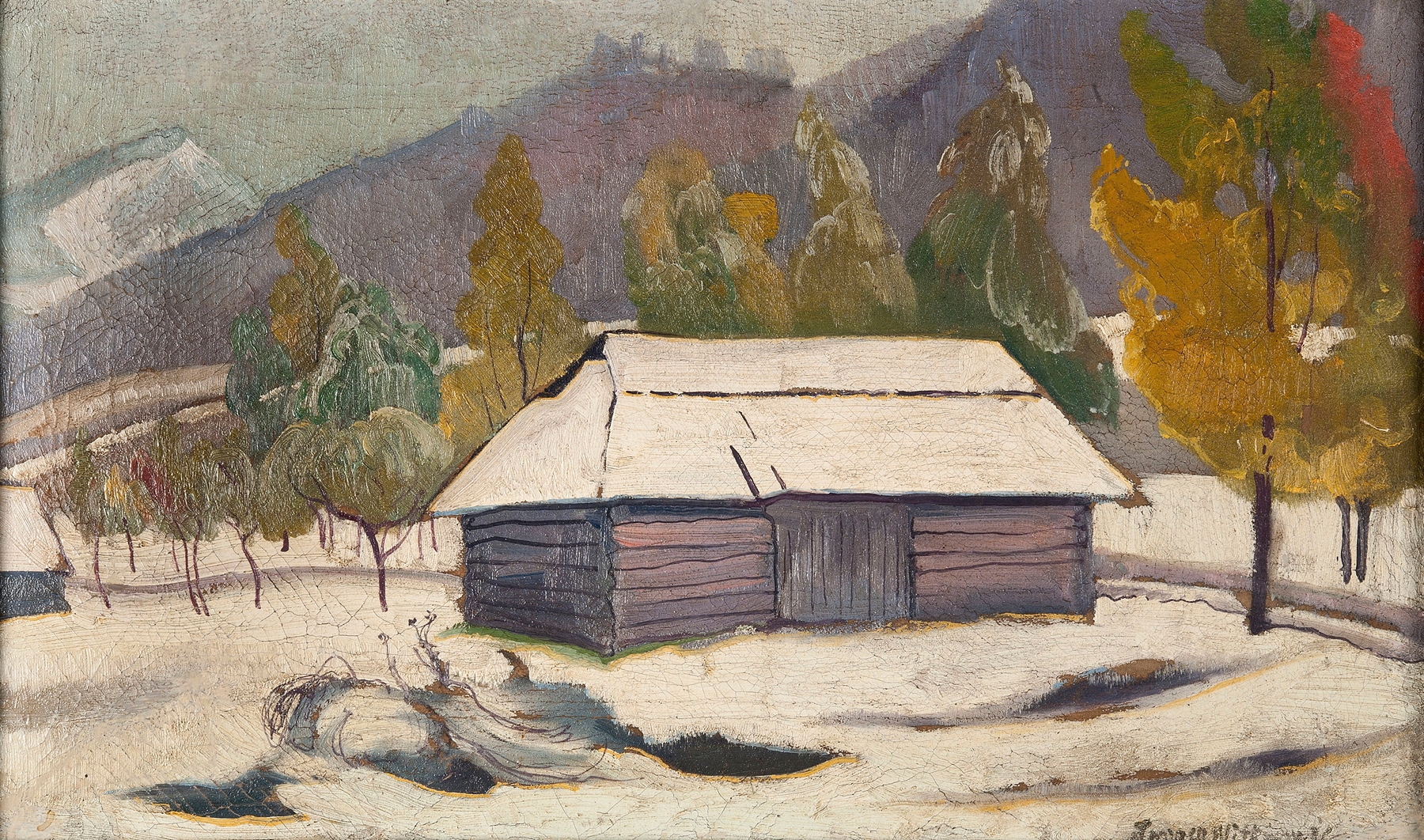
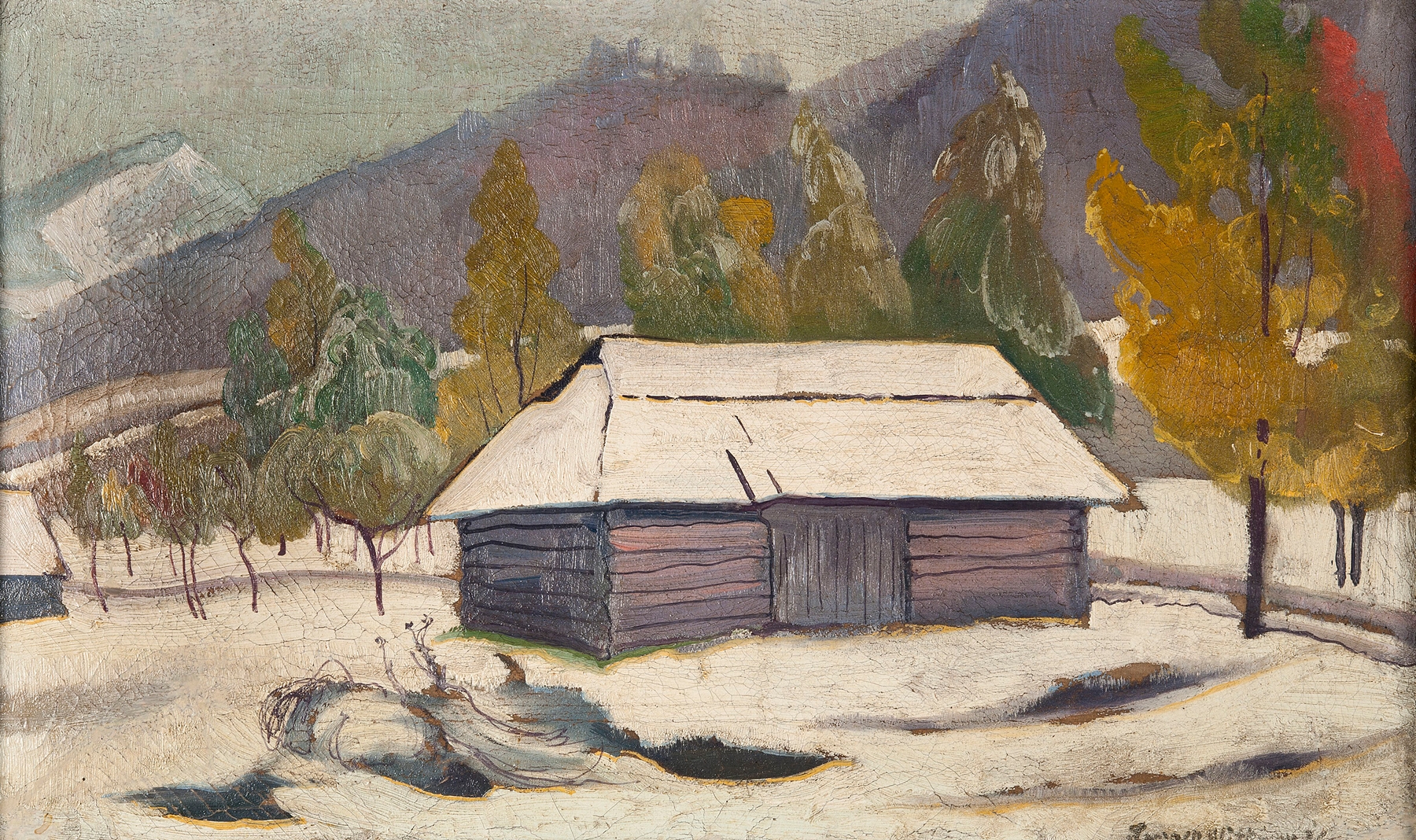
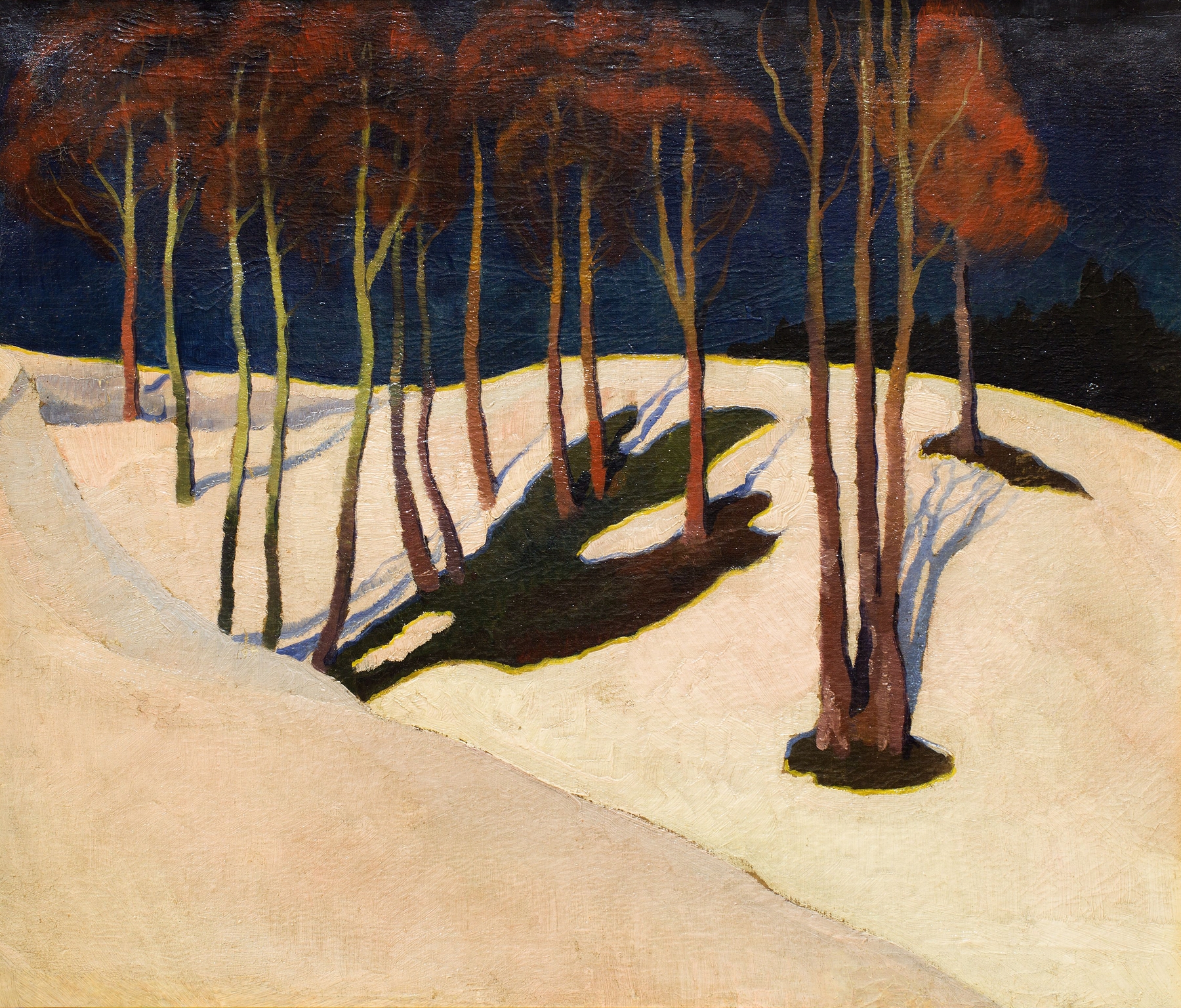
“Between color and silence, truth hides.” In Pejzaż (Przedwiośnie), a subtle dialogue unfolds between hues and shadows, inviting contemplation on nature’s quiet transformations. Look to the center of the canvas where soft greens and muted browns weave together, capturing the tension of early spring. The delicate brushstrokes create an almost dreamlike quality, as if the landscape itself is awakening from winter's slumber. Notice how the light penetrates the composition, highlighting the contours of the land while casting gentle shadows that breathe life into the tranquil scene.
Yet, beneath this serene exterior lies a deeper narrative. The contrasting tones symbolize the clash between life and dormancy, hope and uncertainty. The muted palette suggests not just the arrival of spring but the emotional weight of longing and anticipation for what is to come. Small details, like the emerging buds and distant hills, whisper of rebirth while echoing the solitude inherent in nature’s cyclical process.
Created in 1900, this piece reflects a pivotal moment for the artist, who was immersed in the cultural revival of Poland and exploring various artistic movements. Living in Zakopane, Witkiewicz was influenced by the burgeoning modernist ideals, which allowed him to experiment boldly with color and form. This work illustrates his quest to capture the essence of a moment in time, resonating with the broader existential themes prevalent in art during this era.