Personification of Fidelity — History & Analysis
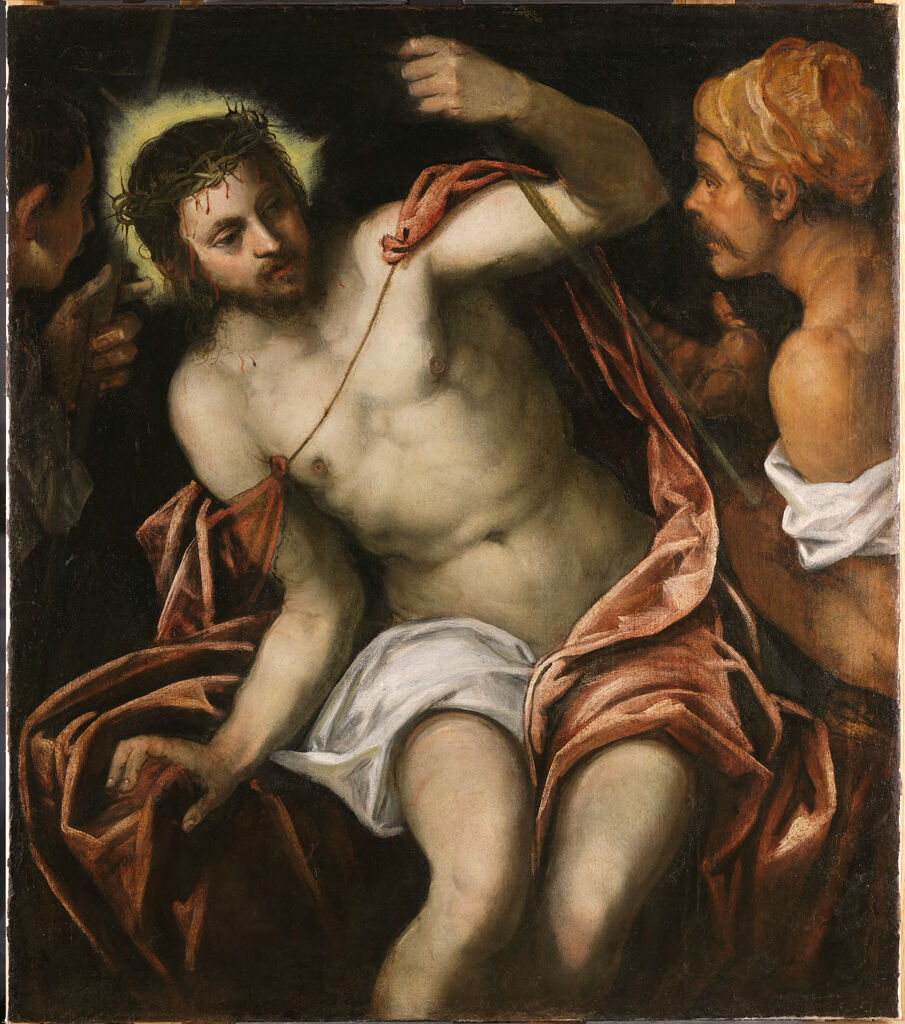
Who listens when art speaks of silence? In Personification of Fidelity, the weight of grief is palpable, as the figure exudes a quiet strength amidst the tension of loss. Look to the center where Fidelity stands, a monumental presence rendered in deep, rich hues. Her gaze, unwavering and contemplative, seems to anchor the swirling chaos around her.
Notice how the light cascades softly across her face, illuminating the steady resolve in her expression while deep shadows cradle her form. The intricate detail of her garments flows gracefully, suggesting both movement and a sense of being trapped in time, while the background remains a murky blend of colors, evoking a world of uncertainty and sorrow. Beneath the surface lies a profound exploration of loyalty amidst despair. The contrast between Fidelity's strong posture and the dark, tumultuous background signifies the struggle against grief, urging the viewer to ponder the responsibilities of faithfulness even when faced with heartache.
The subtle use of symbolism—such as the entwined hands—suggests both unity and mourning, inviting reflection on the dualities of love and loss. Domenico Tintoretto created this poignant piece around 1595-1600, during a time when the Venetian art scene was shifting towards more emotional expressions. As the son of the famed painter Jacopo Tintoretto, Domenico was navigating his own artistic identity while responding to the societal changes of the late Renaissance. This painting reflects not only personal explorations of fidelity but also the broader cultural dialogues of loyalty in the face of impending change.