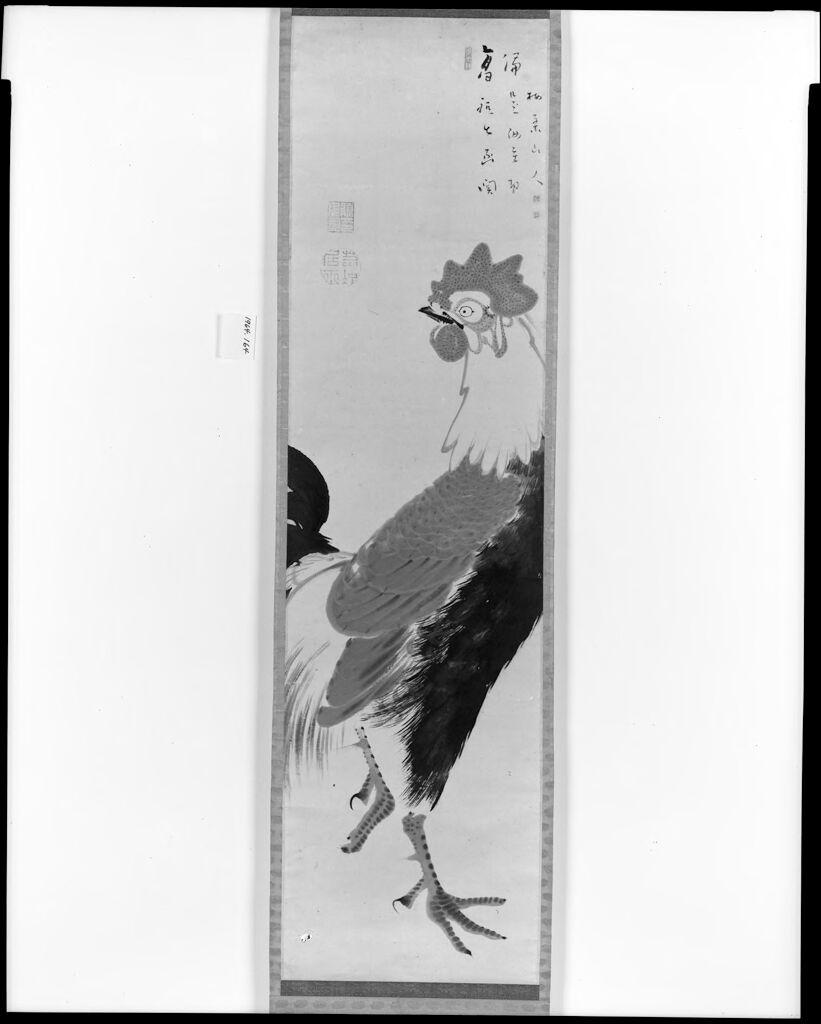
Plum Blossoms — History & Analysis
Can beauty exist without sorrow? In Plum Blossoms, a delicate dance of vibrancy and fragility unfolds, evoking contemplation of nature's fleeting splendor and the inevitable passage of time. Look closely at the swirling branches that crisscross the canvas, adorned with blossoms in varying stages of bloom. The meticulous brushwork captures the intricate details of each petal, while soft pinks and whites contrast against the dark, sinuous lines of the branches.
Notice how the light creates a gentle glow, illuminating the flowers and inviting the viewer to ponder their significance. This tension between the ephemeral beauty of the blossoms and the starkness of their surroundings creates an intimate dialogue, drawing the eye into a world that feels both alive and transient. The arrangement of blossoms symbolizes the duality of creation and decay, suggesting that beauty is often intertwined with impermanence. Each bud, poised on the edge of bloom, echoes the transient nature of life, while the vibrant hues remind us of life's joyful moments.
Additionally, the subtle interplay of shadows hints at the depths of sorrow that often accompany joy, urging the viewer to reflect on the complexities of existence. During an unknown period in his career, Itō Jakuchū painted this work amidst a flourishing appreciation for nature in Japanese art. His artistry exemplified the Edo period's cultural evolution, where artists sought to capture the essence of their surroundings and infuse them with personal meaning. This painting stands as a testament to Jakuchū's mastery of color and form, reflecting the serene beauty of plum blossoms while echoing a deeper understanding of life's bittersweet nature.