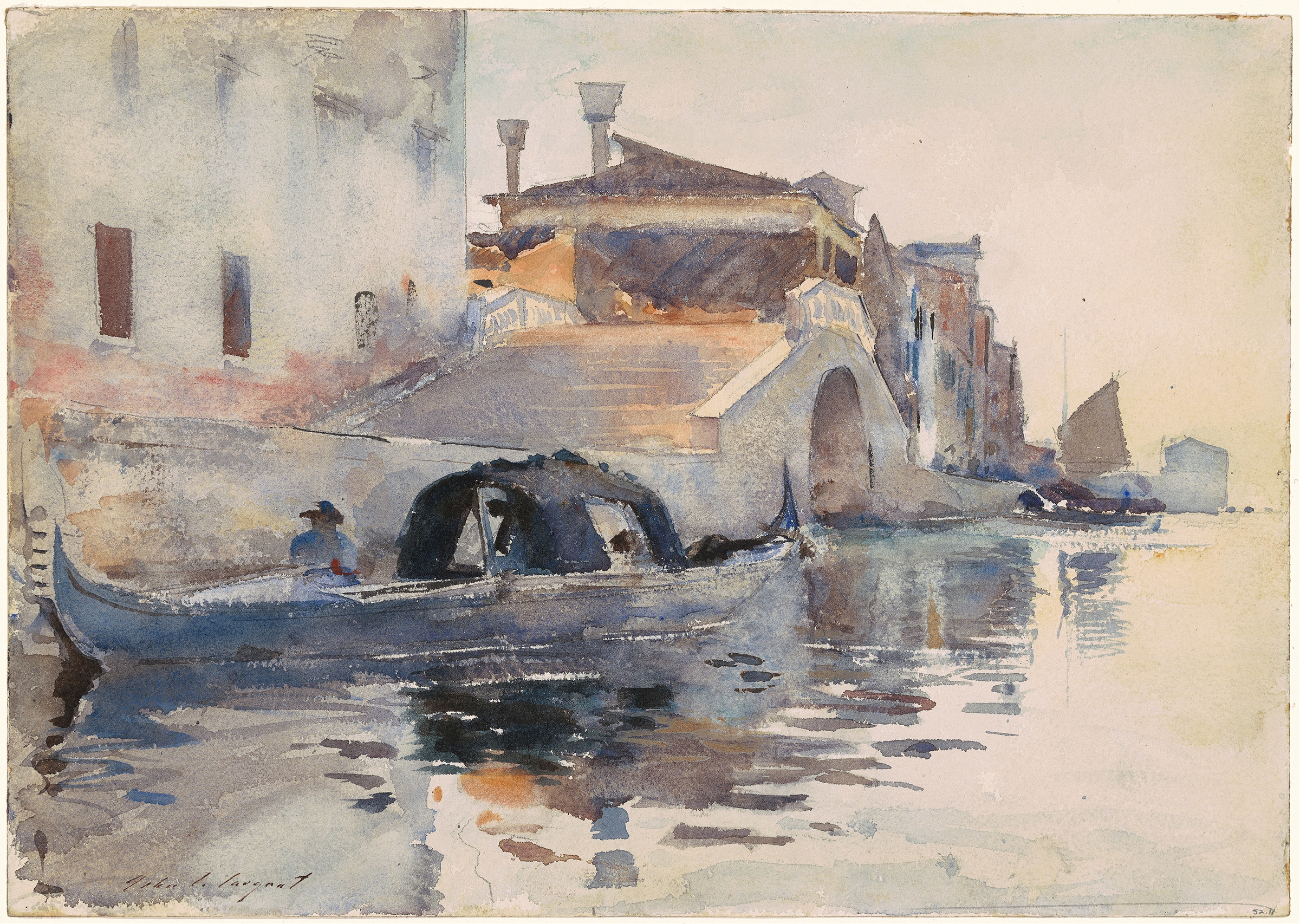
Ponte Panada, Fondamenta Nuove, Venice — History & Analysis

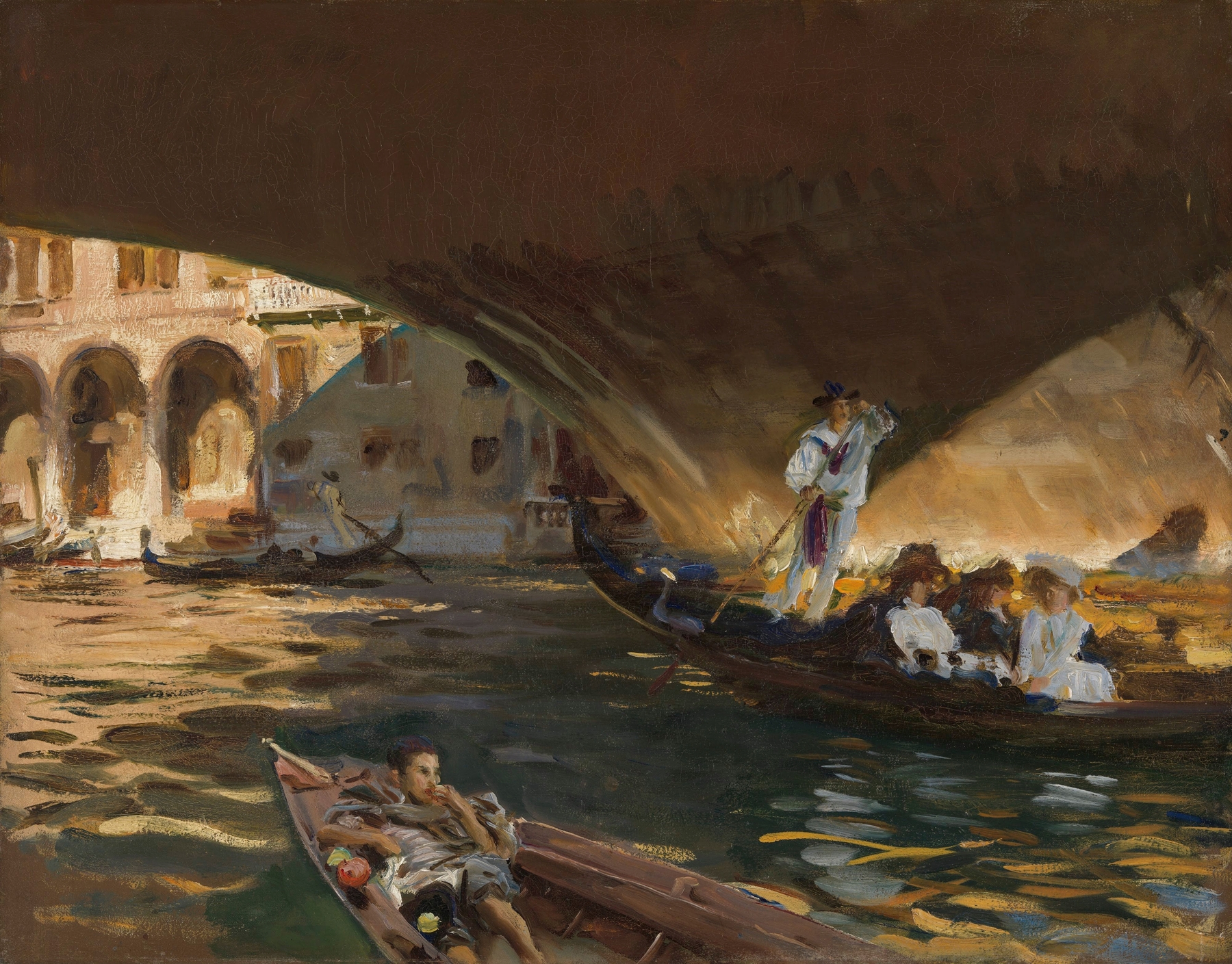
“Sometimes beauty is just pain, disguised in gold.” This thought resonates deeply when gazing upon the tranquil waters of Venice, where reflections conceal untold stories beneath their shimmering surfaces. Focus first on the serene canal that weaves through the heart of the composition. The soft blues and greens of the water intertwine with splashes of warm ochres and rich golds, creating a mesmerizing dance of color. Notice how the light catches the bridge and the boats, casting elongated shadows that hint at the passage of time.
This interplay of light and reflection frames the scene, inviting the viewer to ponder the layers of life that exist just below the surface. Within the delicate brushstrokes lies a contrast between stillness and movement. The graceful curve of the bridge creates a sense of connectivity, yet the solitary boats suggest isolation in the midst of beauty. Each element feels like a metaphor for the complexities of existence; the reflections in the water serve as a reminder that every picturesque moment can veil deeper emotions and narratives.
The tension between the idyllic setting and the potential for quiet despair beckons contemplation. Sargent painted this scene around 1880 during his travels in Venice, representing a pivotal moment in his career. At that time, he was gaining recognition for his portraits and landscapes, pioneering a style that married Impressionism with traditional techniques. The world of art was shifting, and the artist found in Venice not only a muse but also a reflection of the emotional landscapes that would define his oeuvre.