Portrait of a Woman — History & Analysis
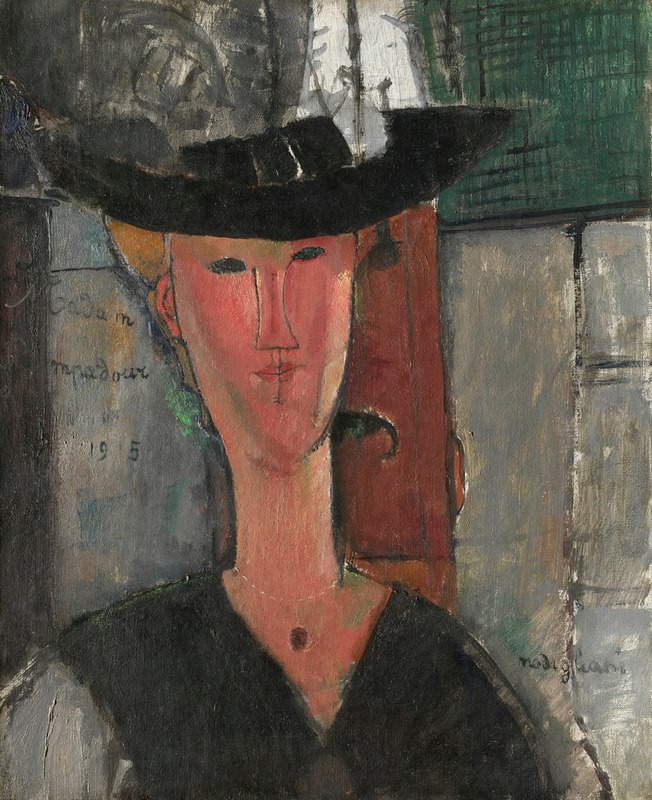
“To paint is to remember what time wants us to forget.” This poignant reflection encapsulates the essence of human existence, where each stroke of the brush becomes a bridge between the ephemeral and the eternal. Look closely at the elongated neck and haunting eyes of the figure, drawing you in with an almost magnetic allure. The soft, muted palette of ochres and blues envelops the canvas, creating an intimate atmosphere that reverberates with unspoken stories. Notice how Modigliani's signature style simplifies the contours while amplifying the subject's emotional depth, allowing the viewer to linger in the delicate balance between beauty and vulnerability.
Beneath the surface lies a profound exploration of mortality and identity. The woman's serene expression contrasts with her elongated form, suggesting the fragility of life amidst the stillness of the moment captured. The absence of detailed features invites contemplation about who she is, emphasizing the universal experience of womanhood and the inevitable passage of time.
Each gaze upon her may evoke feelings of longing or melancholy, echoing the transient nature of our own lives. In the years surrounding the creation of this piece, Modigliani was navigating a tumultuous personal life in Paris, grappling with his health issues and the bohemian lifestyle that fueled his artistry. Painted between 1917 and 1919, this portrait emerged during a period of intense experimentation and innovation in the art world, as the avant-garde movements challenged traditional norms and sought to capture the essence of modern existence.