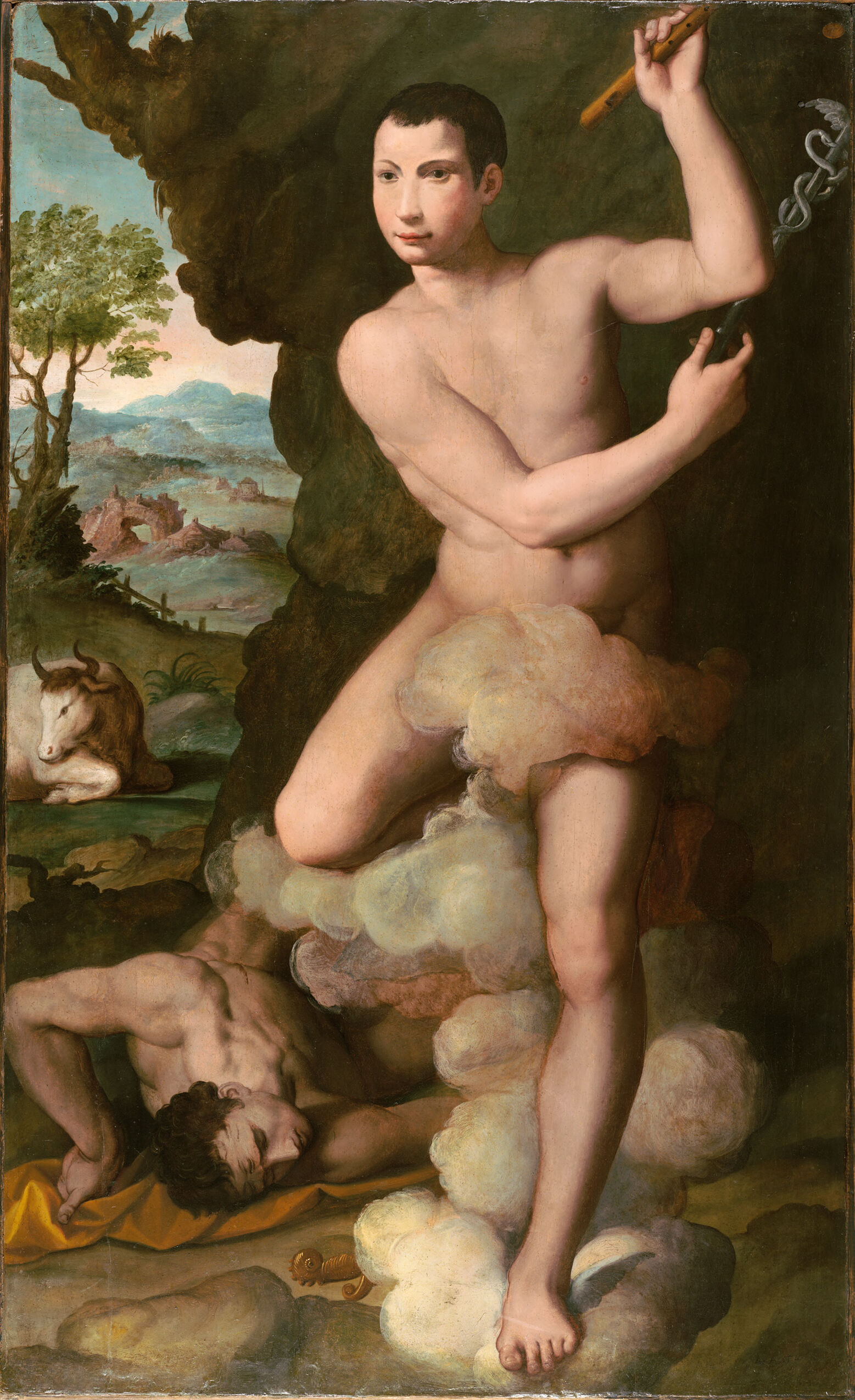
Portrait of a Woman — History & Analysis
Can beauty exist without sorrow? In Portrait of a Woman, the tension between elegance and the inevitable passage of time stirs a complex emotional landscape, inviting the viewer to ponder mortality beneath the surface of grace. Look to the left at the gentle curve of her neck, where the soft light caresses her skin, creating a delicate interplay of shadow and illumination. The intricate lace of her collar frames her face, drawing attention to her expressive features—each brushstroke imbued with life yet suggesting fragility.
The palette, rich yet muted, complements her solemn expression, while the background remains intentionally subdued, allowing her presence to command the viewer's focus. As you delve deeper, observe the subtle hints of melancholy reflected in her gaze. The slight downturn of her mouth juxtaposed with the ornate beauty surrounding her suggests an inner conflict, a silent acknowledgment of ephemeral existence. In this portrayal, Allori captures the duality of human experience—beauty intertwined with vulnerability, evoking a sense of longing for both the fleeting and the eternal.
Created around 1590, this work emerged during a period of transition in Florence, where the Mannerist style was giving way to a more naturalistic approach. Allori, a prominent figure in the Florentine art scene, painted this portrait as Italy grappled with the complexities of the Counter-Reformation and the evolving definitions of beauty. The artist's masterful technique reflects both the ideals of his time and a personal contemplation of life’s impermanence.