Portrait of Louis, Grand Dauphin — History & Analysis
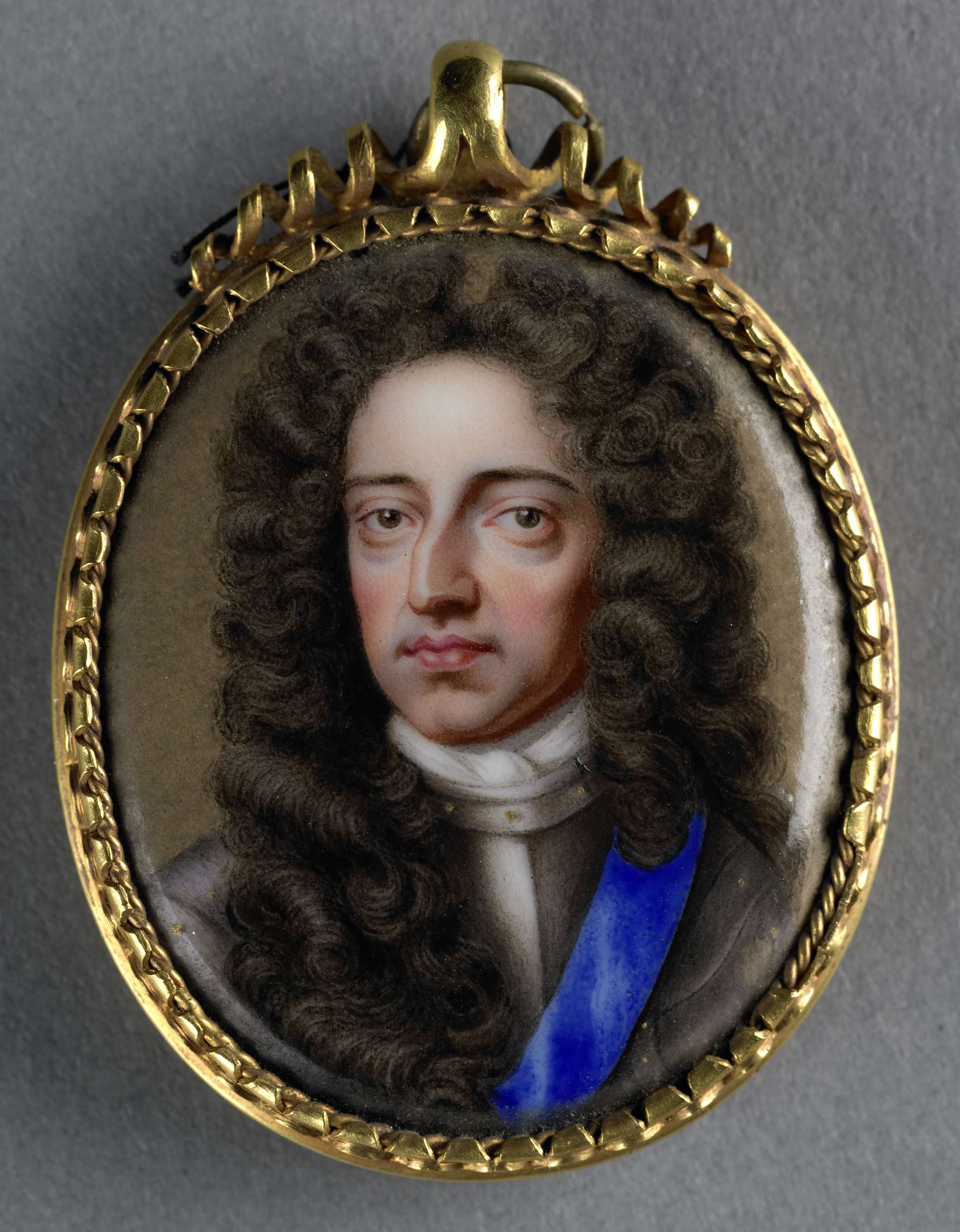
“Every brushstroke is a heartbeat remembered.” In the quiet depths of Portrait of Louis, Grand Dauphin, we encounter a tension that both captivates and unsettles. This image transcends mere likeness, revealing the turbulent undercurrents that lie beneath the polished surface of nobility. Look closely at the central figure, poised with regal authority, draped in opulent attire. The deep crimson of his robe contrasts sharply with the delicate gold embroidery, drawing the eye immediately to the fabric that seems to both cradle and constrain him.
Notice the carefully rendered curls of his hair—each strand meticulously painted, suggesting not only beauty but also the weight of expectation that rests heavily on his shoulders. The light spilling from the left creates a dramatic chiaroscuro effect, highlighting the young prince's face while casting the background into shadow, evoking a sense of both reverence and isolation. As you delve deeper, consider the underlying emotions captured in his gaze. The direct stare holds a complexity that hints at a burden far beyond his years—an awareness of the violence of court intrigues, perhaps, or the looming shadow of historical legacies.
The stark contrast between the vibrant colors and the somber undertones of his expression speaks to the duality of power: the splendor seen on the surface and the lurking darkness woven into the fabric of royal life. In the late 17th century, while Boit was painting this portrait, he was immersed in the dynamic world of French court life, marked by political maneuvering and artistic ambition. This era was defined by the opulence of Louis XIV’s reign, yet beneath that grandeur lay the persistent reality of rivalry and violence. The artist navigated this complex landscape, capturing not just a prince, but the intricate narrative of an age grappling with its own contradictions.