Portrait of Wang Yangming (1472-1528) — History & Analysis
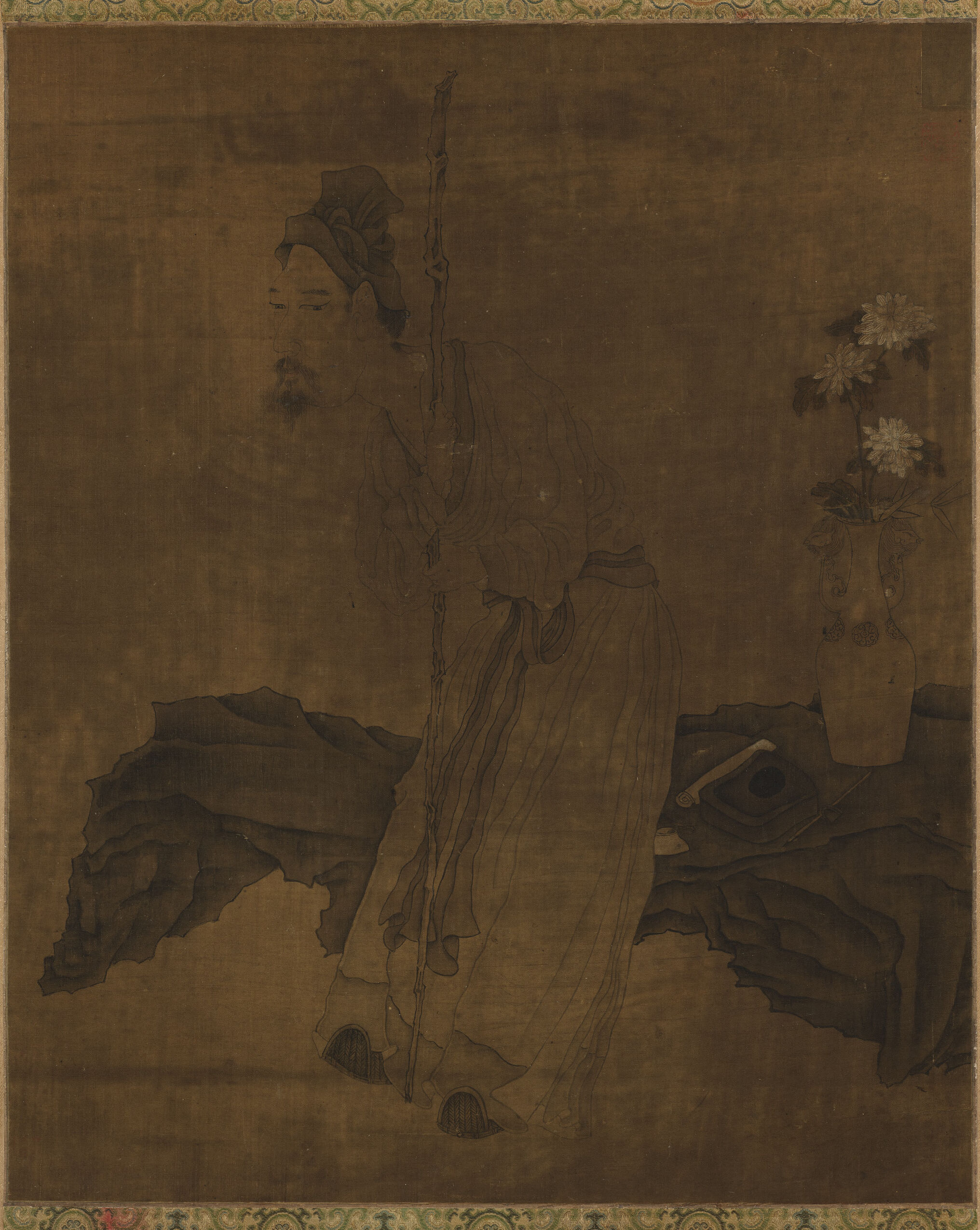
“Between color and silence, truth hides.” In this stillness, innocence emerges, cloaked in layers of wisdom and introspection, challenging us to see beyond the surface. Look to the left at the serene expression etched upon the subject’s face, which captivates with a profound stillness. Chen Hongshou's masterful brushstrokes create a soft luminosity that dances across the folds of Wang Yangming’s robes, the deep blues and muted earth tones harmonizing in a delicate balance. The subtle gradations of color invite the viewer to explore the tensions between light and shadow, enhancing the sense of depth in the figure's calm demeanor.
Underlying this stoic visage are contrasts that tell a larger story. The intricacies of the attire reveal a mastery of detail, suggesting a rich cultural heritage and the weight of philosophical thought. Yet, the gentle smile holds a duality, inviting reflection on the fragility of innocence amidst the complexities of human experience. Each brushstroke becomes a whisper, urging us to delve deeper into the quiet strength of this eminent figure.
In the 18th century, during the Qing Dynasty, Chen Hongshou crafted this portrait, drawing inspiration from earlier Ming dynasty ideals. His work emerged during a time when traditional Chinese art faced the influences of Western techniques, yet he remained committed to the essence of Chinese aesthetics. This period was marked by a resurgence of interest in Confucian ideals, echoing the life and philosophy of Wang Yangming, who championed the unity of knowledge and action.