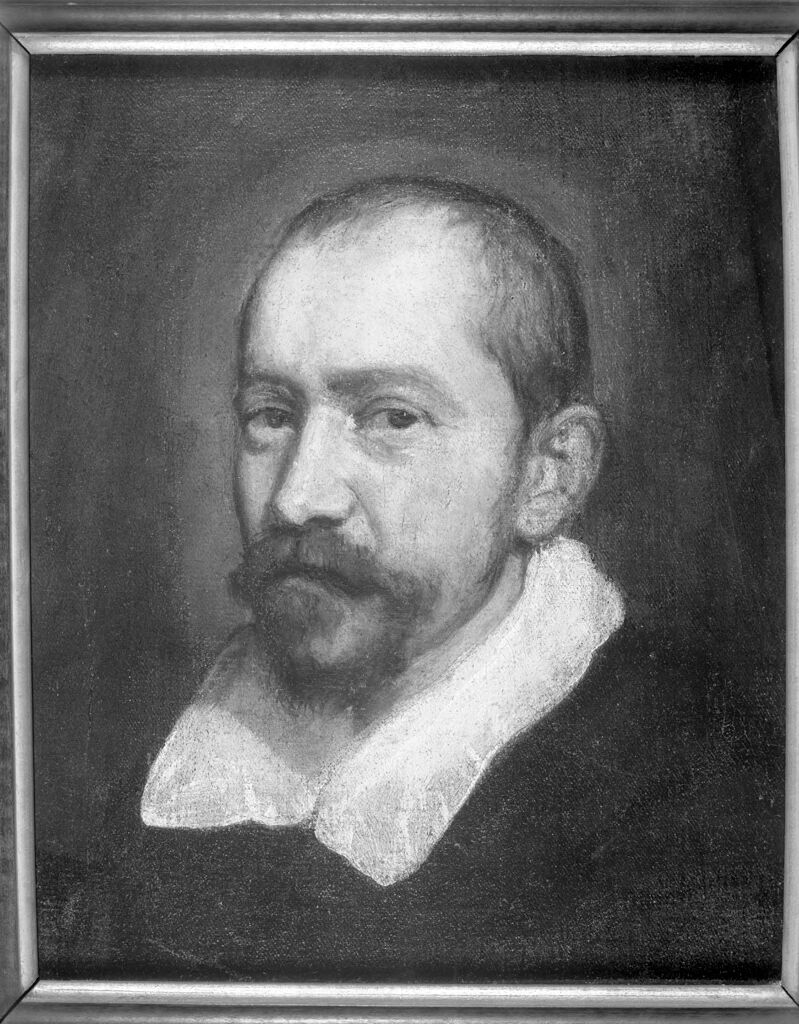
Self-portrait — History & Analysis
Could a single brushstroke hold eternity? In the self-portrait, a moment of introspection unfolds, revealing the duality of identity and truth through the potent gaze of the artist. Look closely at the eyes; they draw you in with a depth that reflects both vulnerability and resolve. The soft, muted palette surrounds the figure, where warm earth tones blend seamlessly, allowing subtle contrasts to emerge. Notice how the light caresses the contours of the face, illuminating the high cheekbones and gently shadowing the brow, adding a sense of three-dimensionality.
The brushwork, though delicate, is charged with confidence, revealing not only the artist’s skill but also his inner world. Within this painted visage lies a profound exploration of self. The positioning of the head slightly tilted suggests contemplation, while the subtle smile hints at secrets long held. Delve deeper, and you'll observe the interplay of light and shadow that symbolizes the complexity of human nature—how we often wear layers to conceal our truth.
This tension between revelation and disguise invites the viewer to question their own sense of identity, reflecting both the artist’s journey and universal experiences. Jacopo Palma Giovane created this self-portrait in the late 16th to early 17th century, during a time when the Venetian School was flourishing. He was influenced by the dramatic use of color and light characteristic of the Mannerist movement. As he sought to establish his own voice amid the echoes of earlier masters, this work became a pivotal moment in his exploration of personal expression and artistic identity.