Shipping off a coast in choppy water — History & Analysis
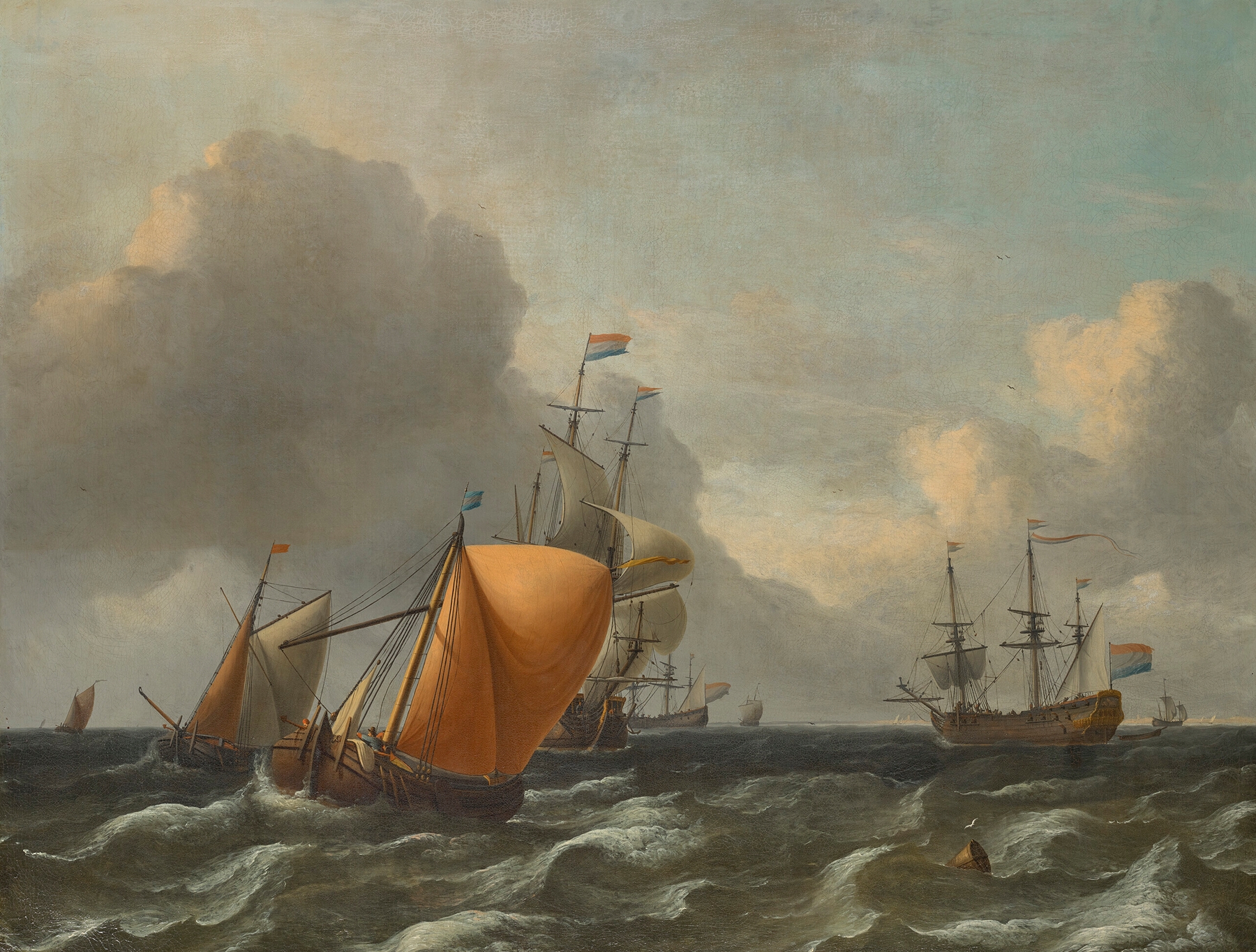
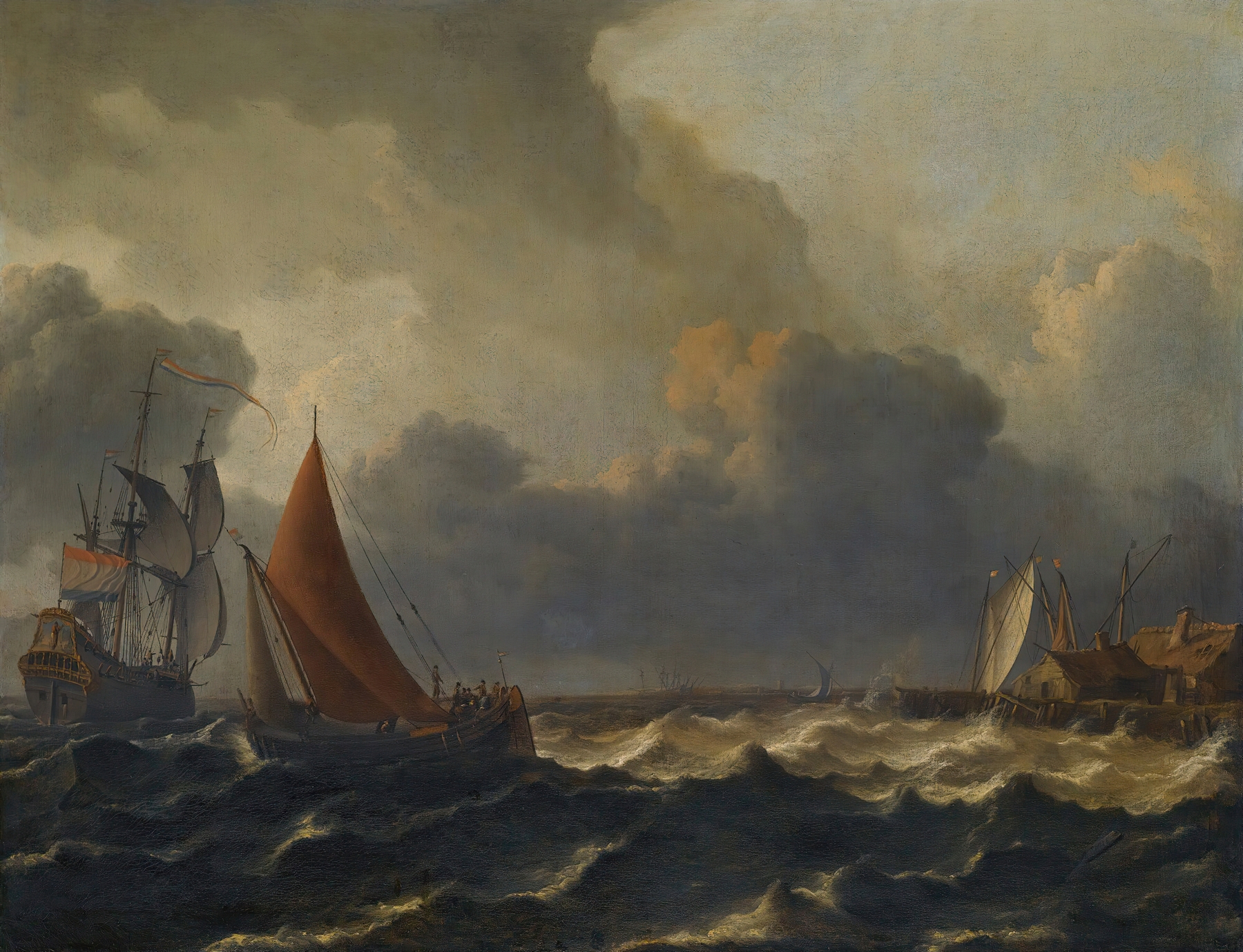
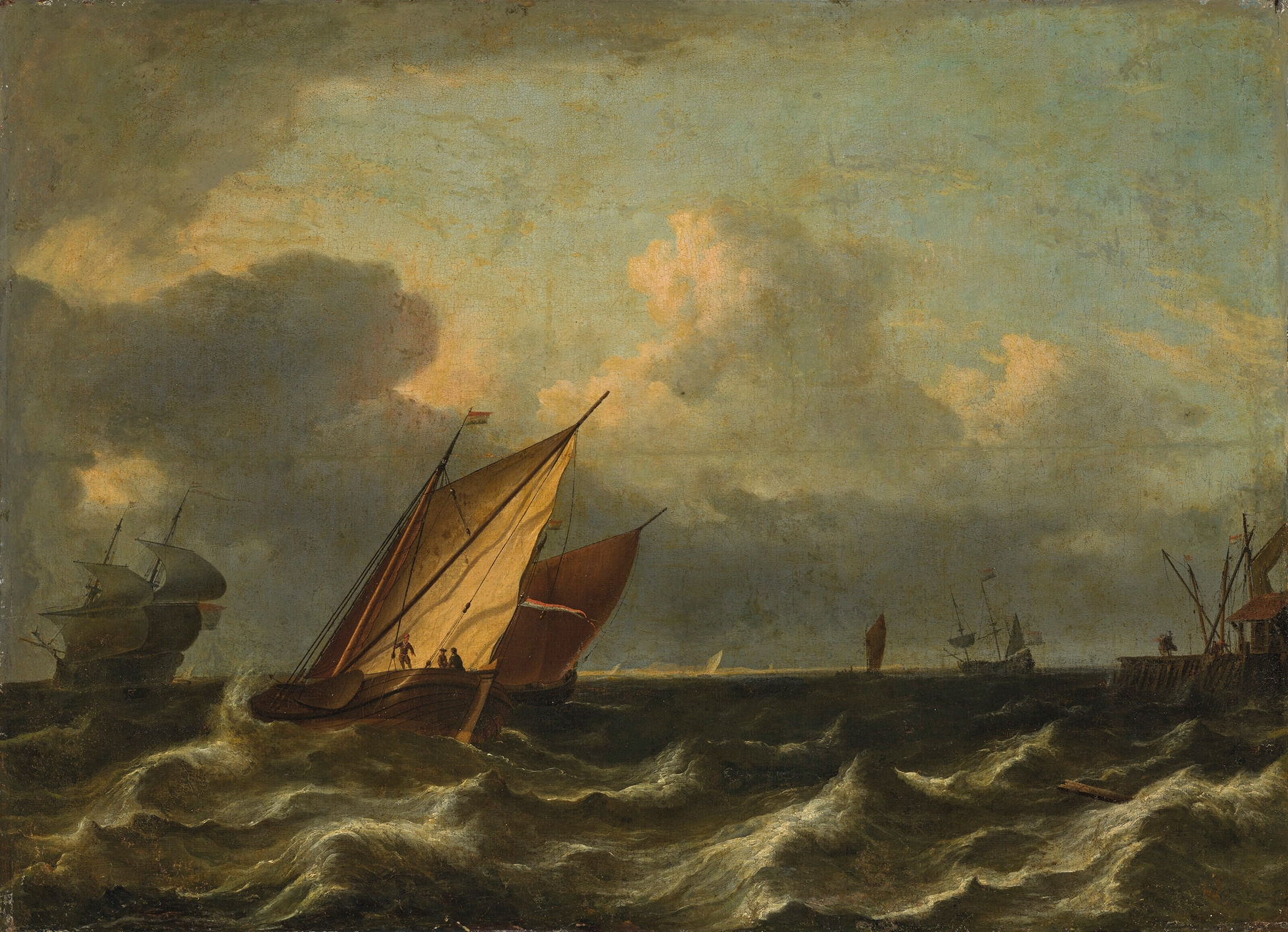
“Sometimes beauty is just pain, disguised in gold.” In the depths of emptiness, we find forms that echo our isolation, reflecting profound truths about existence. How can something so serene reveal such turmoil beneath the surface? Look to the center of the canvas, where a ship braves the tumultuous waves, surrounded by darker hues of blue and grey. The choppy water, swirling and violent, contrasts sharply with the delicate sheen of the vessel, as if it were a fragile ornament tossed upon a raging sea.
Notice the dynamic brushwork that captures the tumult, while the ship’s pristine lines stand in stark defiance of nature’s wrath. This juxtaposition invites the viewer to feel both admiration and trepidation. As you delve deeper, consider the emptiness that looms around the ship, a void that amplifies the tension of the struggle. The contrast between the ship’s courage and the chaotic waves hints at the human condition—an unrelenting pursuit in the face of inevitable challenges.
Each stroke of the brush seems to whisper the silent battles waged within, transforming the scene into an allegory of resilience amid despair. The gold within the ship speaks to the fleeting moments of beauty that punctuate our struggles, suggesting hope laced with sorrow. Aernout Smit created this work during a time when he was navigating personal challenges, reflecting a broader artistic movement that explored the interplay of light and dark. The date of this painting remains uncertain, but it resonates with themes from the late 19th and early 20th centuries, when artists began to focus on the emotional undercurrents of landscapes and seascapes, seeking deeper truths in nature’s tempest.