Ships at sea — History & Analysis
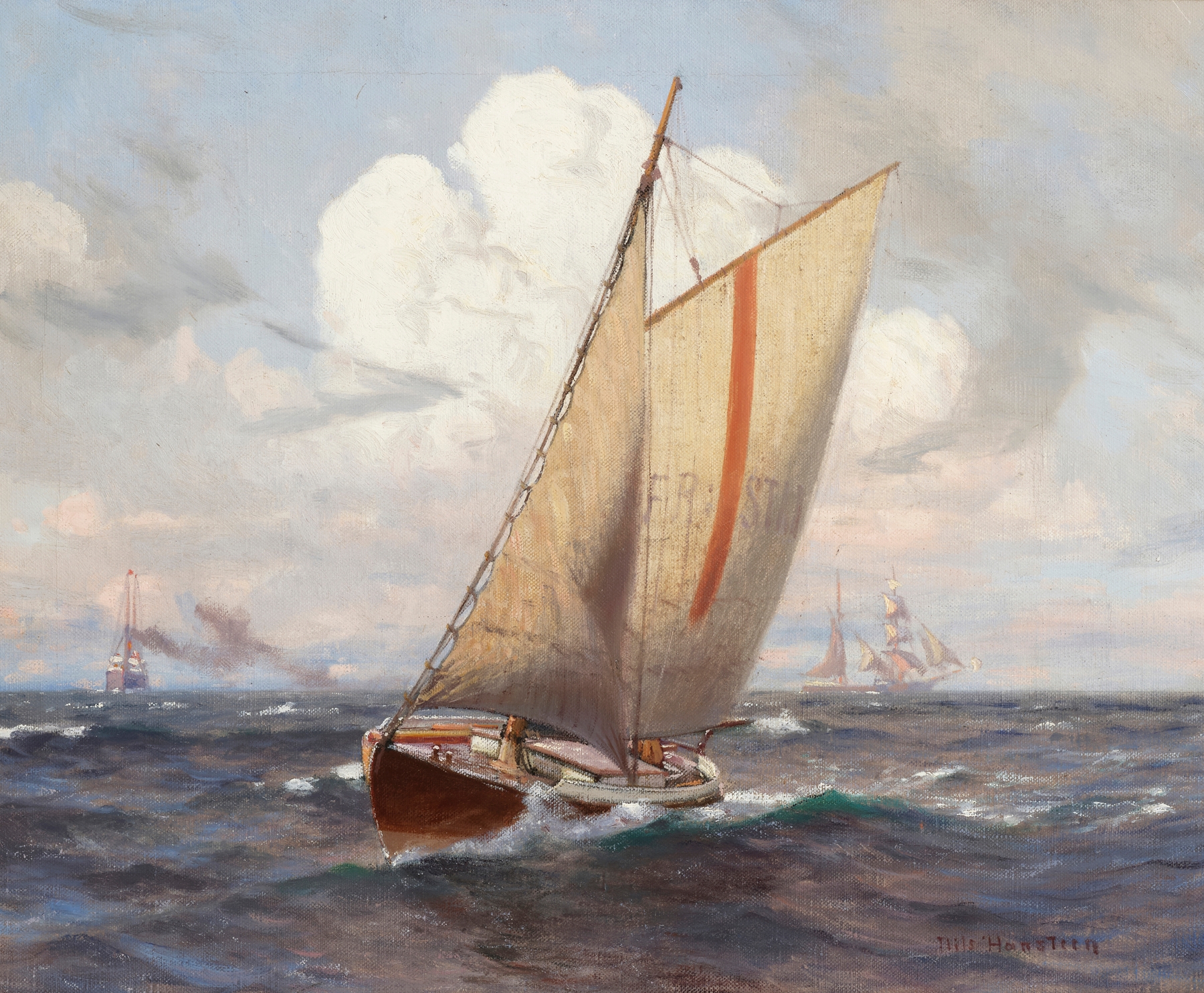
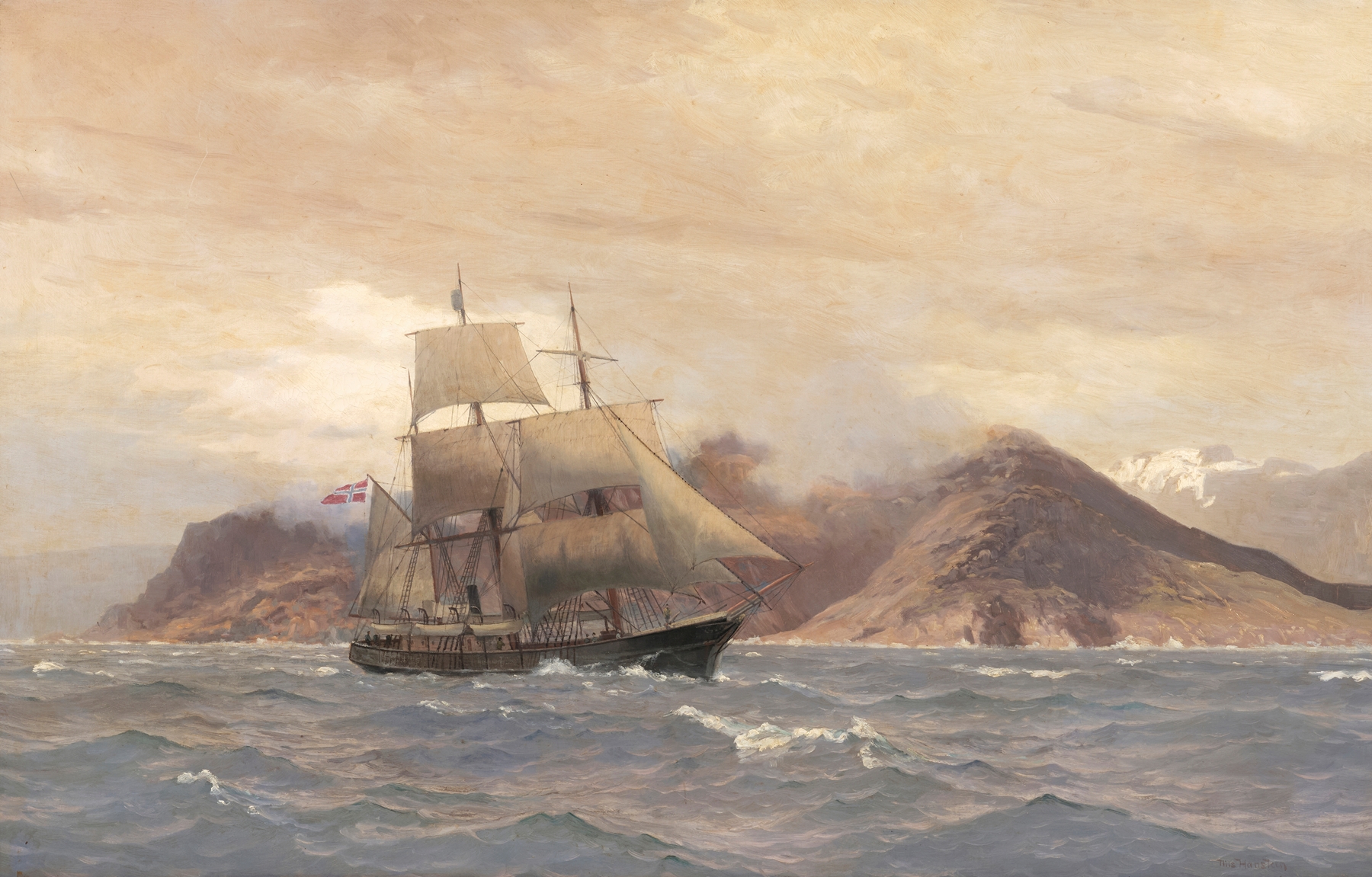
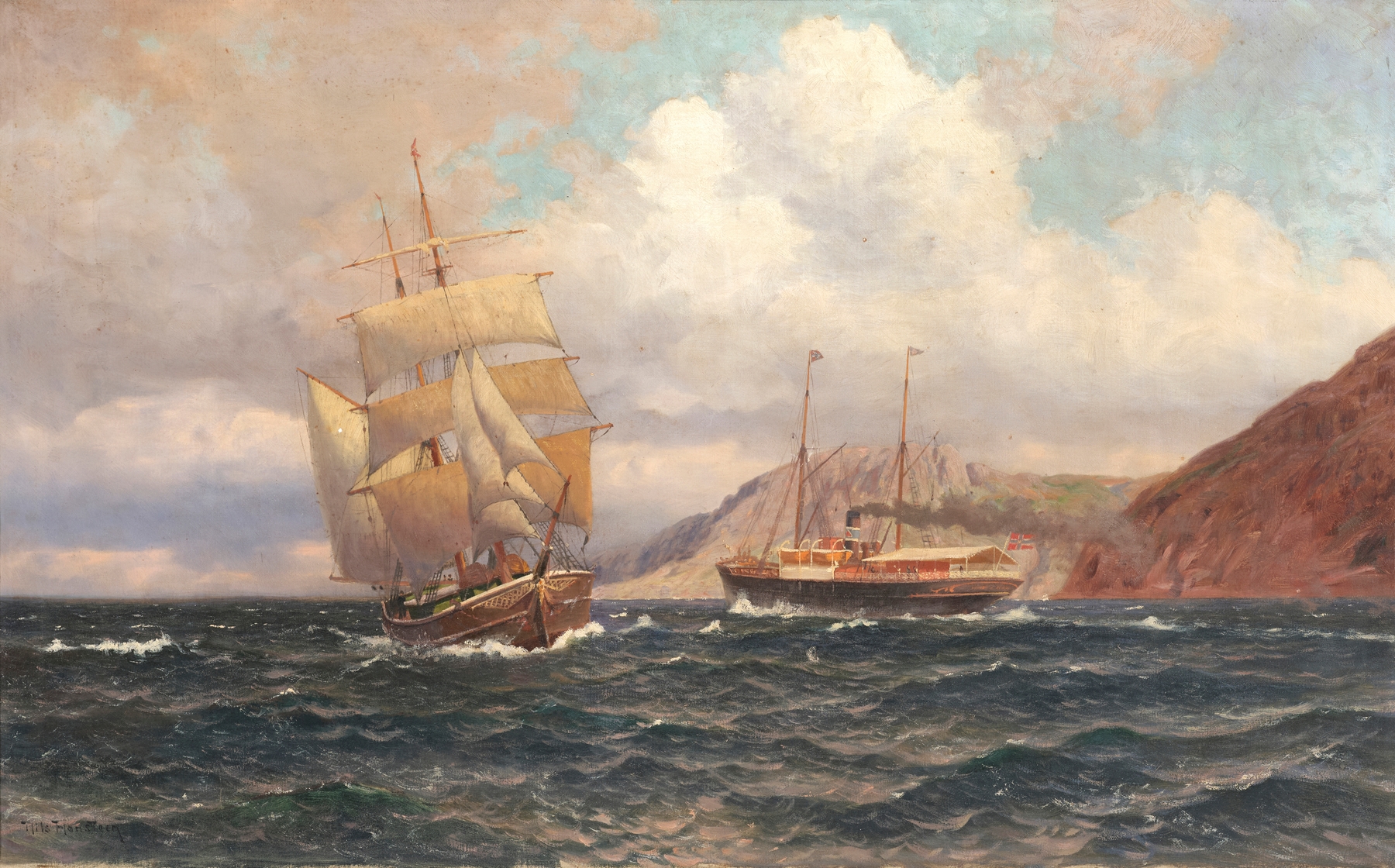
Every brushstroke is a heartbeat remembered. In the vastness of the ocean, the ships drift alone, enshrouded in solitude, each vessel a testament to the yearning for connection across the waves. Focus on the horizon, where the sun dips low, casting a golden glow that dances upon the water's surface. The ships, rendered with delicate precision, are positioned against the expansive backdrop, their sails taut yet lifeless, as though echoing the stillness of the air.
Notice how the artist captures the interplay of light and shadow, the subtle gradients of blues and grays that evoke the endless depths of the sea and the melancholic vastness of the sky, creating a sense of time suspended. The scene resonates with emotional tension, reflecting isolation amid grandeur. The ships, while crafted with skill, appear diminutive against nature's sweeping canvas, embodying the struggle of existence amidst an indifferent world. There’s a profound contrast between the inherent strength of the vessels and their vulnerability to the elements, inviting contemplation on the nature of loneliness and the human condition.
The work emerged from the hand of its creator during a period that remains undated, yet hints at a deep engagement with maritime themes prevalent in 19th-century art. It was a time when the exploration of nature’s vastness became a primary focus for many artists, reflecting the societal thirst for adventure and the unknown. Hansteen's affinity for the sea resonates through this piece, capturing both the beauty and desolation that it holds.