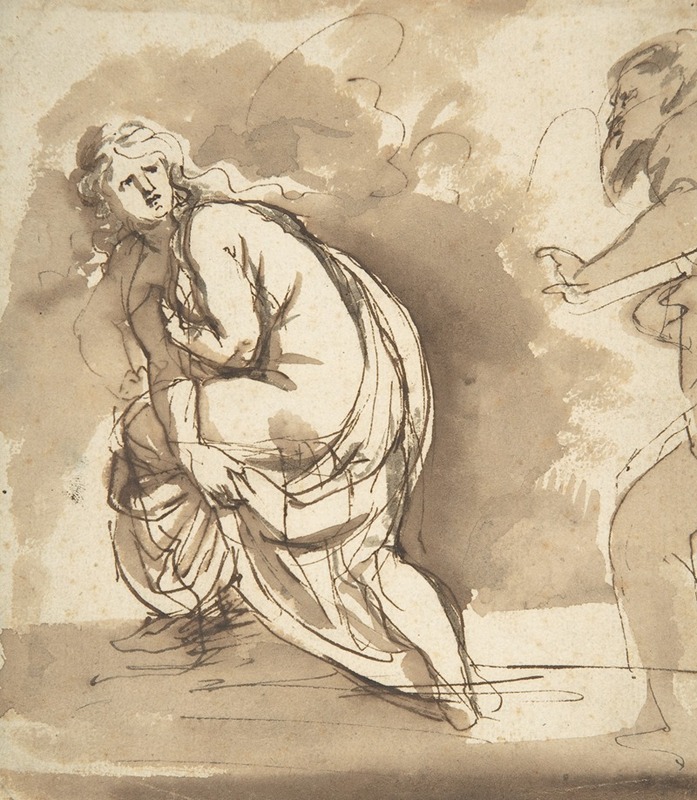
Discover insights about this artwork
Sleeping Cupid — History & Facts
In Sleeping Cupid, Caravaggio presents a young Cupid, depicted as a cherubic figure, sleeping peacefully. The colors are rich and warm, with deep reds and soft skin tones dominating the palette. The background is dark, creating a stark contrast that highlights Cupid's delicate features.
The play of light and shadow is characteristic of Caravaggio's style, enhancing the three-dimensionality of the figure. The painting is executed in oil on canvas, a medium that allows for the rich textures and vibrant colors seen in this work. The dimensions are approximately 80 x 100 cm, making it a medium-sized piece that invites close inspection. Viewers can appreciate the intricate details in Cupid's wings and the softness of his skin.
The chiaroscuro technique used here is a hallmark of the Baroque style, emphasizing the dramatic interplay of light and shadow. Caravaggio painted Sleeping Cupid during a period when he was exploring themes of love and beauty. This work reflects the artist's interest in mythological subjects, which was somewhat unusual for his time. An interesting fact about this painting is that it showcases Caravaggio's ability to blend realism with mythological elements, creating a relatable yet idealized figure.
The painting is housed in the Galleria Borghese, a museum known for its collection of Baroque art.
More Artworks by Caravaggio
Saint Matthew and the angel
Caravaggio

Medusa
Caravaggio
Portrait of a gentleman (Scipione Borghese)
Caravaggio
Madonna and Child with Saint Anne
Caravaggio
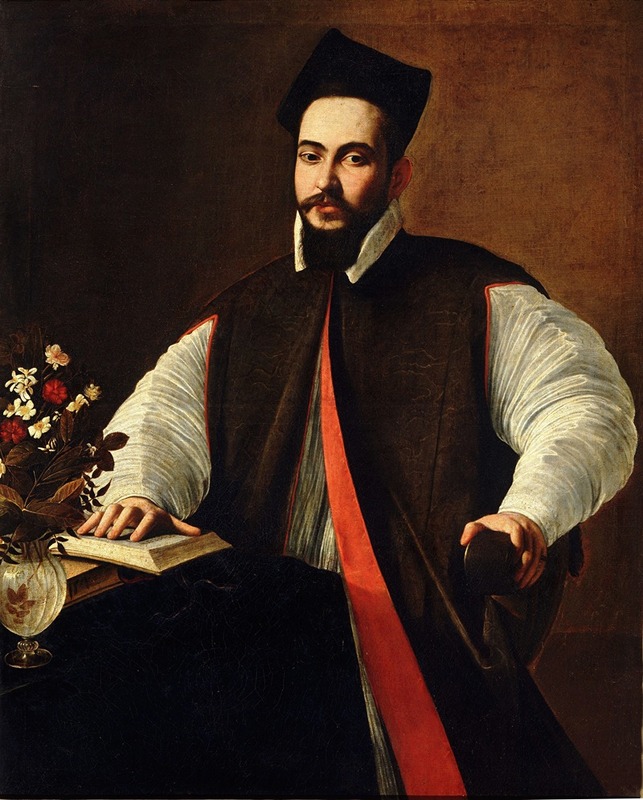
Portrait of Pope Urban VIII
Caravaggio
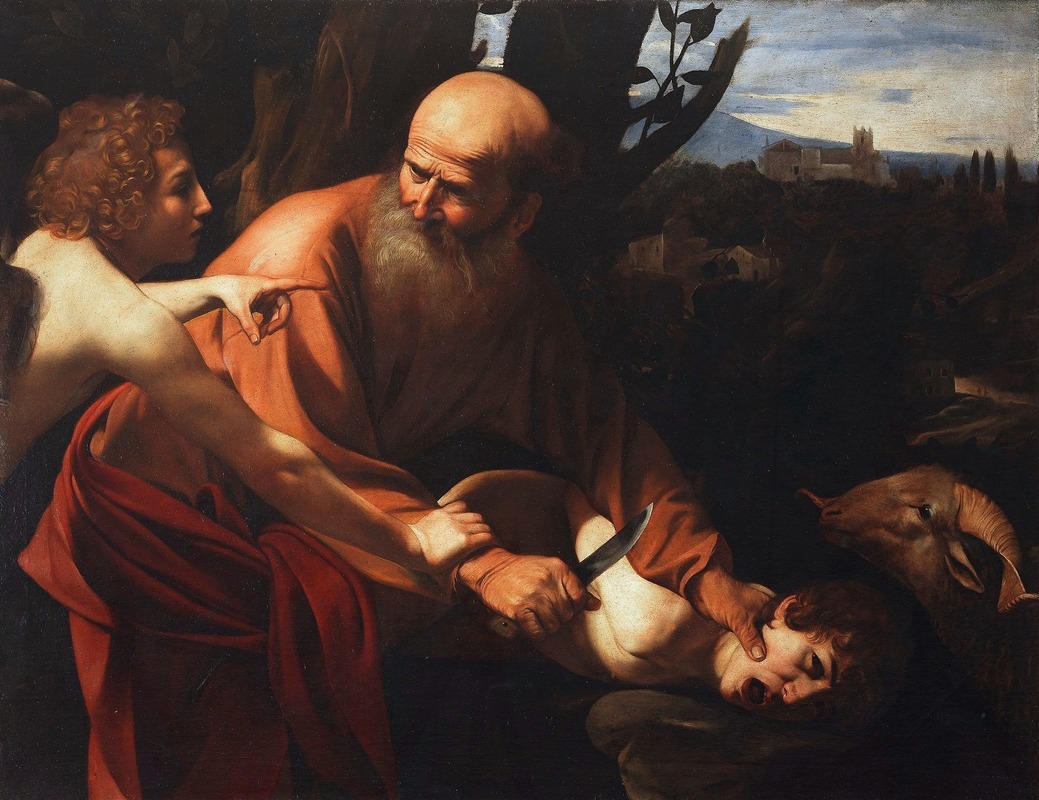
Sacrifice of Isaac
Caravaggio
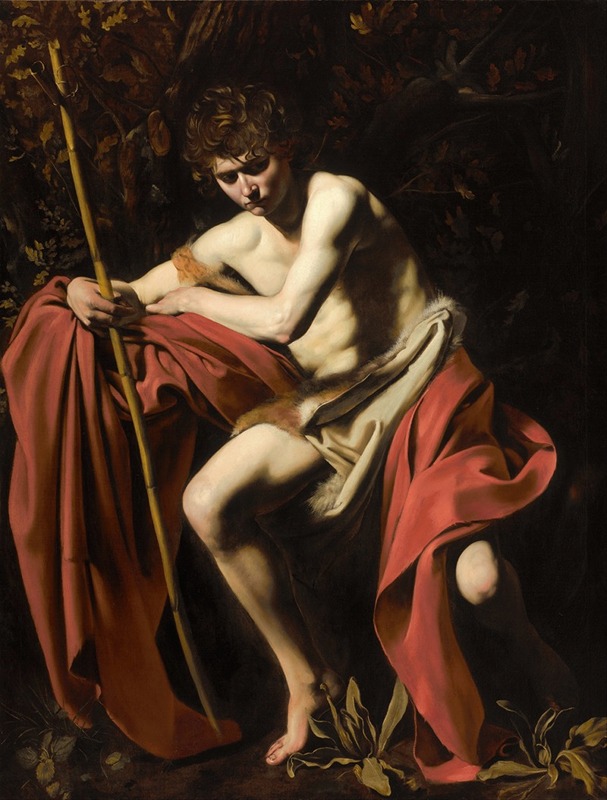
Saint John The Baptist In The Wilderness
Caravaggio
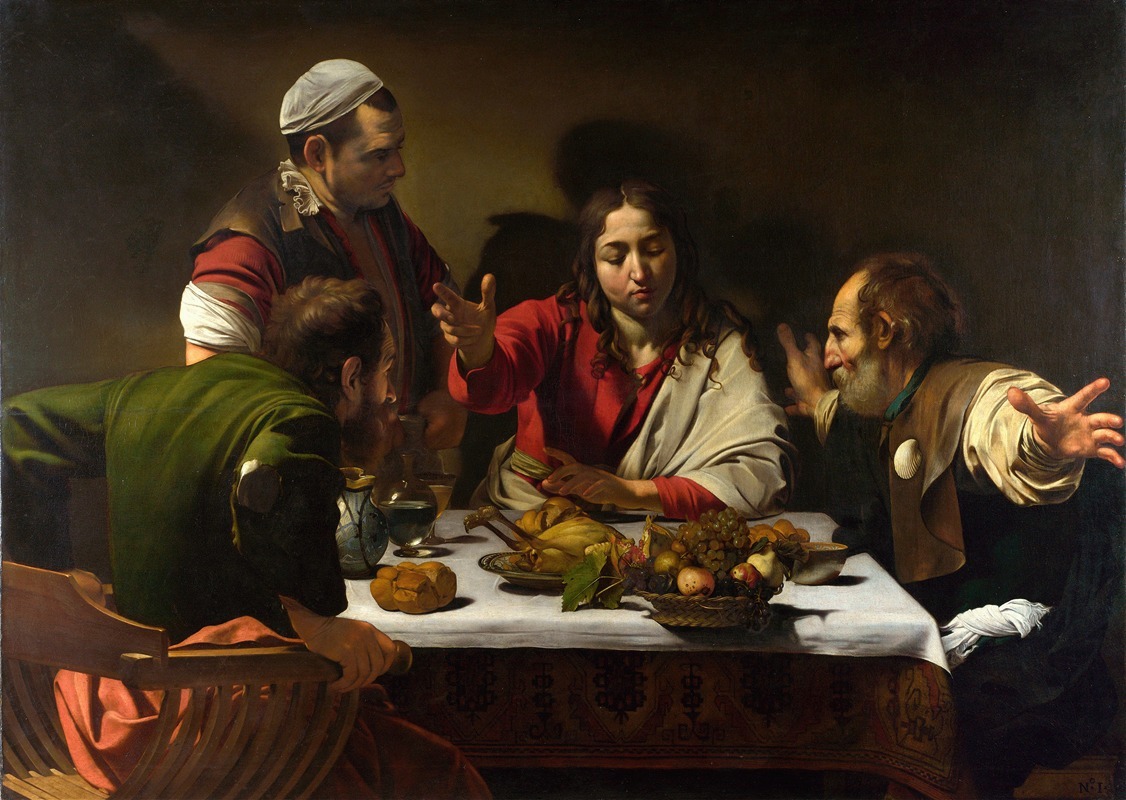
Supper at Emmaus
Caravaggio
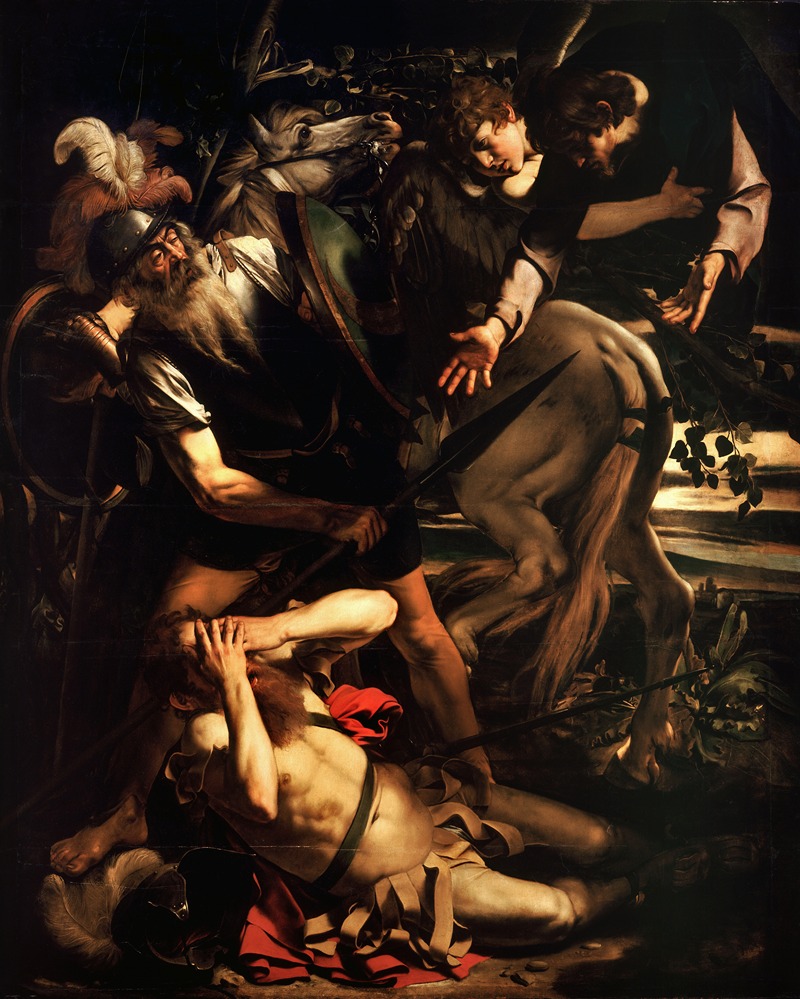
The Conversion of Saint Paul
Caravaggio
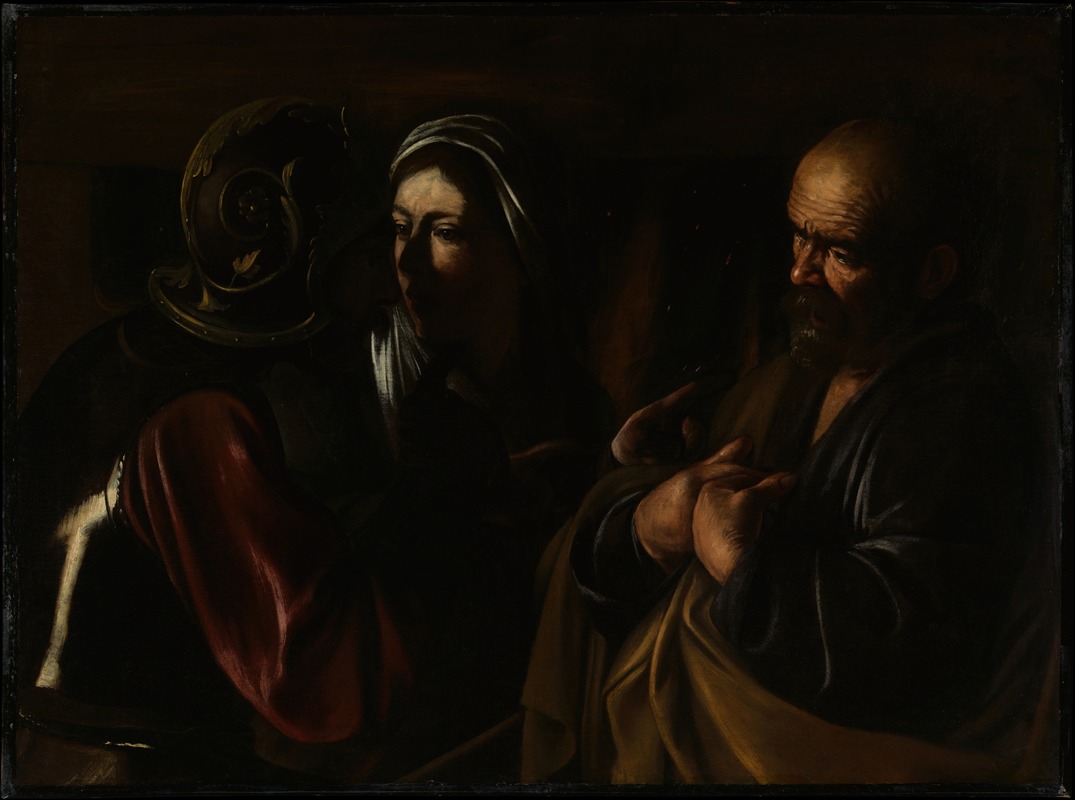
The Denial of Saint Peter
Caravaggio