Snow Scene — History & Analysis
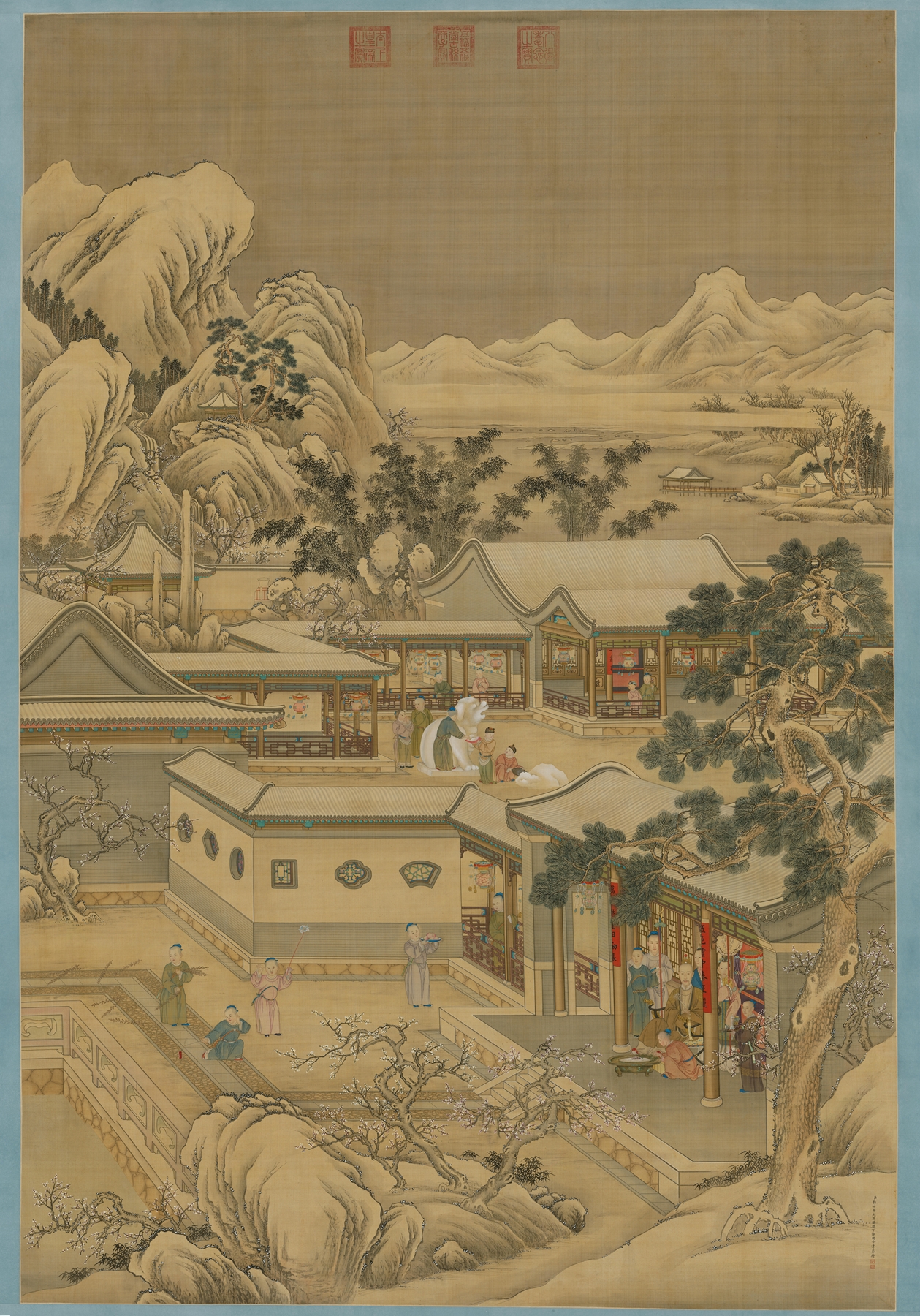
“Every brushstroke is a heartbeat remembered.” In Snow Scene, the act of creation pulses through the canvas, inviting us to reflect on the beauty and transience of nature. Look to the center of the painting where an ethereal blanket of snow blankets the ground, each stroke layered with delicate precision. Notice how the light dances across the surface, illuminating the soft edges of snowflakes and creating an almost tactile sensation. The gentle blues and whites harmonize with subtle hints of earthy browns, drawing you into a serene winter landscape that feels both timeless and alive.
Yet beneath this serene exterior lies a complex interplay of contrasts. The trees, cloaked in snow, stand as silent sentinels, their dark branches reaching for the sky, emphasizing the fleeting nature of winter beauty. There is a tension between warmth and cold, life and stillness — a reminder of the cycles we cannot escape. Each detail, from the intricate textures to the soft shadows, resonates with an emotional depth that speaks to the ephemeral quality of existence.
Giuseppe Castiglione, a Jesuit priest and accomplished artist, painted this piece in 1738 while residing in China, where he skillfully blended Eastern and Western artistic traditions. During this period, he was navigating a unique cultural landscape, infusing his work with influences from both realms. This painting reflects his mastery and adaptability, capturing a moment in time that feels both universal and deeply personal.