Spanish Church Interior — History & Analysis

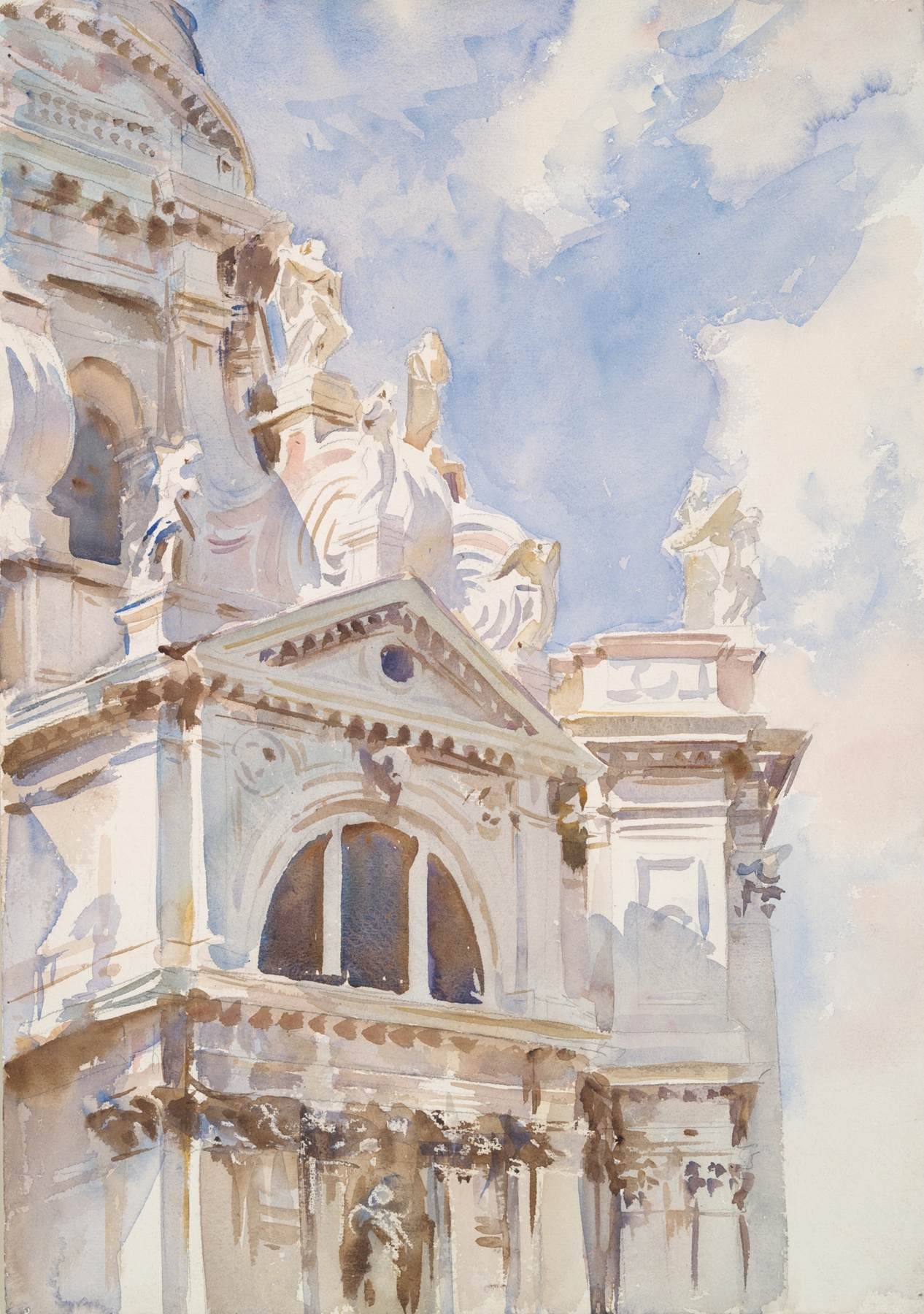
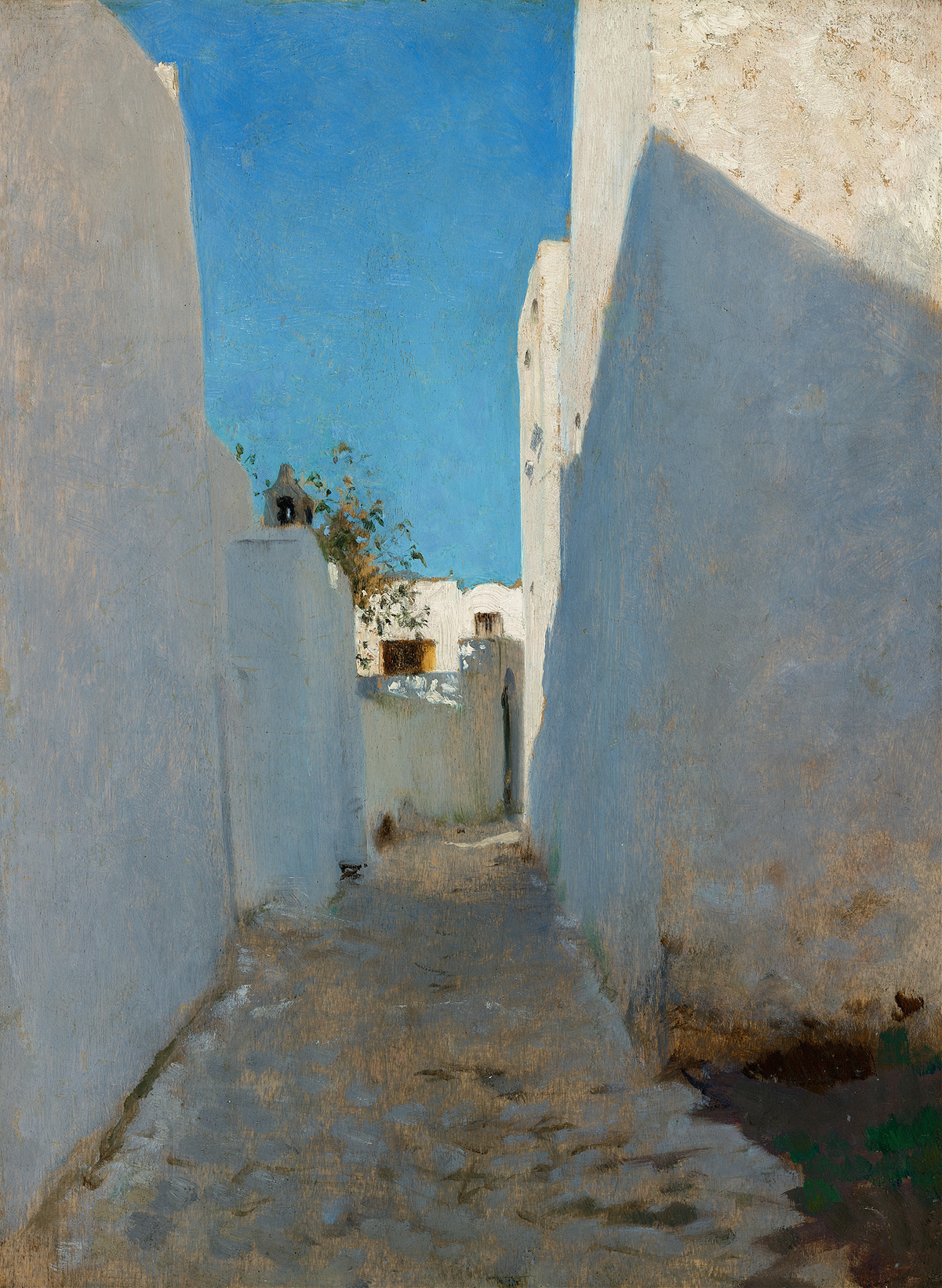
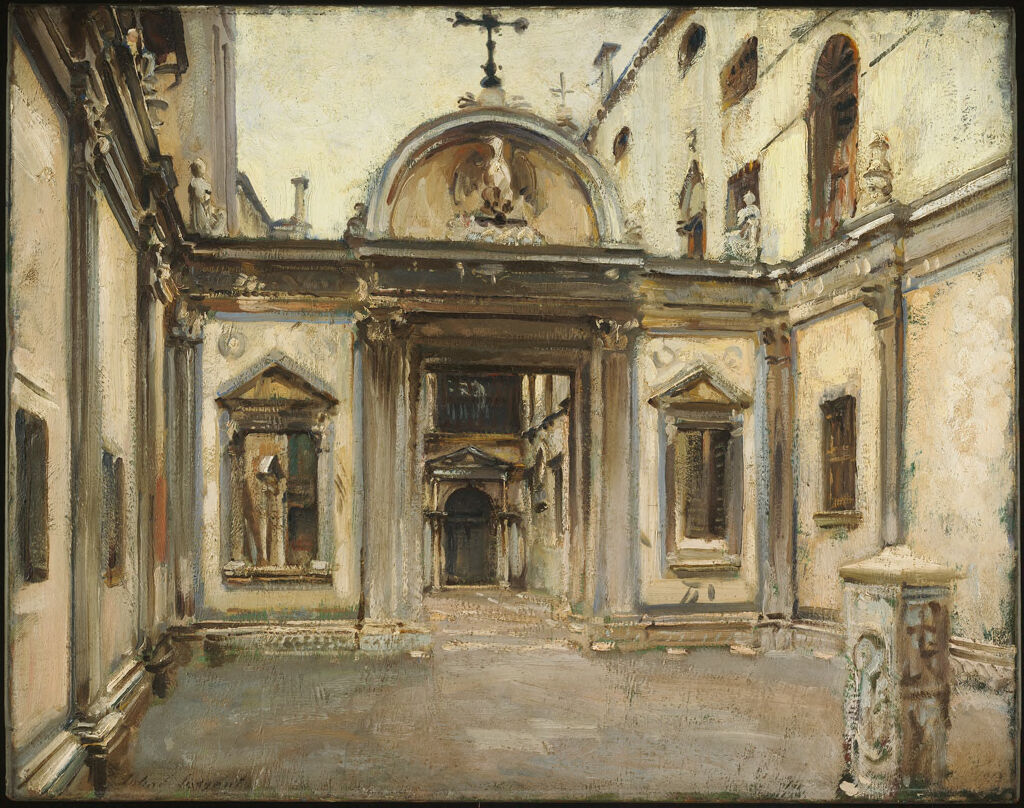
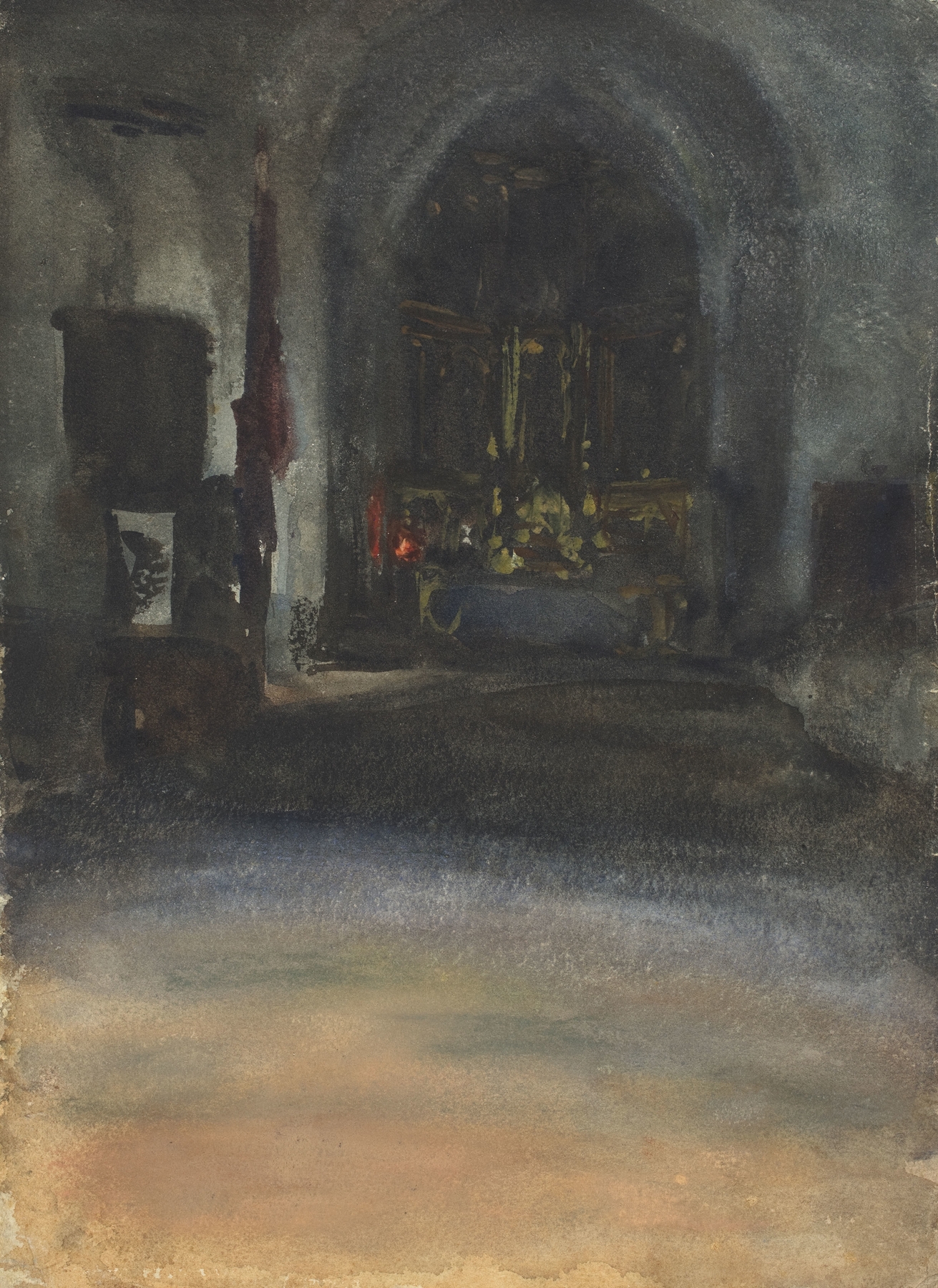
“Under the brush, chaos becomes grace.” In the hands of a master, the vibrant hues of life awaken from the chaos of the mundane, forming transcendent beauty. Look to the left at the bold strokes of deep crimson and gold that define the ornate altar, inviting your gaze inward toward the intricate details that shimmer like whispers of devotion. Notice how the light cascades through the stained glass, painting the stone walls with a kaleidoscope of colors, each hue lending an ethereal quality to the quiet reverence of the space. The composition is anchored by grand columns, leading the eye upwards, creating a sense of both stability and awe, while the shadows playfully dance in the corners, fostering an atmosphere of contemplative serenity.
The contrast between the robust architecture and the delicate interplay of light elicits a deep emotional response—the sacredness of the space juxtaposed with the fleeting nature of human experience. Each brushstroke encapsulates a moment in time, a reminder of the rituals performed within these walls, while the vibrant colors evoke a sense of awakening, urging the viewer to reflect on their own relationship with faith and beauty. It suggests the presence of life and spirituality even in stillness, where every detail pulses with an undercurrent of energy.
During the late 19th century, Sargent created this work in Spain, a period marked by his burgeoning reputation as a portraitist and a desire to explore new subjects. Immersed in the rich cultural landscape of Southern Europe, he was drawn to the interplay of light and architecture, capturing the essence of places that inspired him. This era in his life was crucial for his artistic growth, as he shifted from the confines of portraiture to broader explorations of form and ambiance, laying the groundwork for his future masterpieces.