Tammisaari Church — History & Analysis
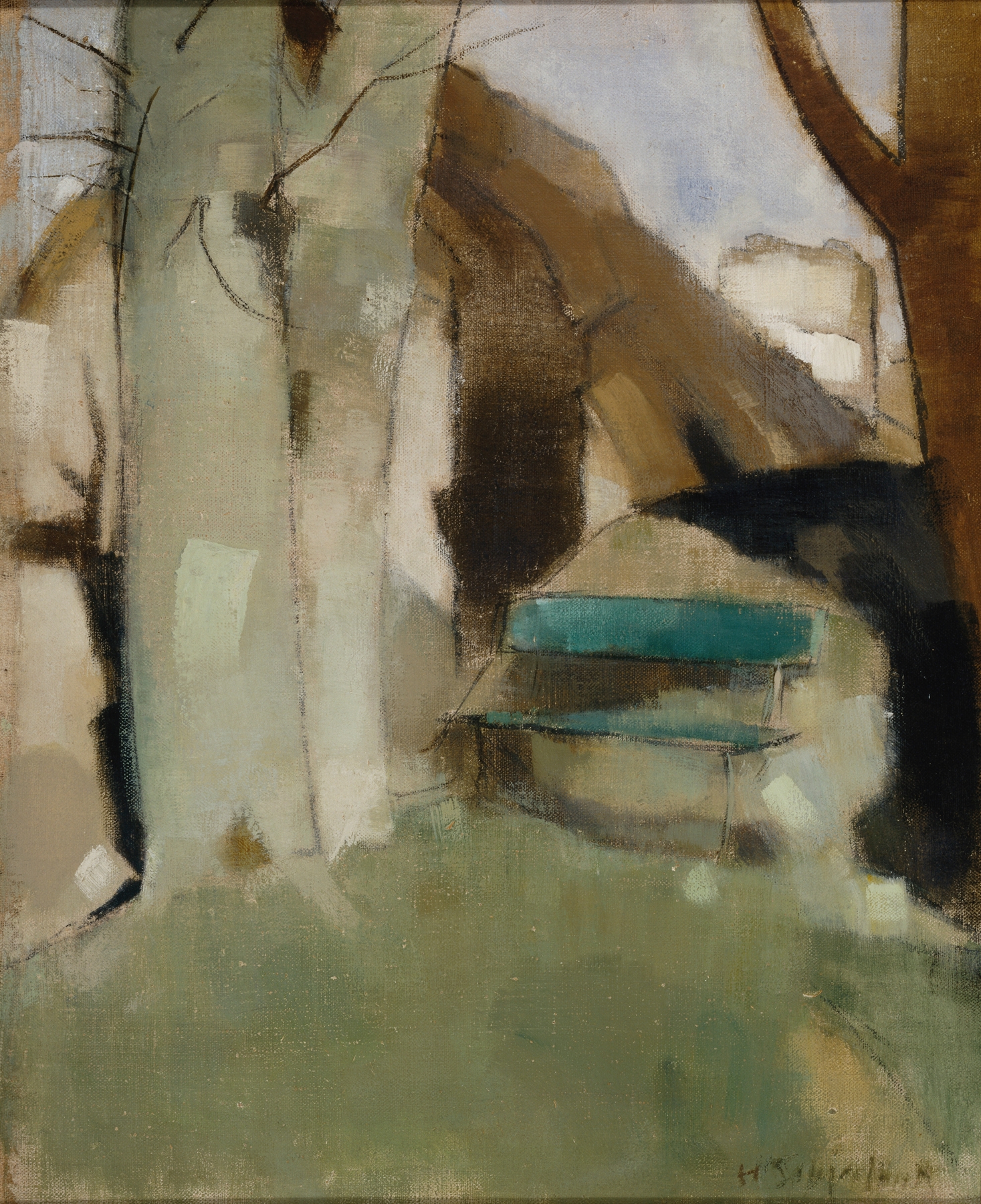
Can paint confess what words never could? In Tammisaari Church, color becomes a language all its own, speaking of stillness and reverence. Look to the left at the soft hues of the church’s façade, where muted grays and warm ochres blend seamlessly, suggesting the passage of time. The light spills gently across the surface, illuminating the texture of the weathered stones, while the surrounding landscape—lush greens and earthy browns—frames the scene with a comforting embrace.
Notice how the artist’s brushstrokes convey a sense of quietude, with each stroke seeming to breathe life into the tranquil atmosphere. Beneath its serene exterior, the painting pulses with deeper meanings. The juxtaposition of light and shadow hints at the interplay between spirituality and the mundane, a reminder of the human experience intertwined with the divine. The simplicity of the composition belies a complexity that speaks to solitude and reflection, invoking a contemplative mood that resonates with the viewer long after they leave.
Each color choice appears deliberate, as if to evoke not just a physical space, but an emotional one where words fall short. Helene Schjerfbeck painted Tammisaari Church between 1890 and 1891 during a period of exploration and introspection in her life, while living in Finland. This era marked her emerging style, influenced by her studies in France and an increasing focus on the emotional resonance of everyday scenes. As she transitioned toward a more personal and expressive approach, her work began to reflect her own contemplations on identity, faith, and the environment that surrounded her.