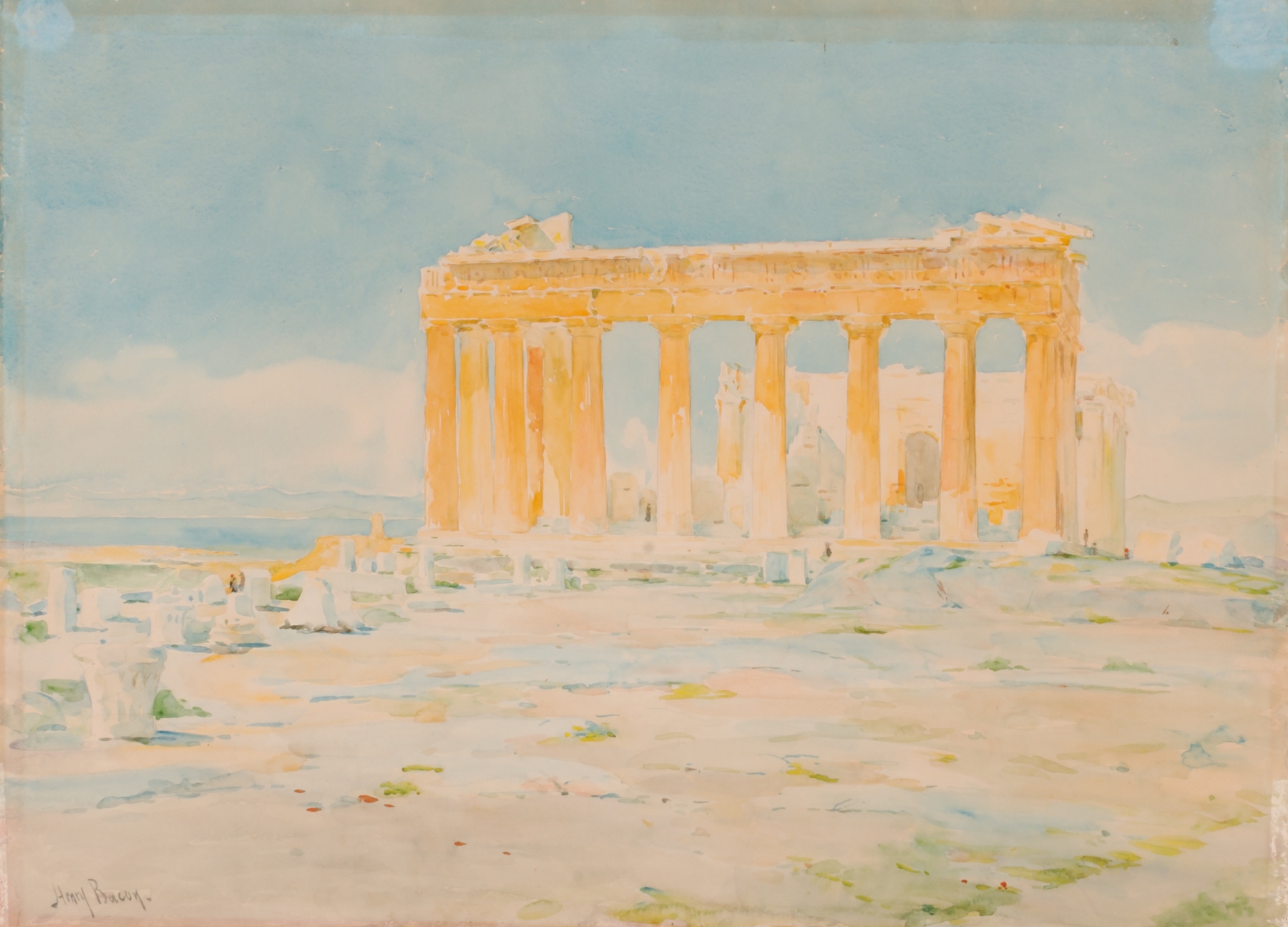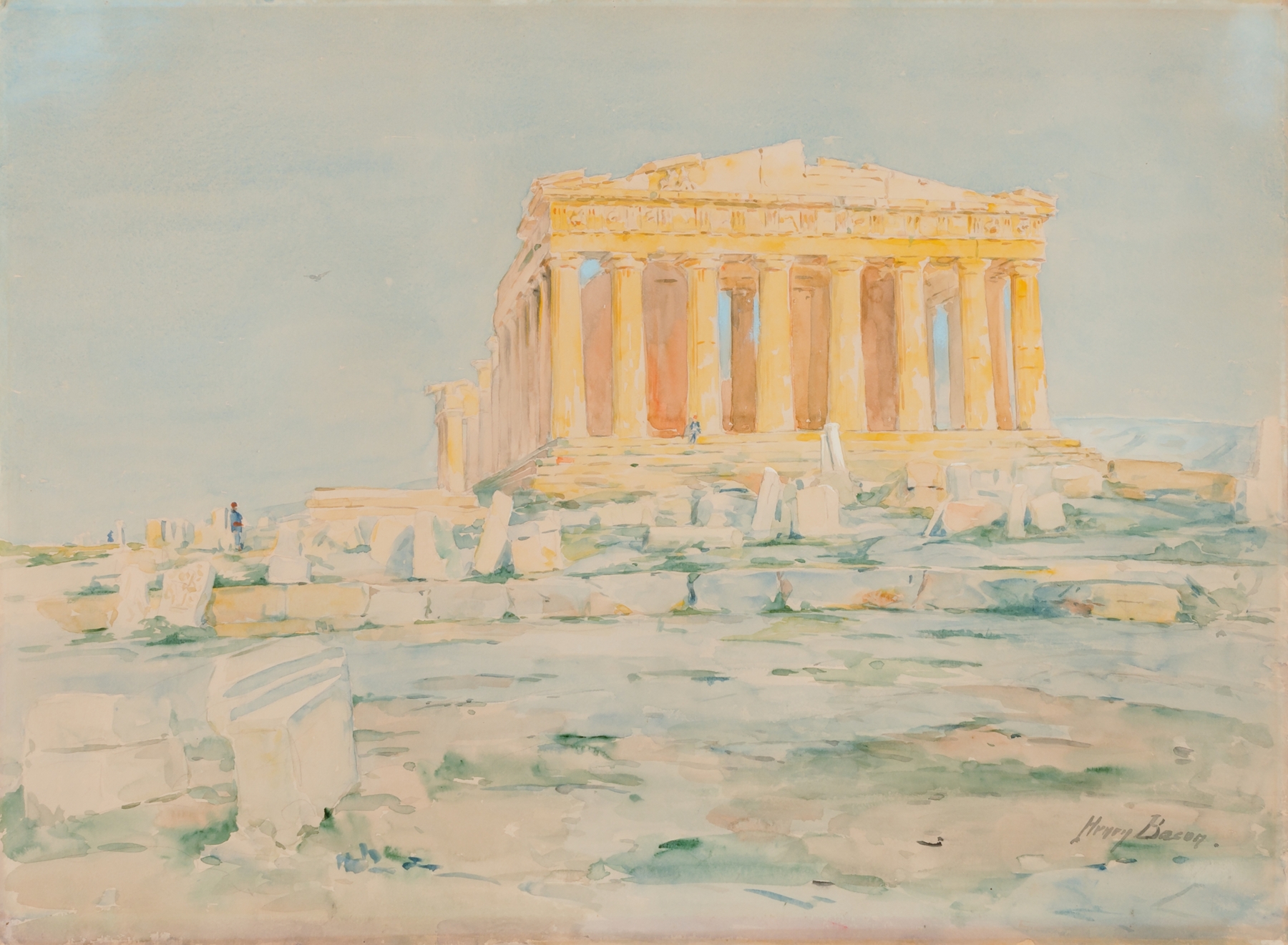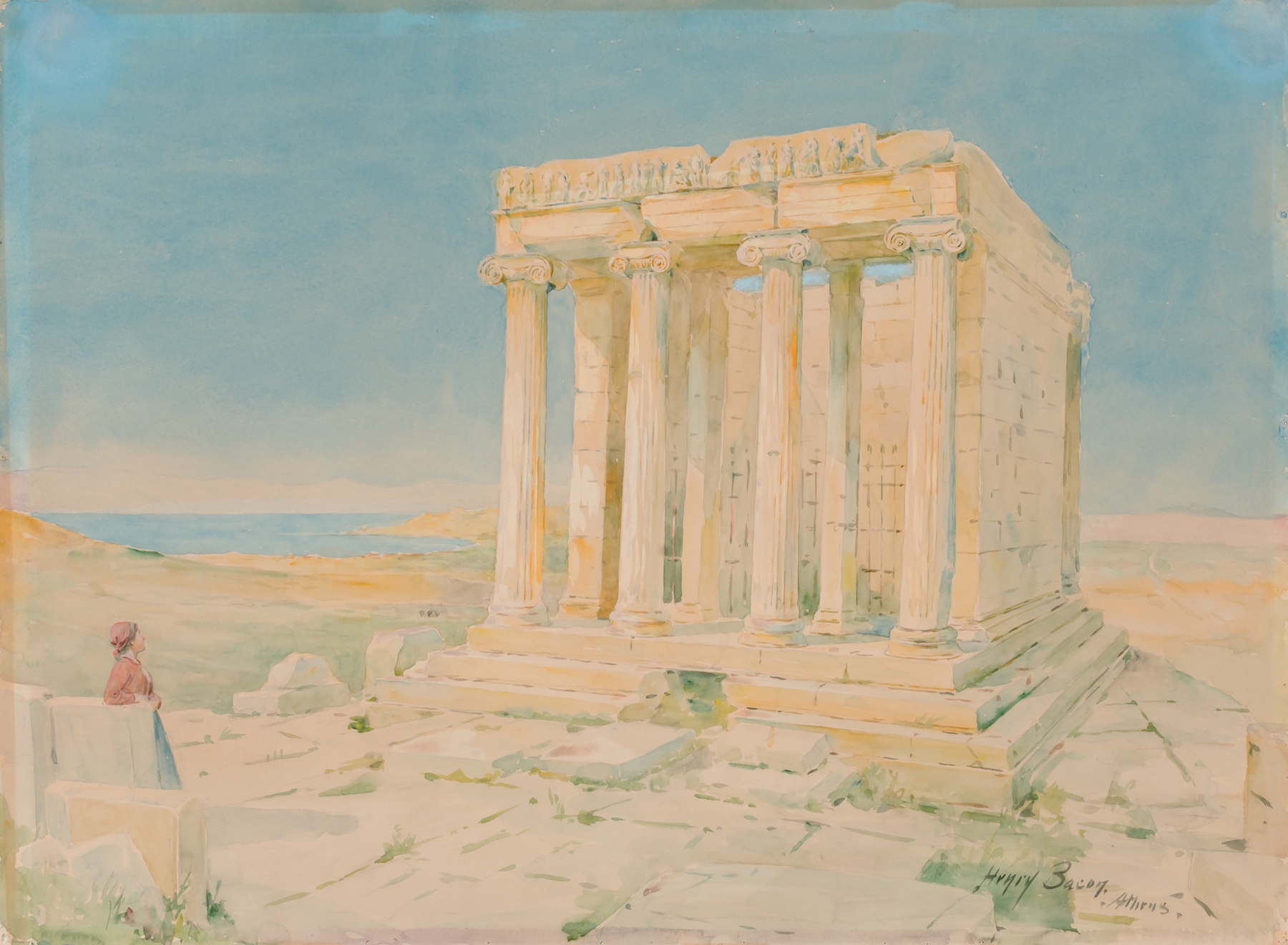
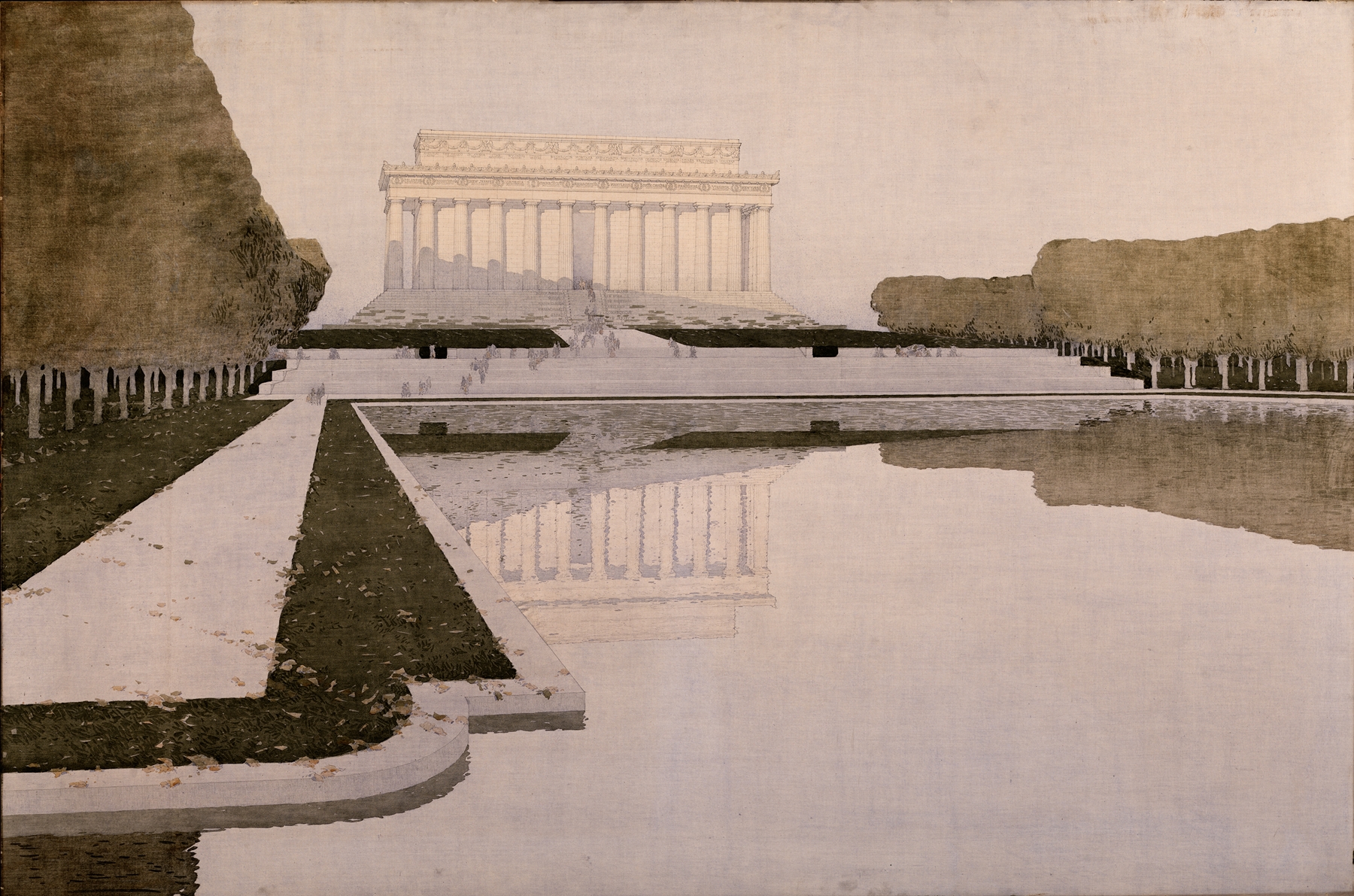
“Every brushstroke is a heartbeat remembered.” In a world saturated with noise, the emptiness of a structure can echo louder than the voices within it. How do we confront the void, the spaces where memory lingers yet the past has dissolved? Look closely at the composition before you. The *Temple of Nike Apteros* stands resolutely at the center, its classical lines rendered with a precision that invites reflection. The stark white marble contrasts sharply against the muted earth tones surrounding it, drawing our gaze inward. Notice the play of light cascading across the temple’s façade, illuminating the careful details of its columns while casting long shadows that stretch toward the viewer, almost pleading for exploration. The stillness of the scene envelops you, suggesting a moment frozen in time. Delve deeper into the emotional landscape of the work. The empty space within the temple signifies not just absence, but the weight of history and the fragility of human experience. The contrast between the solidity of the architecture and the ethereal quality of the surrounding landscape evokes a search for meaning in something that has become mere remnants. This interplay of presence and absence stirs a quiet longing, challenging us to contemplate what has been lost, and what remains. Henry Bacon crafted this interpretation of the *Temple of Nike Apteros* in the early 20th century, during a time when neoclassicism was being revisited alongside the burgeoning modernist movement. The artist, influenced by the shift in artistic perspectives, sought to blend traditional architectural forms with contemporary ideals, reflecting both a reverence for the past and a yearning for modern identity. This piece stands as a testament to that era's complex dialogue between memory and the passage of time.