Temps d’orage sur la mer — History & Analysis
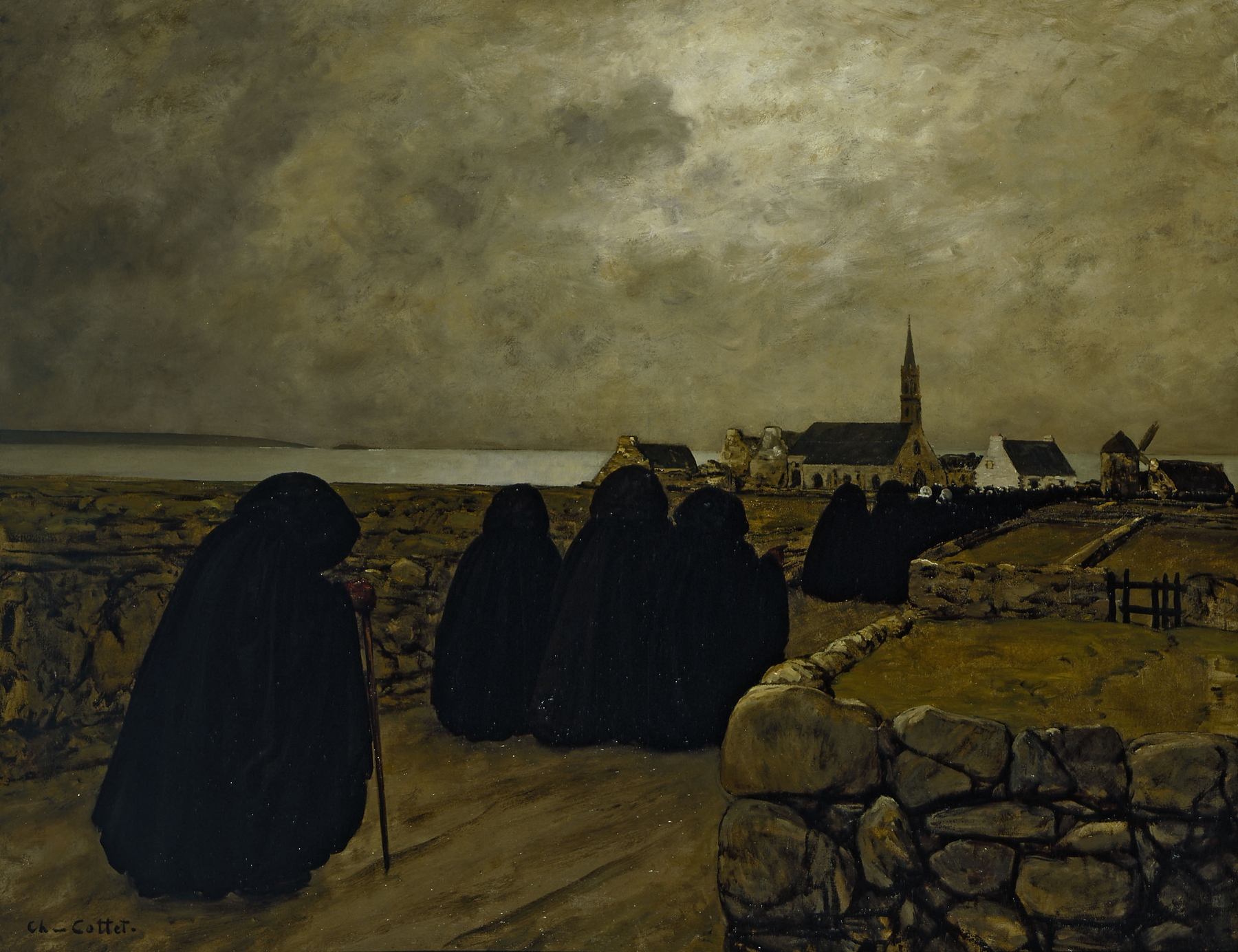
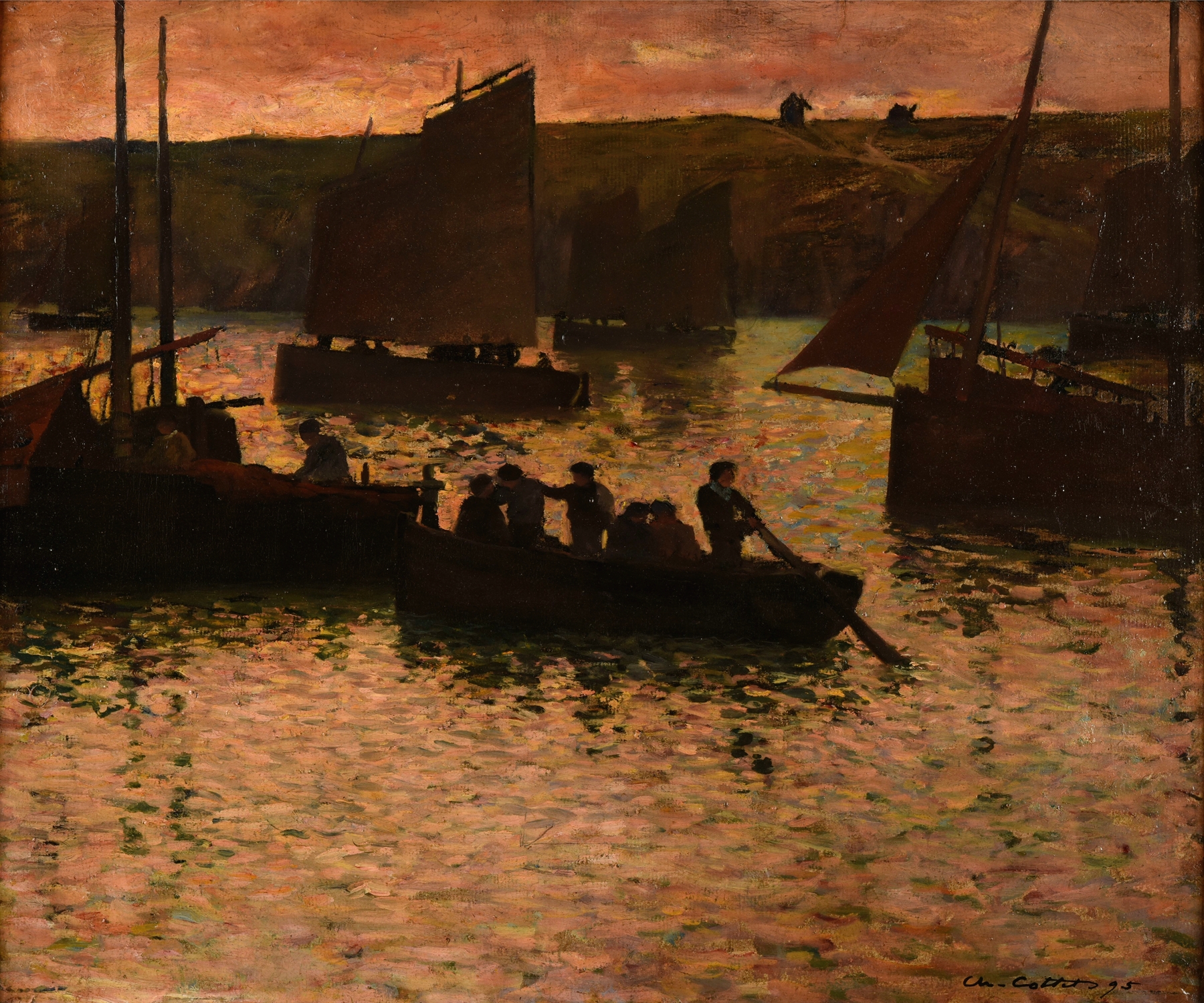
Could a single brushstroke hold eternity? In Temps d’orage sur la mer, the tempestuous sea becomes a canvas for nature’s fury and beauty, capturing the essence of creation in every wave and cloud. Focus first on the horizon, where dark, swirling clouds loom ominously, hinting at an impending storm. The artist employs a palette of deep blues and grays, punctuated by flashes of white that crackle in the tumultuous skies and reflect on the churning waters below.
You can feel the tension in the brushwork—thick, expressive strokes combine chaos with grace, drawing the viewer's eye into the depths of the sea's tumult and the atmosphere's volatile energy. Hidden within the tumultuous scene are contrasts that echo the duality of life—calm before storm, tranquility amid chaos. Notice how the darker hues dominate the canvas, yet small hints of lighter colors weave through, suggesting a fleeting moment of hope. This tension between despair and beauty embodies the struggle within creation itself, where chaos often births magnificent beauty.
In 1904, while living in France, Charles Cottet was amidst a burgeoning movement of artists embracing the raw power of nature. This period saw a shift towards expressive landscapes, resonating with both a personal quest for meaning and a collective fascination with the unpredictable forces of the world. Cottet's work reflects not only his artistic evolution but also the broader dialogue of his time, embracing the emotional depth of nature's grandeur.