
The Adoration of the Magi — History & Analysis
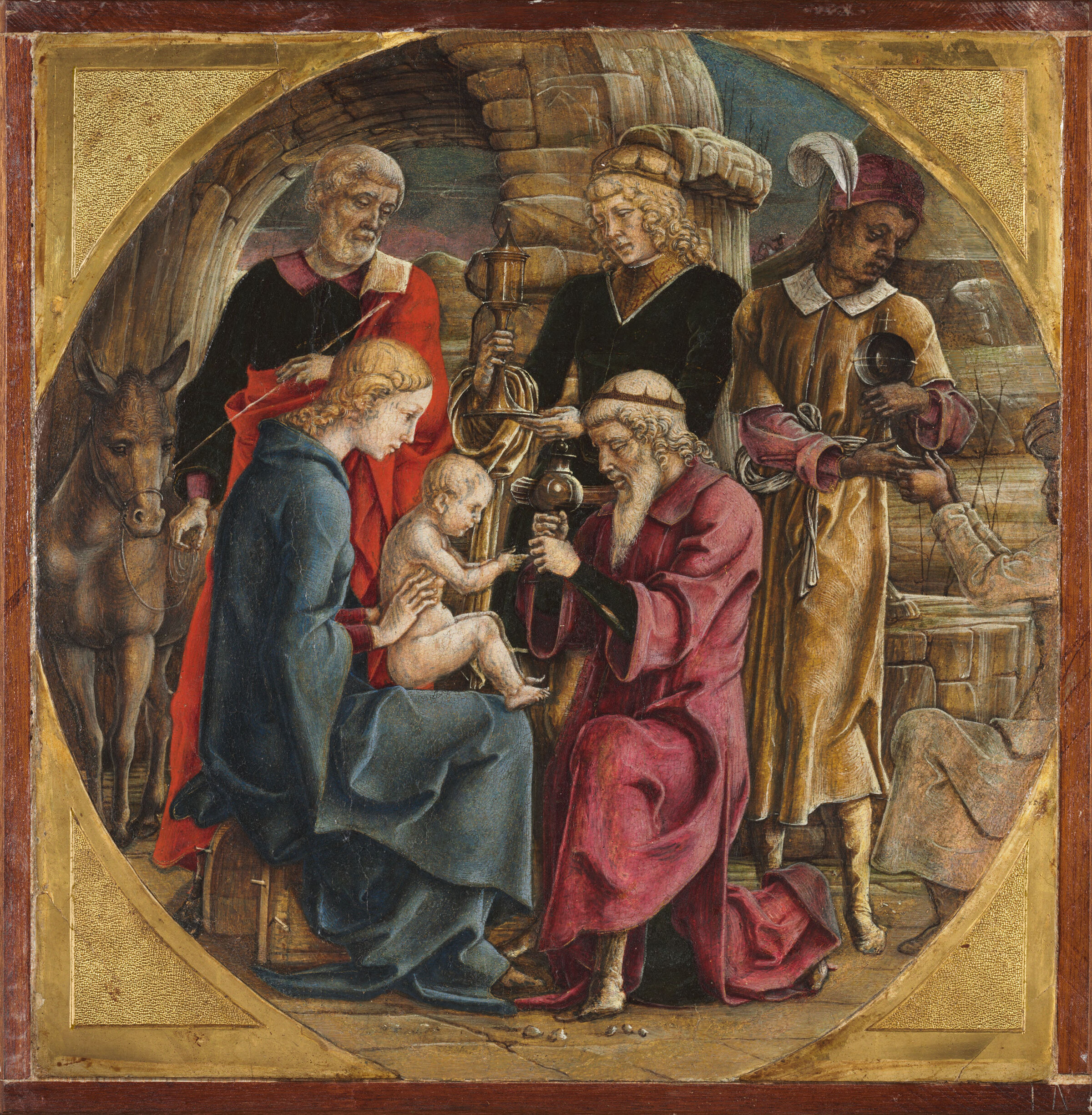
In a sacred yet intimate chamber, three figures, adorned in opulent robes, kneel reverently before a radiant infant. The golden light emanates from the child, illuminating their faces with a warmth that contrasts the cool shadows lurking in the corners. Each gesture—a hand raised, a bowed head—speaks of awe and humility, uniting them in a shared moment of divine recognition. Look to the left at the delicate folds of the Magi’s richly embellished garments, each intricate detail gleaming like whispers of history.
Notice how the painter employs a striking palette of golds and deep blues, enhancing the scene's emotional gravity. The composition draws the eye toward the central figures, guiding us through a dance of color and form, while the background recedes into a swirling mist, suggesting a world both near and far away. Beneath the surface of this sacred event lies a poignant tension between the earthly and the celestial. The Magi, representing humanity’s quest for truth, are caught in a moment of pure devotion, yet their regal attire hints at the burdens of their status.
This duality evokes a sense of nostalgia, reminding us of the simplicity and purity that often eludes those burdened by worldly concerns. Created around 1480, the artist was deeply immersed in the vibrant cultural milieu of Ferrara, Italy. This period marked a rich intersection of Renaissance ideals and personal expression, as Tura sought to challenge traditional iconography through his unique approach to color and form. This painting reflects not only the spiritual fervor of the time but also the artist's quest to capture the ineffable beauty of divine moments.