
The Adoration of the Magi — History & Analysis
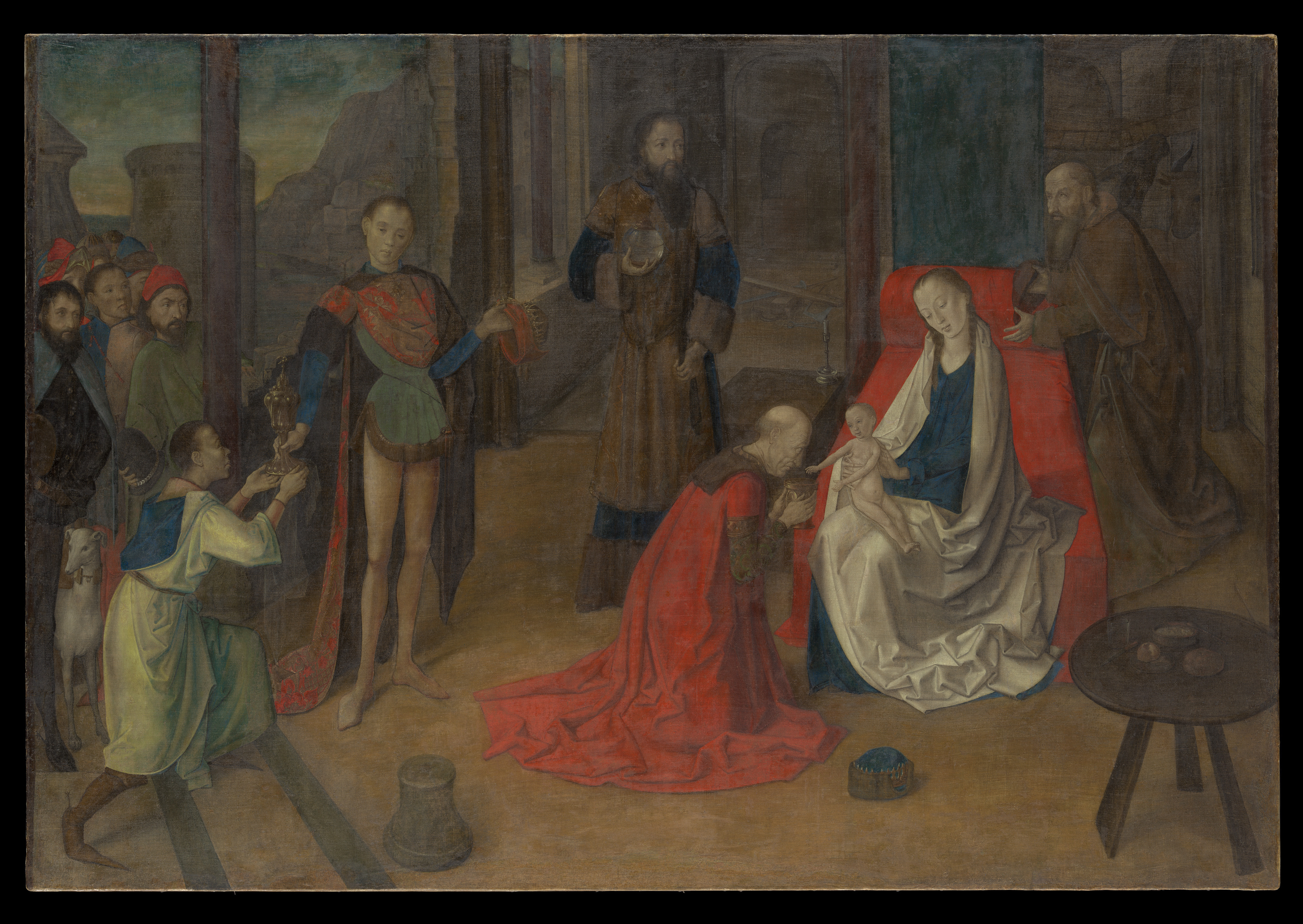
The air is thick with reverence as three elegantly robed figures kneel before the Christ Child, their gifts shimmering in the soft light. Shadows dance around the stable, where the warmth of devotion envelops the scene, contrasting with the coldness of the world outside. Each Magus, an embodiment of time and distance, brings a unique offering that speaks of both awe and humility. Above them, an ethereal glow hints at the divine, illuminating the moment with a sacred presence. Look to the center of the composition, where the Christ Child is cradled by His mother. Notice how the light falls upon His face, radiating warmth and innocence, drawing the eye like a magnet.
The rich colors of the Magi’s robes—the deep reds, vibrant blues, and lush greens—contrast beautifully with the earthy tones of the stable. Each figure is rendered with meticulous detail, their facial expressions capturing the profound wonder of this moment. The placement of the figures, forming a triangular composition, guides the viewer's gaze towards the divine centerpiece. Beneath the surface, this artwork contemplates the passage of time and the universality of faith. The Magi, representing different cultures and epochs, symbolize the journey of humanity toward enlightenment.
Their gifts—gold, frankincense, and myrrh—carry deeper meanings: gold for kingship, frankincense for divinity, and myrrh for mortality. This juxtaposition creates a poignant tension, inviting viewers to reflect on the ephemeral nature of life and the enduring significance of this holy encounter. During the years 1472 to 1474, Joos van Wassenhove created The Adoration of the Magi in Bruges, a thriving center of trade and art. This period was marked by a burgeoning interest in realism and emotion in European painting. Influenced by the Flemish tradition, Wassenhove sought to balance the sacred themes with meticulous detail, which was becoming increasingly important in the art world of the time.