The Battle of the Nile — History & Facts
At night in a bay, a French warship has blown up: a huge fireball of orange and yellow flame and smoke fills the center of the canvas, lighting the sails of the ships around it. In the foreground, survivors float in the dark water among wreckage, and a small boat pushes through the debris. This is the moment at about ten in the evening when the French flagship exploded in the Battle of the Nile, fought at night in Abu Qir Bay near Alexandria in 1798. Tate explains that Nelson found the French fleet at anchor and attacked, and that the victory secured British control of the Mediterranean.
Philip James de Loutherbourg, who worked in Britain, painted the scene in 1800, and Tate says it shows what was taken for granted at the time as a British victory. De Loutherbourg also painted the Glorious First of June, another great fleet battle, which is now at Greenwich. Tate bought this canvas in 1971 with assistance from the Friends of the Tate Gallery. It is in the Tate collection in London.
More Artworks by Philip James de Loutherbourg
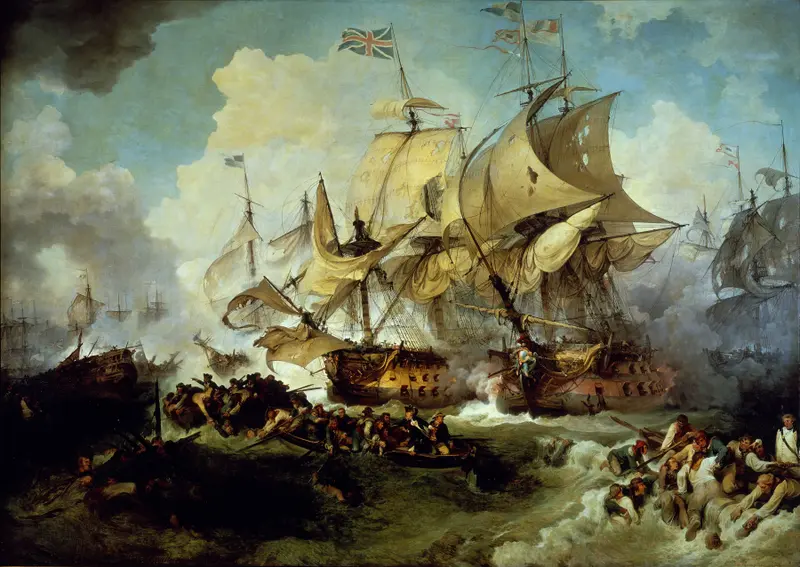
The Glorious First of June
Philip James de Loutherbourg
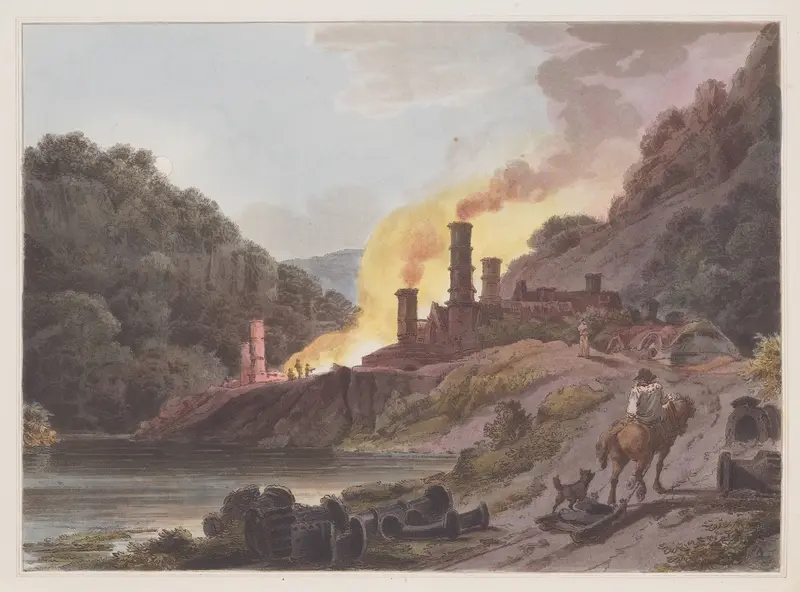
Iron Works, Colebrook Dale
Philip James de Loutherbourg
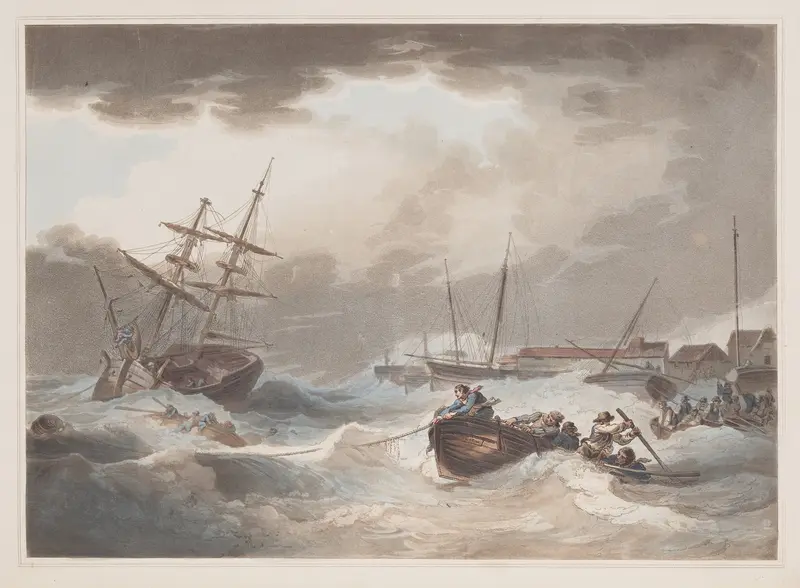
Storm off Margate
Philip James de Loutherbourg
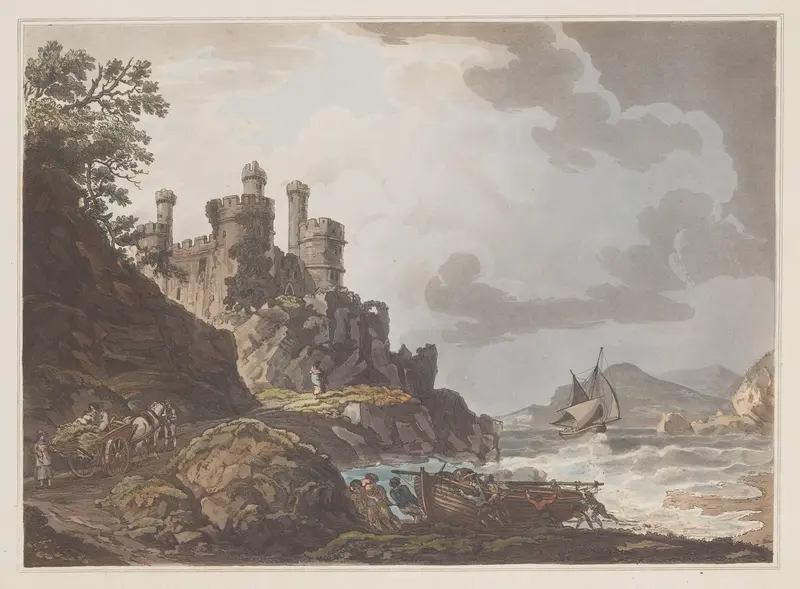
Conway Castle
Philip James de Loutherbourg

Chepstow Castle in Monmouthshire
Philip James de Loutherbourg

Cataract on the Llugwy
Philip James de Loutherbourg

Tintern Abbey
Philip James de Loutherbourg
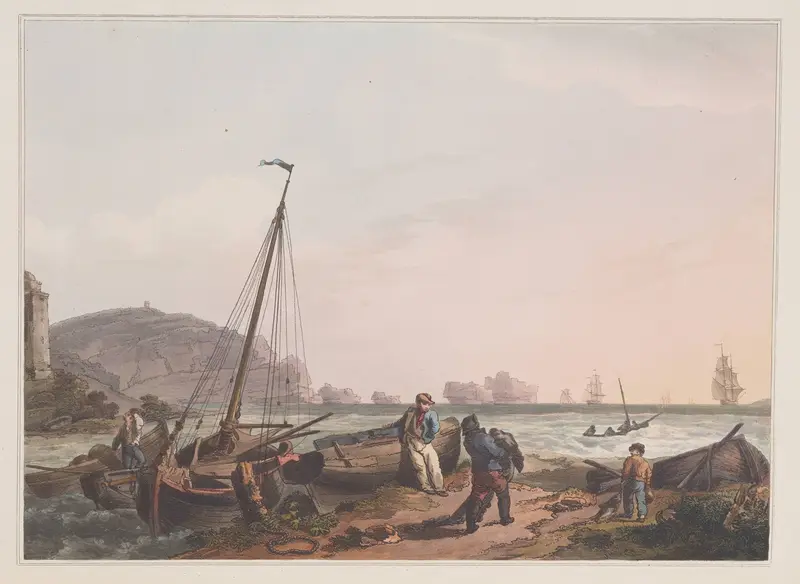
The Needles. Isle of Wight
Philip James de Loutherbourg

Peak’s Hole, Derbyshire
Philip James de Loutherbourg
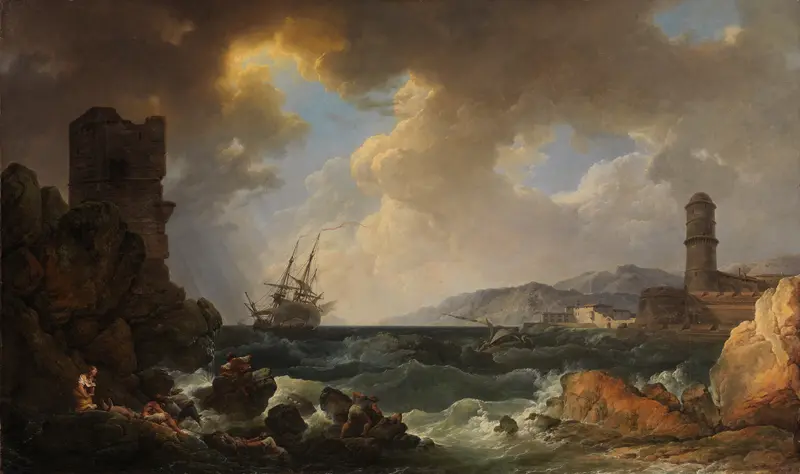
A Storm at the Entrance of a Mediterranean Port
Philip James de Loutherbourg