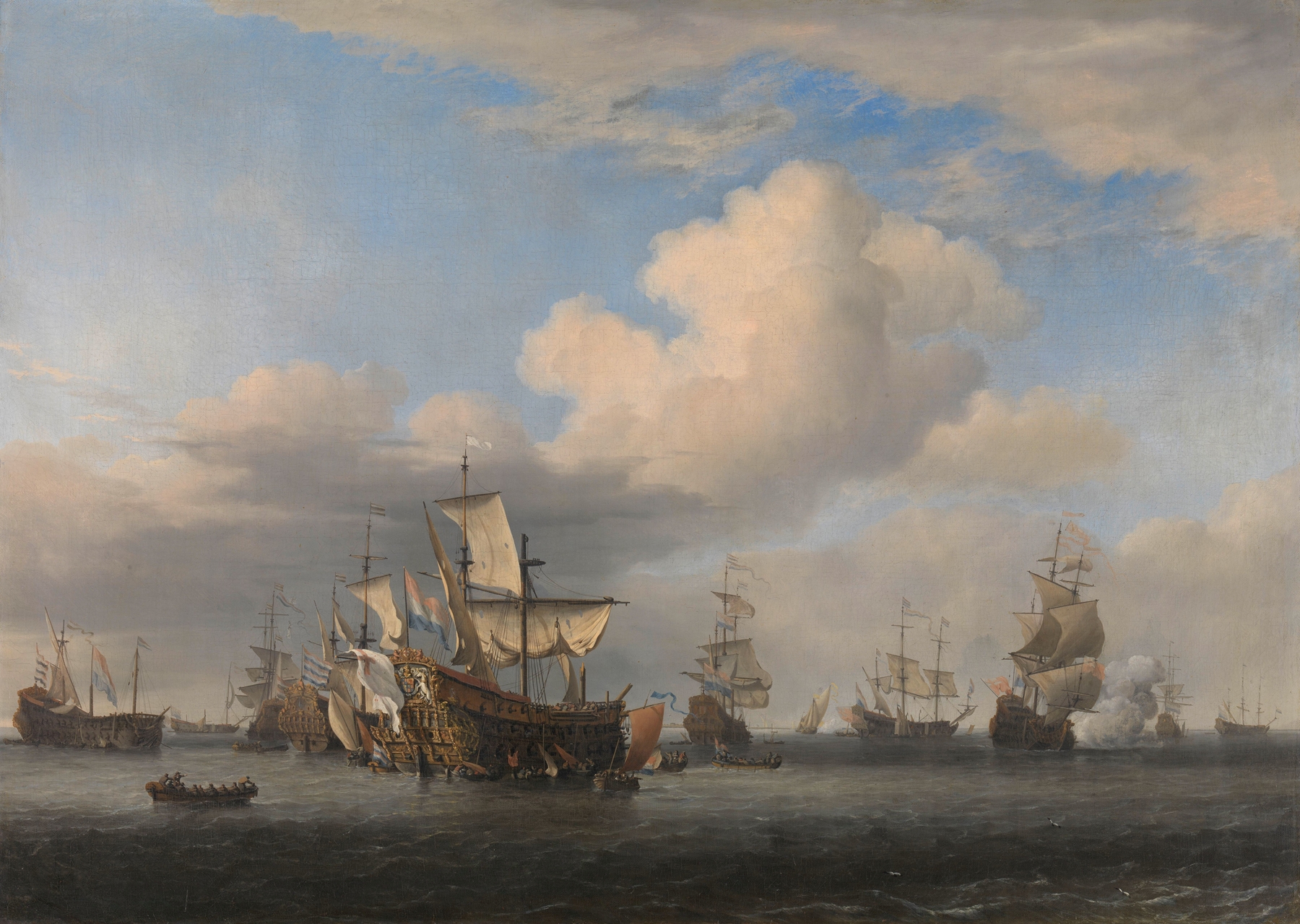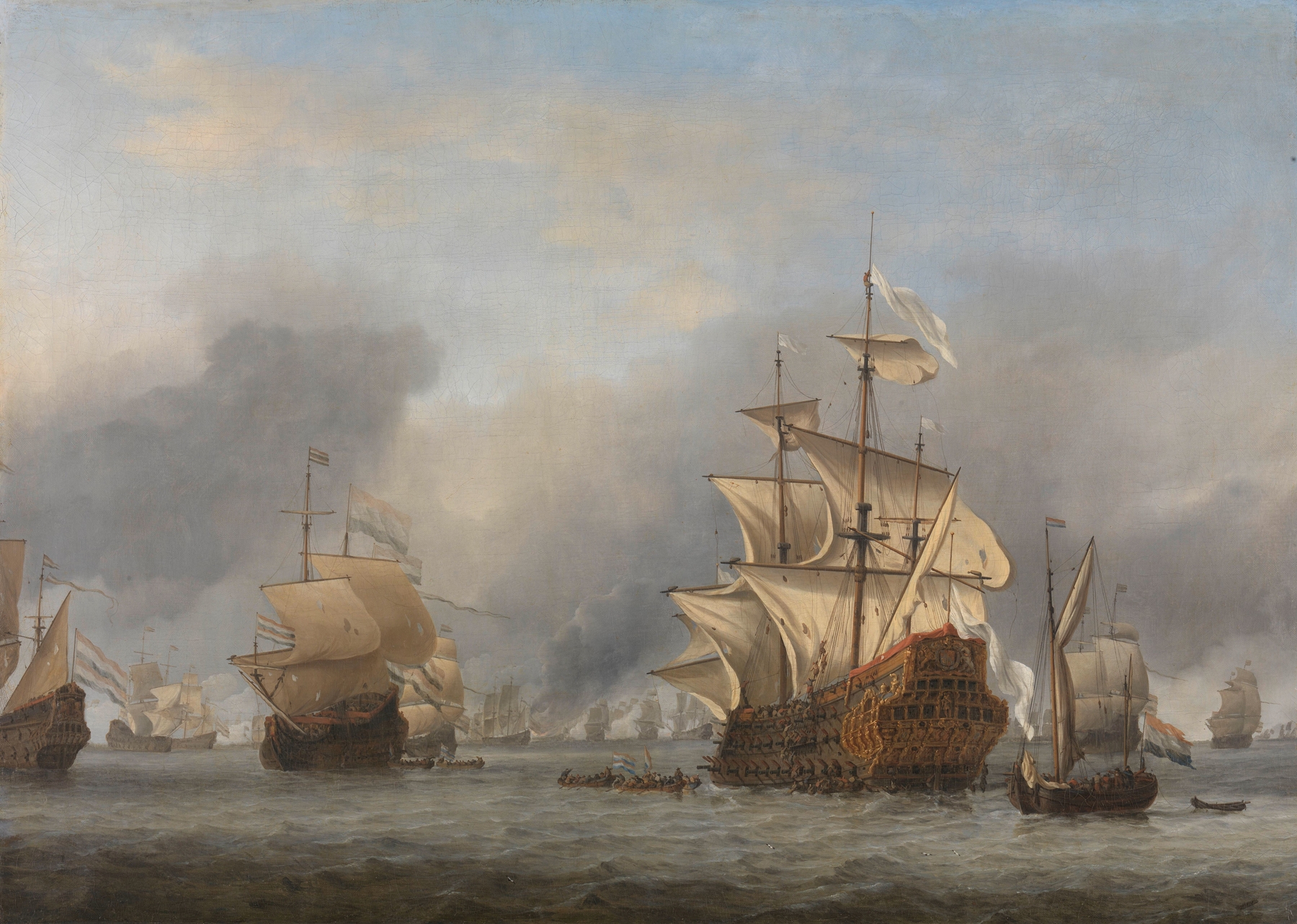
The Capture of the Royal Prince — History & Analysis
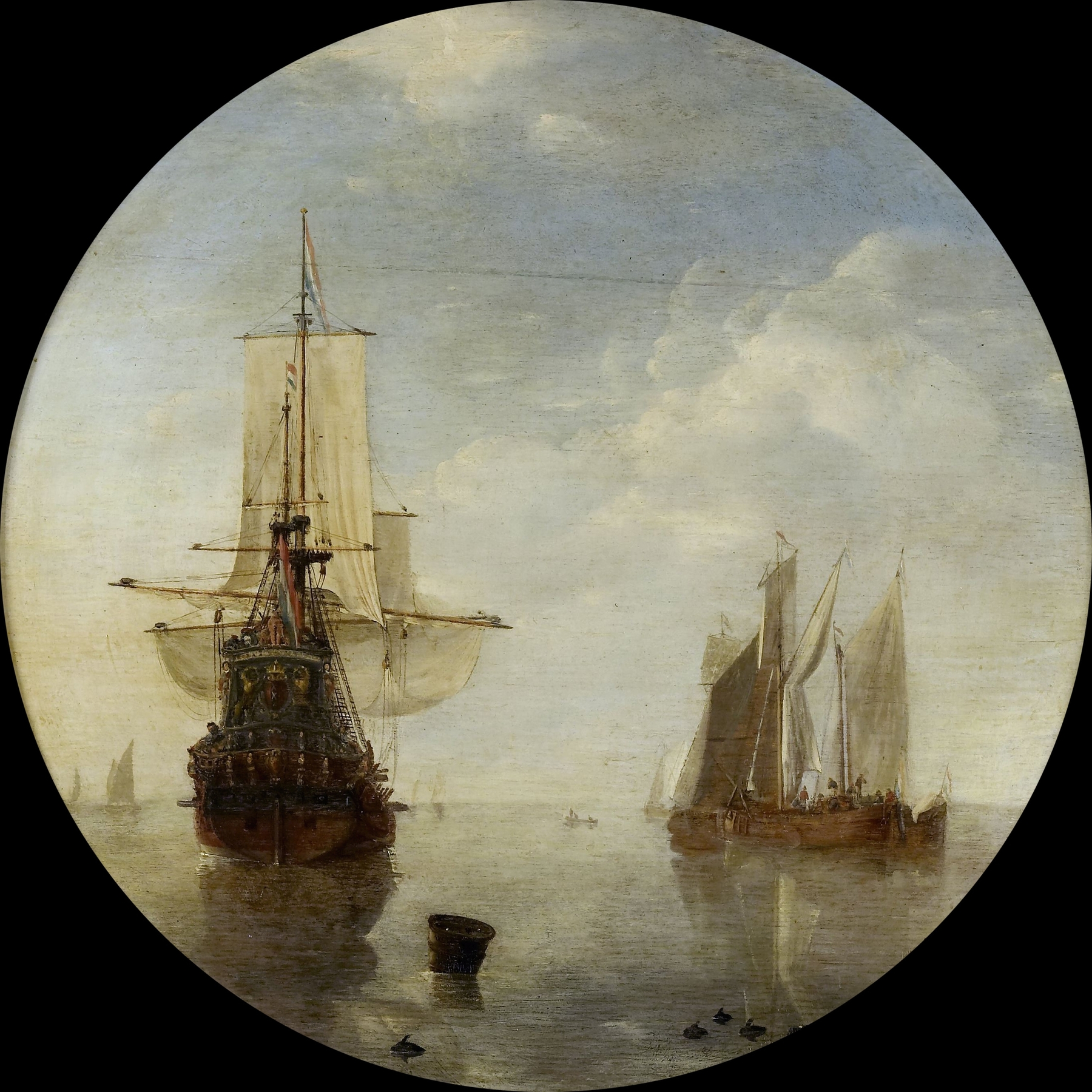
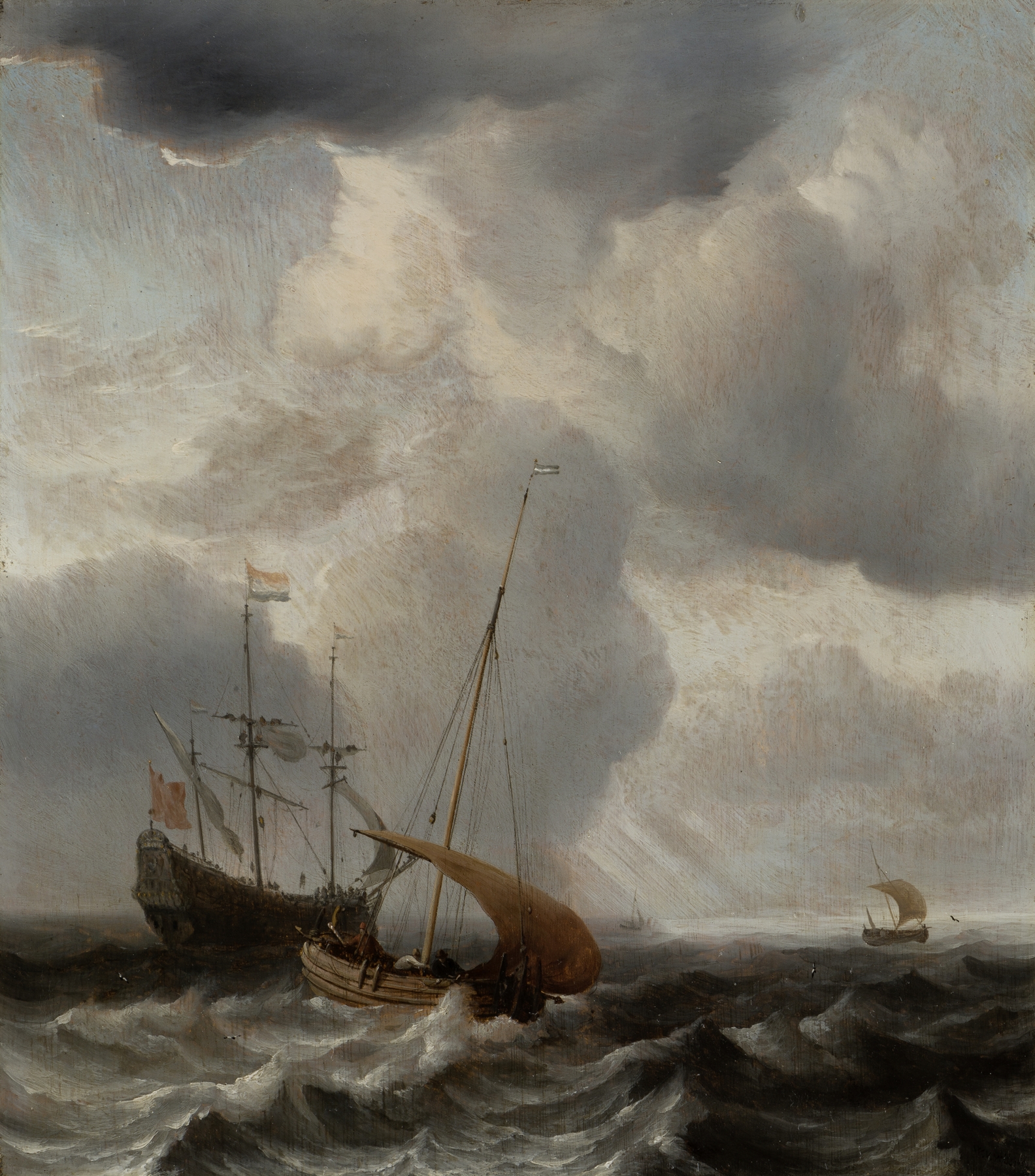
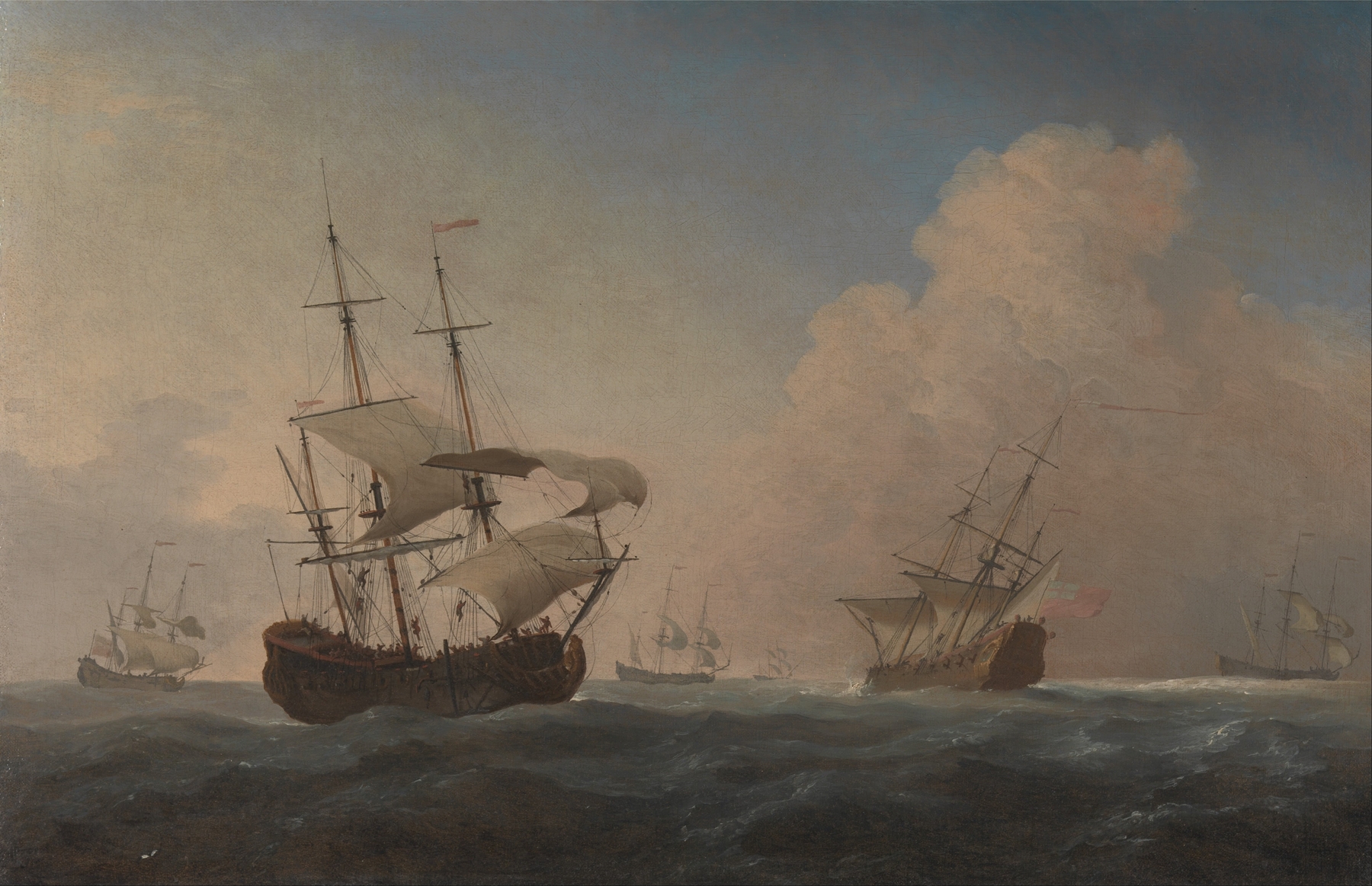
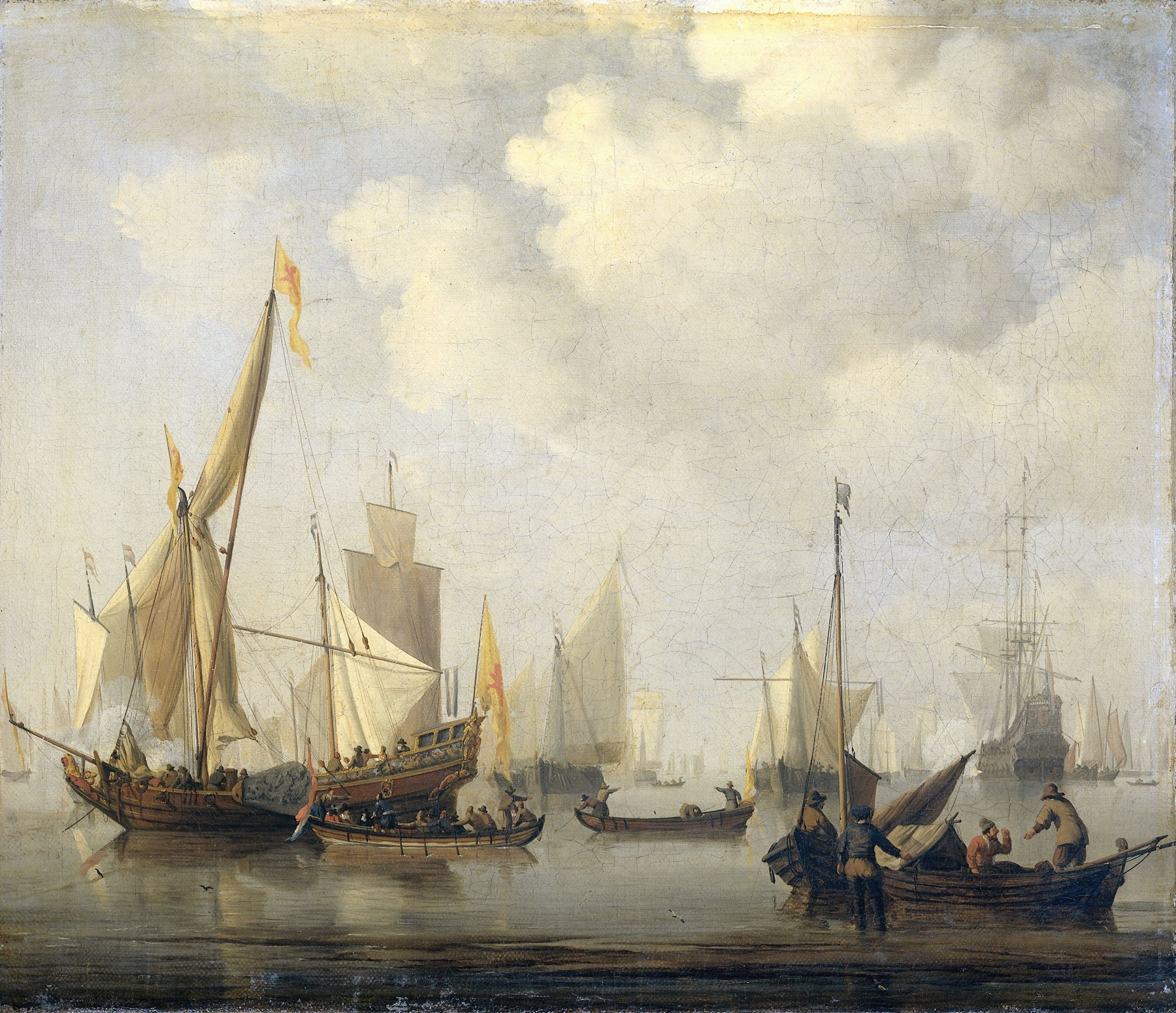
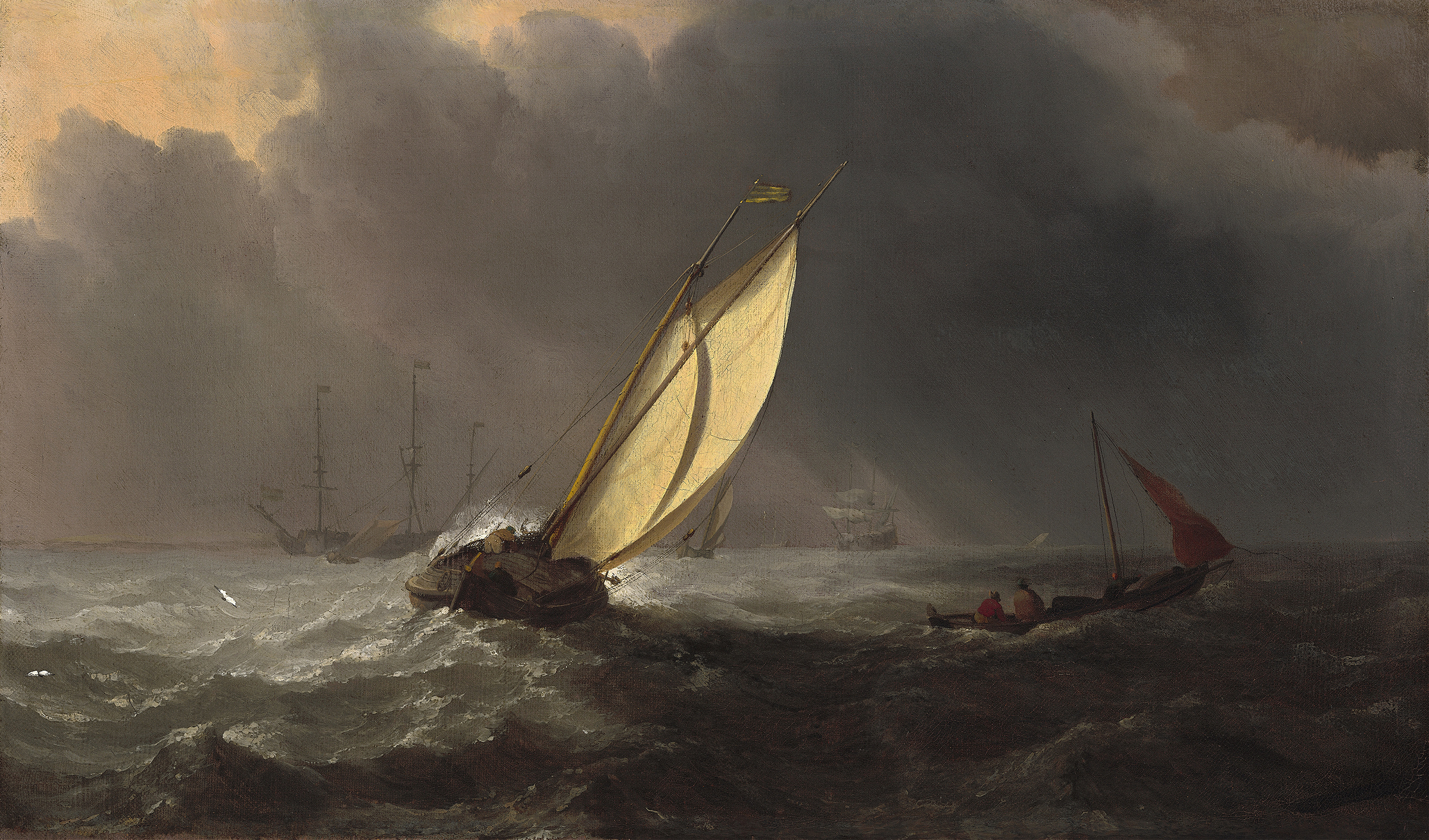
Is this a mirror — or a memory? In The Capture of the Royal Prince, the weight of grief and loss hangs in the air, encapsulated in a moment that transcends time. Here, the tumult of life meets the quietude of reflection, inviting us to ponder the fleeting nature of glory and the shadows it casts. First, let your gaze drift towards the central figure, the royal prince, ensnared amidst a tumultuous scene that unfolds across the canvas. Notice how the artist juxtaposes the chaotic water with the solemn expressions of those aboard the vessel.
The muted palette, dominated by deep blues and earthy browns, envelops the composition, evoking a palpable sense of foreboding. Light dances delicately across the waves, illuminating the figures caught between excitement and dread, each stroke brimming with the tension of the moment. As you delve deeper, consider the interplay of power and vulnerability. The prince, though regal in demeanor, is caught in a web of fate, his capture a poignant reminder of the fragility of authority. The onlookers' faces reflect a spectrum of emotions, from grim determination to sorrowful resignation.
Each detail, from the rippling water to the anxious gestures of the crew, weaves a narrative of inevitable loss, one that speaks to the heart of human experience. Willem van de Velde the Younger created this evocative scene around 1670, during a time of great political turmoil in Europe. Living in Amsterdam after fleeing the English Civil War, he experienced the changing tides of power both historically and personally, channeling those conflicts into his work. The painting captures more than just a moment in history; it reflects a broader commentary on the transience of life and the heaviness of grief that accompanies the loss of what once was.