The Glorious First of June — History & Facts
Two great flagships lock in battle at the center of the canvas, the British Queen Charlotte flying the Union flag at the left and the French Montagne at the right, with smoke drifting between them. In the foreground, British sailors in small boats haul drowning French sailors out of a heaving sea, while others cling to floating spars and wreckage. The battle of 1 June 1794 was the first major fleet action of the French Revolutionary War. The French sailed to protect a grain convoy from America, and Lord Howe's Channel Fleet went out to intercept it; the convoy reached Brest safely, but the two fleets fought far out in the Atlantic, and six French ships of the line were taken and one sunk.
The publishers V. and R. Green and Christian von Mechel commissioned Philip James de Loutherbourg to paint it for engraving, for £500, with help from James Gillray on the figures, and it went on show in London in March 1795. Howe and his Master of the Fleet reportedly disliked it, because it shows Queen Charlotte engaging the Montagne, which she never managed.
The Prince of Wales bought it, and as George IV he gave it in 1829 to the Naval Gallery at Greenwich Hospital. It is in the National Maritime Museum in Greenwich, London.
More Artworks by Philip James de Loutherbourg

The Battle of the Nile
Philip James de Loutherbourg
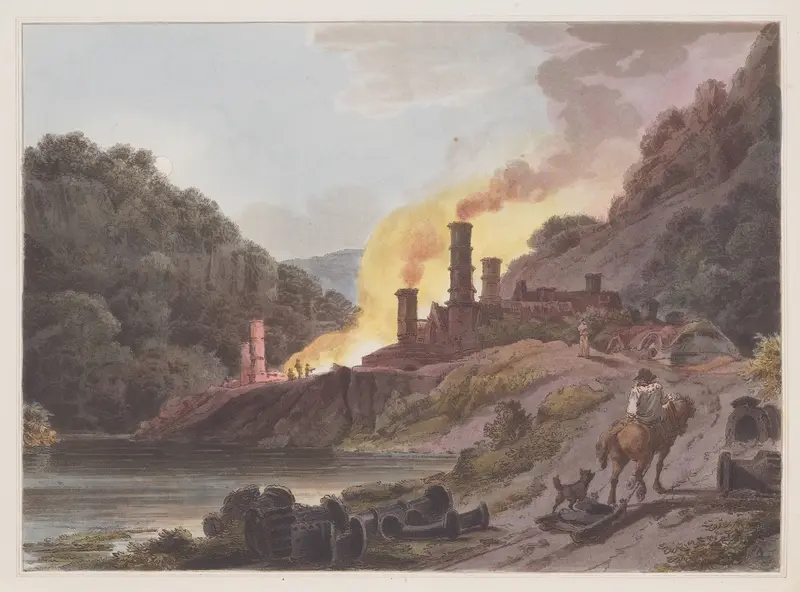
Iron Works, Colebrook Dale
Philip James de Loutherbourg
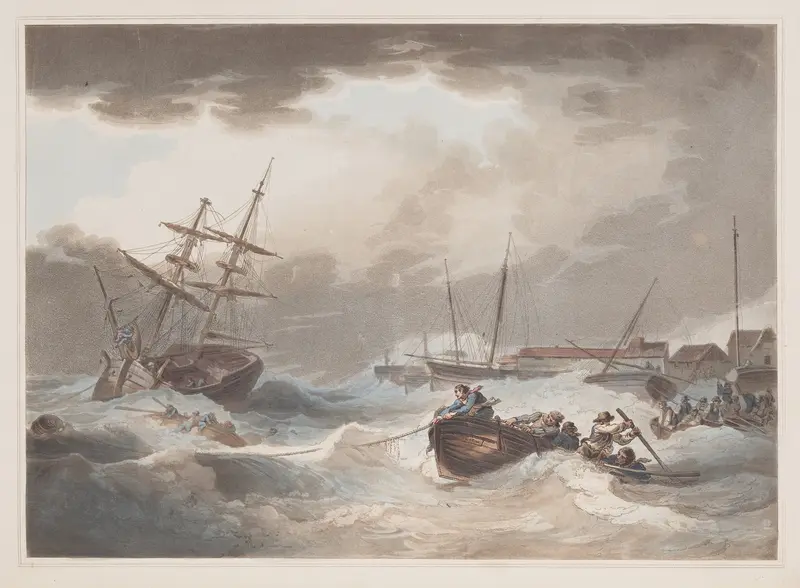
Storm off Margate
Philip James de Loutherbourg
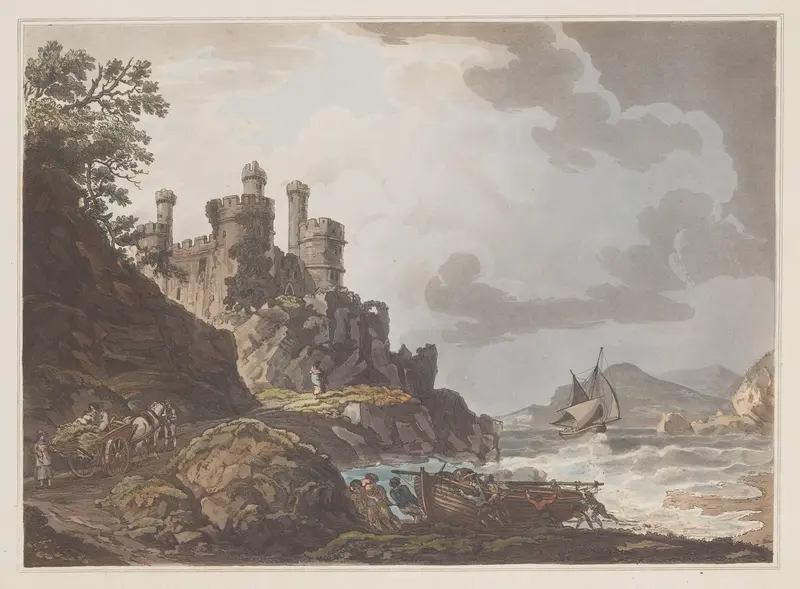
Conway Castle
Philip James de Loutherbourg
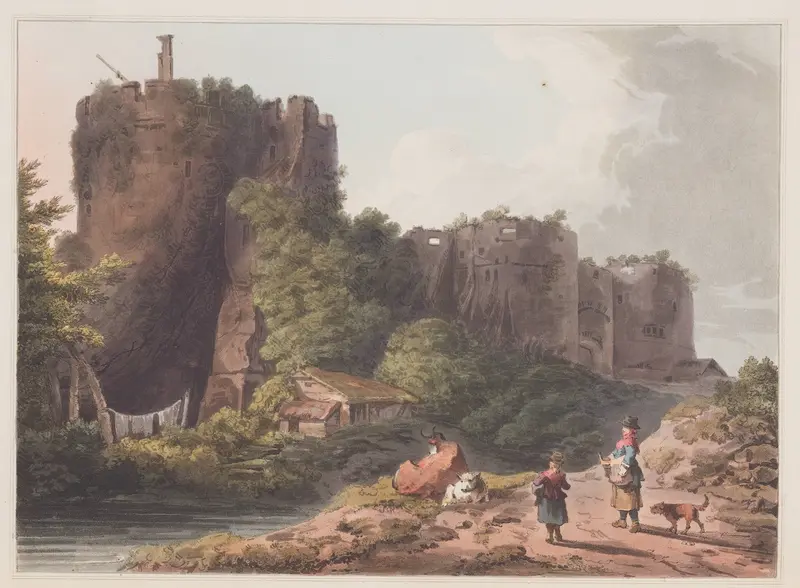
Chepstow Castle in Monmouthshire
Philip James de Loutherbourg
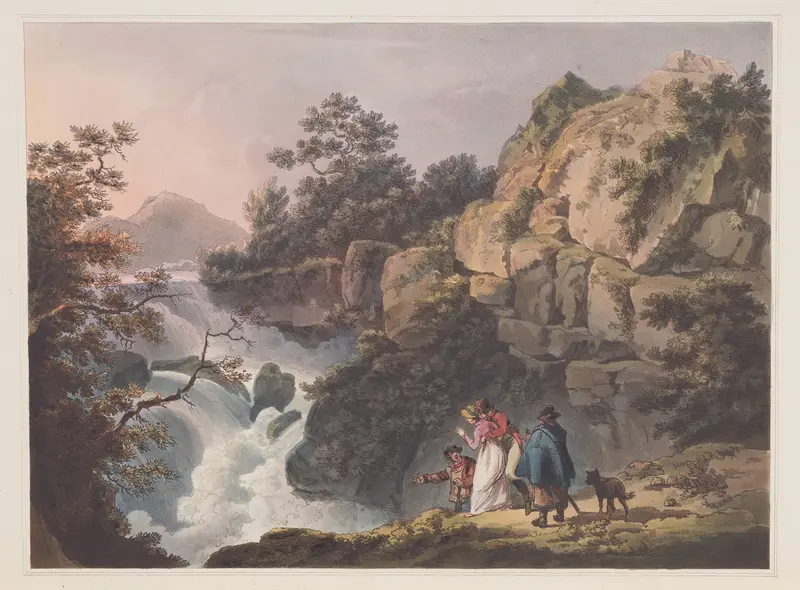
Cataract on the Llugwy
Philip James de Loutherbourg

Tintern Abbey
Philip James de Loutherbourg
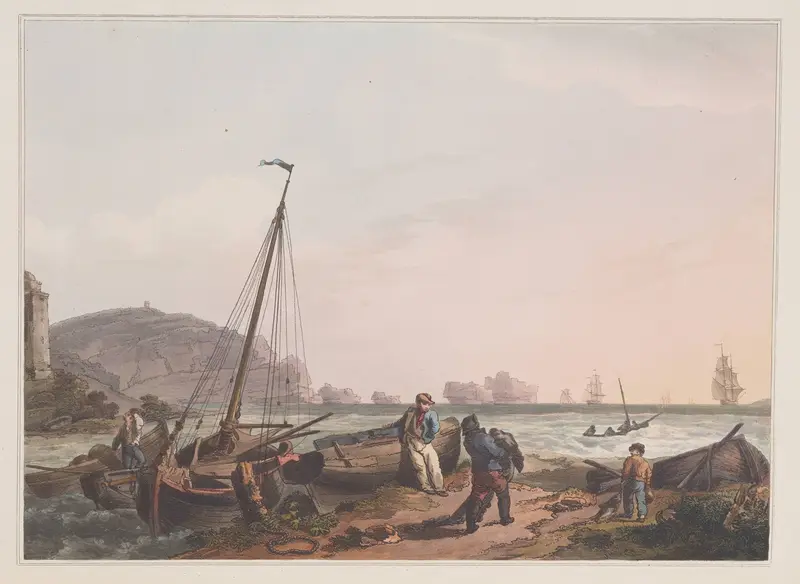
The Needles. Isle of Wight
Philip James de Loutherbourg

Peak’s Hole, Derbyshire
Philip James de Loutherbourg
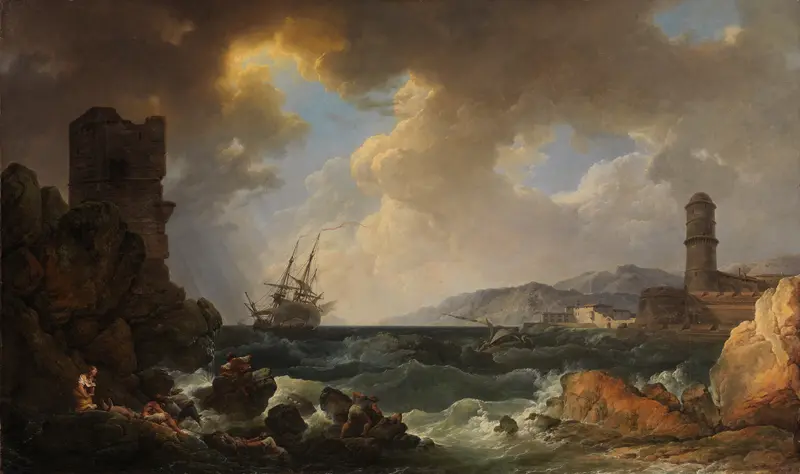
A Storm at the Entrance of a Mediterranean Port
Philip James de Loutherbourg