The Great Piece of Turf — History & Facts
A clump of meadow plants rises from dark, wet soil. Tall grasses lift their flowering spikes against the pale paper, dandelion stalks end in closed heads, and the broad, ribbed leaves of greater plantain spread low in the center, while roots and mud fill the bottom edge. Albrecht Dürer painted the study in 1503 in watercolor and bodycolor, heightened with white. To show the plants at their natural size he used the largest sheet of paper then available.
The Albertina describes the subject as the kind of turf found along any field path in late April or early May, after the dandelions have faded, but says he surely painted it in the workshop rather than outdoors, probably from plants he studied one by one and then arranged. The date 1503 is hidden in the dark ground at lower right. The Albertina counts it and the Iris in the Kunsthalle Bremen as Dürer's only securely attributed pure plant studies. It appears in a 1588 inventory of the Nuremberg collection of Willibald Imhoff as "Viel Graßwerk" (much grass), passed that year to Emperor Rudolf II, and went to Duke Albert of Saxe-Teschen in 1796.
It is in the Albertina in Vienna.
More Artworks by Albrecht Dürer

Melancholia
Albrecht Dürer

St. George and the dragon.
Albrecht Dürer
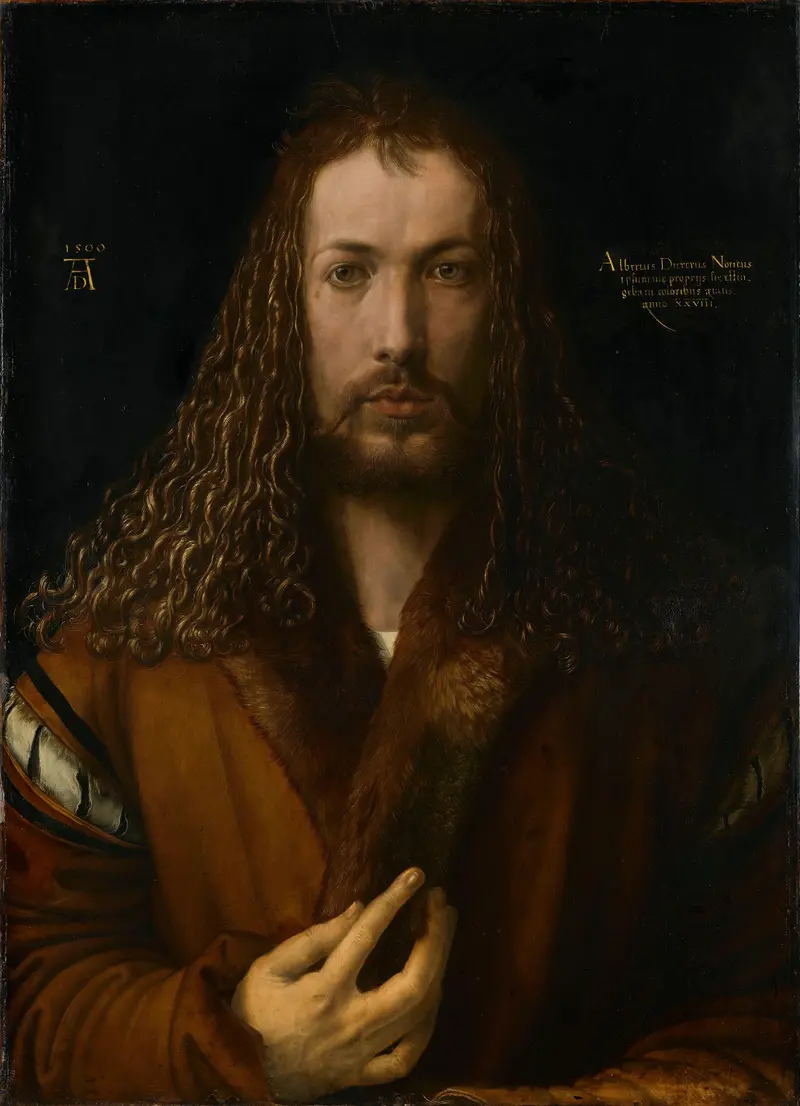
Self-Portrait with Fur-Trimmed Robe
Albrecht Dürer
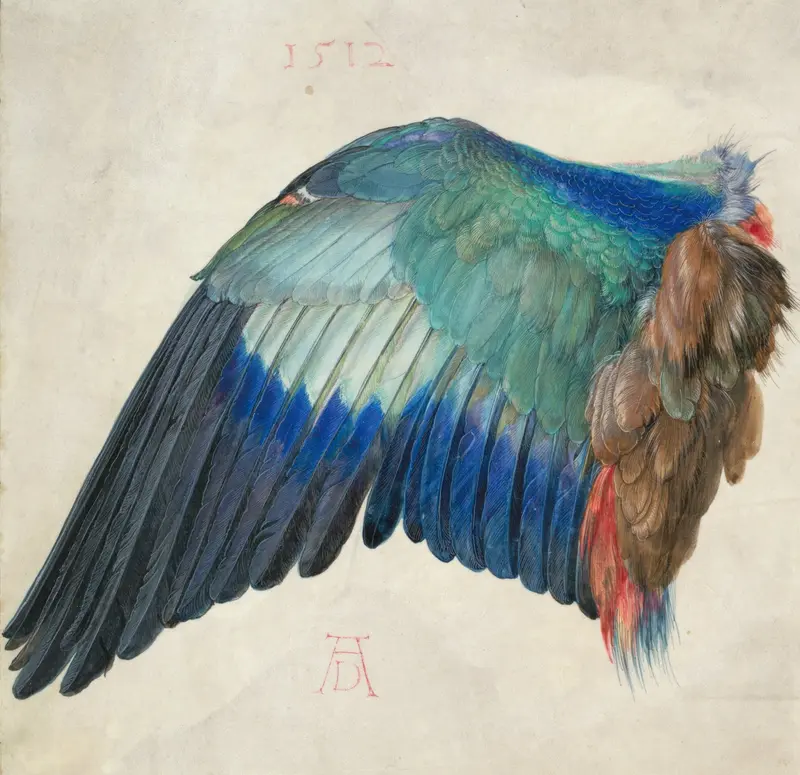
Wing of a European Roller
Albrecht Dürer
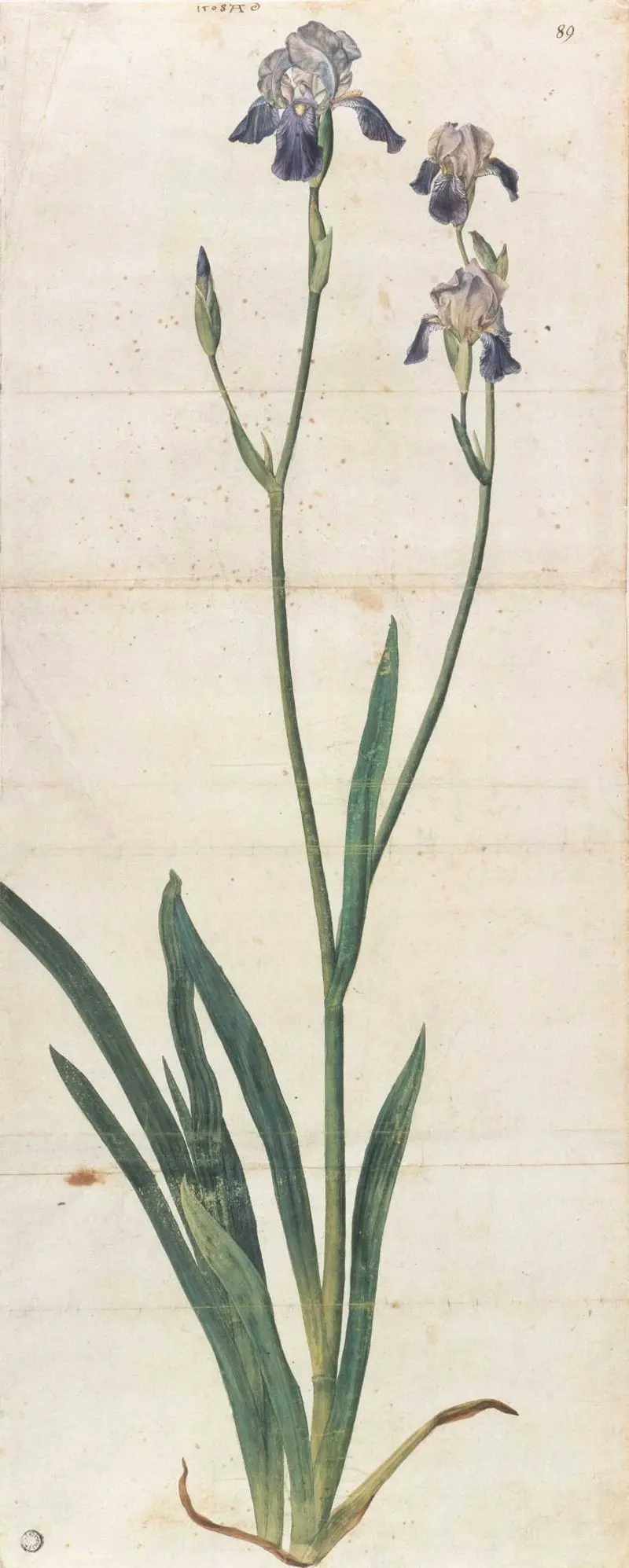
Iris
Albrecht Dürer
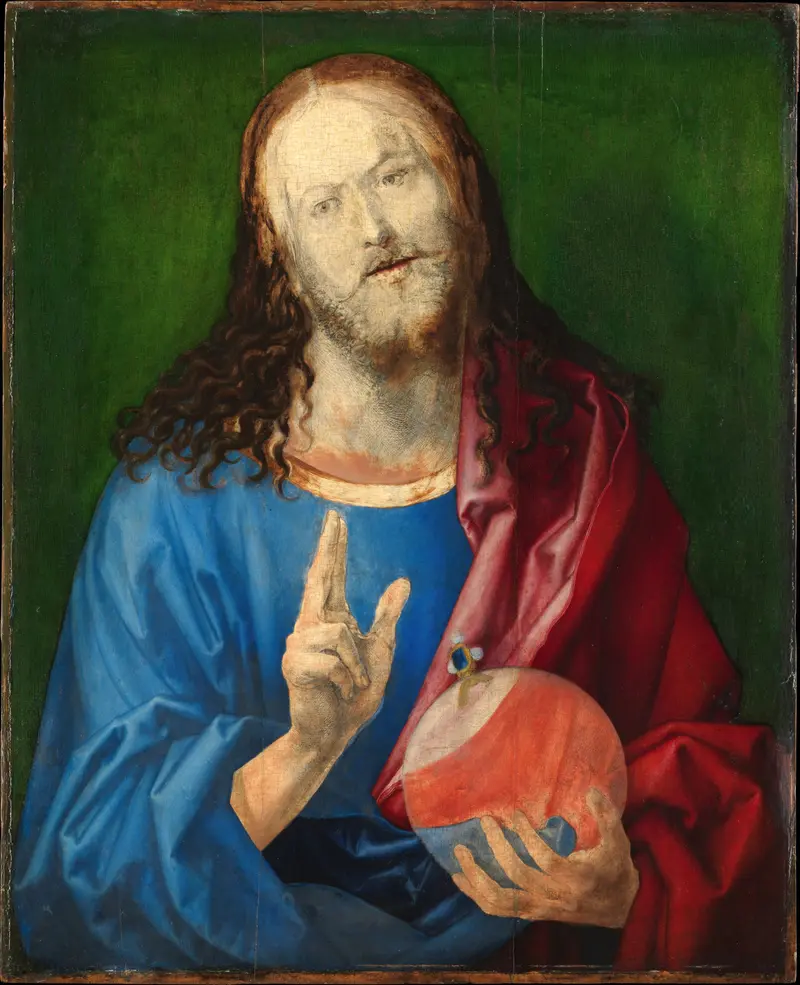
Salvator Mundi
Albrecht Dürer
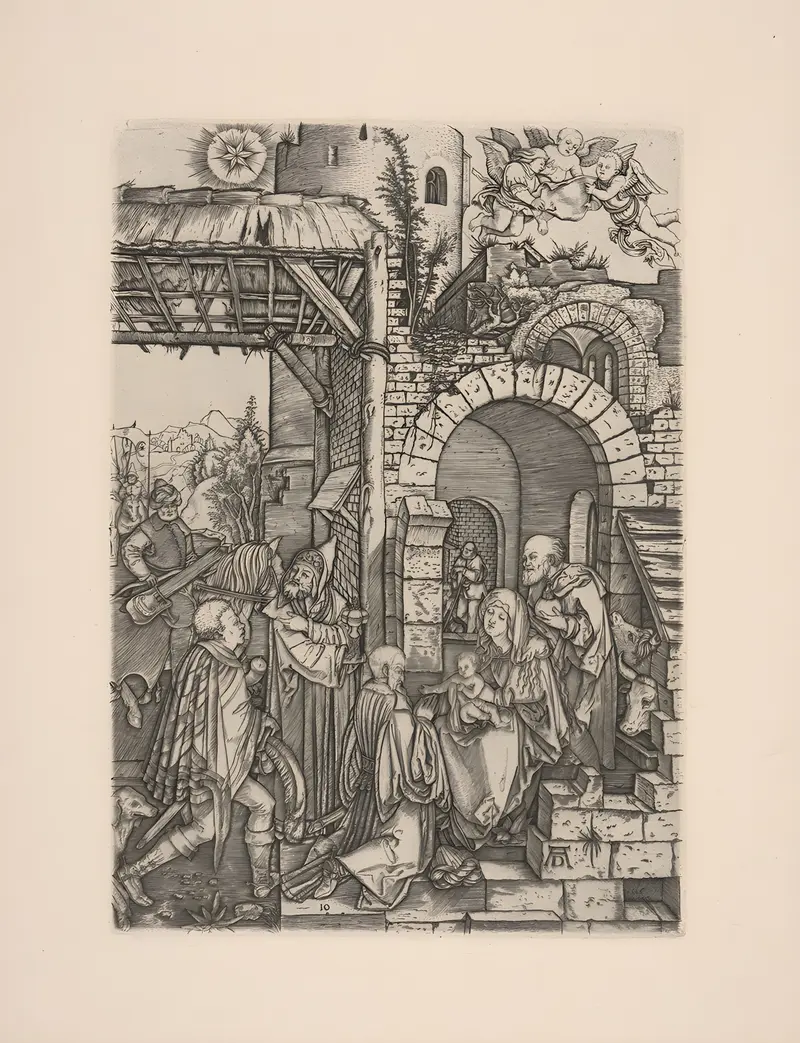
The Adoration of the Magi
Albrecht Dürer
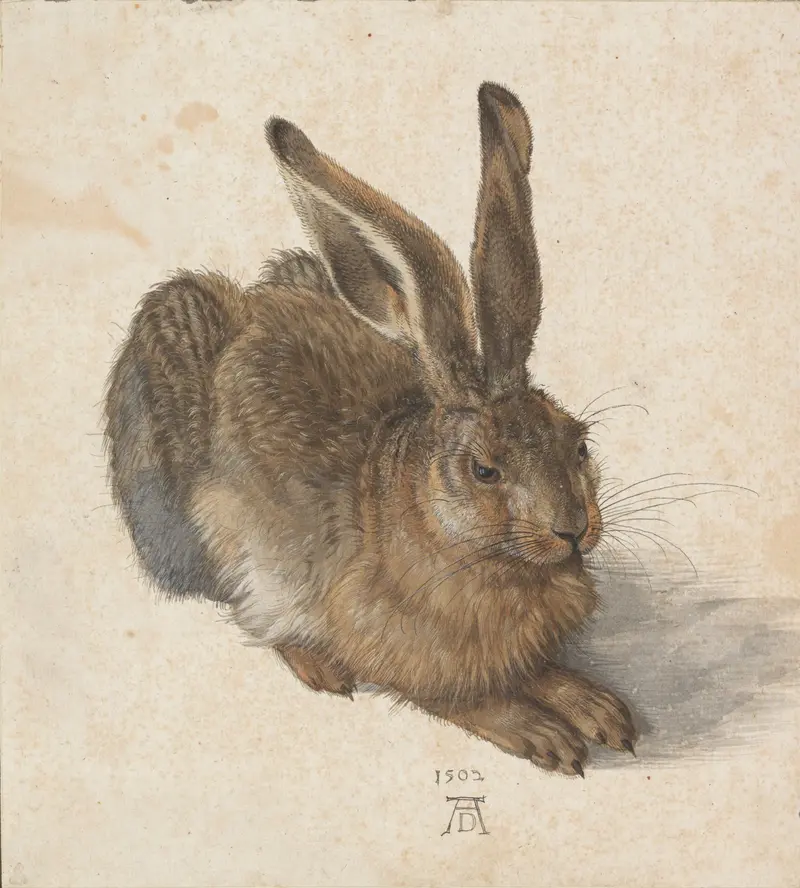
Young Hare
Albrecht Dürer
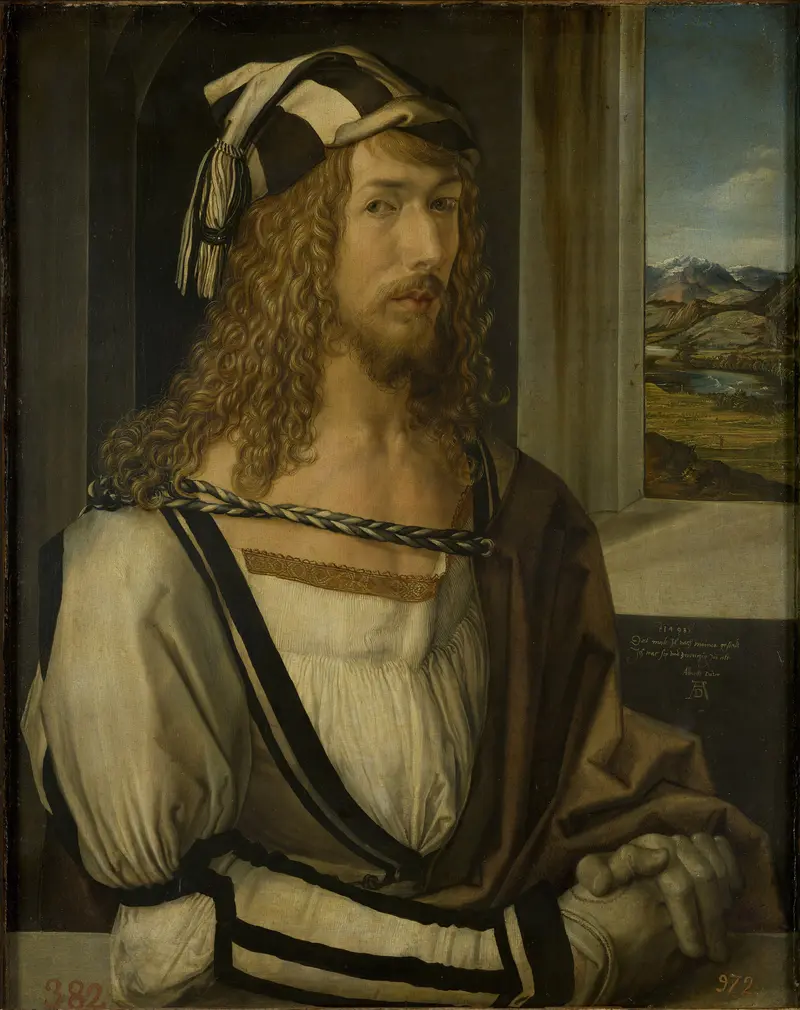
Self-portrait
Albrecht Dürer
Adam and Eve (The Fall of Man)
Albrecht Dürer